This article contains affiliate links: if you buy through them we may earn a commission, at no extra cost to you. Learn more.
Wing trip, day three. The wind fills in at eleven, you ride until two, eat half a granola bar on the beach, go back out because it’s pumping, and at sunset you realize you never had lunch and your arms feel like noodles. Wind sports make under-eating easy: you’re waiting for wind, then you’re riding, then it’s dark. This page is a practical guide to nutrition for wing foiling: what to eat day to day, how to fuel long windy days and trips, and which supplements are worth a look, with the safety rules first.
General information, not medical or dietary advice. Talk to a doctor or registered dietitian before starting a supplement, especially if you’re under 18, pregnant, have a heart, kidney or other health condition, or take medicines. Prices change often; the prices below are what we saw at the maker or a major retailer in October 2026. Back to the wing foiling hub.
What we know (and don’t) about fueling wingfoilers
There’s no nutrition research specific to wing foiling yet. What we do know about riders: in the largest wingfoil study (415 riders), the average age was 43, with riders from 9 to 78, and most injuries came in the second hour on the water and were blamed on fatigue. Running low on fuel and fluids doesn’t help with that. In the closest related research, a field study of amateur windsurfers at regattas found they ate less energy than they burned, drank too little and were low in vitamin D and calcium. So the best guide is general sports nutrition from the American College of Sports Medicine (ACSM), the Academy of Nutrition and Dietetics and Dietitians of Canada, applied to how wind days actually go.
Everyday eating for riders
- Carbohydrate for riding days. ACSM scales it to training: about 3 to 5 g per kilogram of body weight a day for light days, 5 to 7 g for about an hour a day of moderate exercise and 6 to 10 g for 1 to 3 hours a day. A windy week with long sessions is a high-fuel week: rice, pasta, potatoes, bread, oats, fruit.
- Protein for shoulders, grip and legs. ACSM suggests 1.2 to 2.0 g per kilogram a day, spread over the day, and about 15 to 25 g after a session. For a 70 kg rider that’s about 85 to 140 g a day from eggs, fish, meat, beans, yogurt, milk or tofu. Riders in their 40s and beyond, the sport’s typical age, do well to spread protein across every meal.
- Calcium and vitamin D. Dairy or fortified alternatives, leafy greens and oily fish. Sunscreen and wetsuits can still leave some riders low in vitamin D; a blood test tells you, so ask your doctor rather than guessing.
- Fluids and salt. Drink before you ride, on your break and afterward. Timing is on the Session Day page.
- Pack food. A cooler with sandwiches, fruit, rice cakes and yogurt beats the beach kiosk, or nothing, on long days.
Fueling windy days, downwinders and trips
- Before you ride: a familiar meal 1 to 4 hours before, with carbohydrate and not too much fat or fiber (ACSM): oatmeal with fruit, toast and eggs, or a rice bowl.
- Long sessions: sports nutrition consensus from ACSM and the International Olympic Committee suggests about 30 to 60 g of carbohydrate an hour for 1 to 2.5 hours of stop-and-go exercise. On a break that’s a banana and a few dates, a jam sandwich or a bottle of sports drink.
- Downwinders: you can’t come back to the beach halfway, so eat before, and carry a gel or small bar in a vest or harness pocket if you’ll be out longer than an hour.
- Waiting for wind: eat a real lunch while you wait instead of skipping it, so you’re fueled when it fills in.
- Evenings: a full dinner with carbohydrate, protein and vegetables refuels you for tomorrow. On trips, alcohol and late nights hurt the next session more than most riders admit.
- Cold-water days: warm drinks and a hot meal after the session help you warm up.
Teen riders need enough total food to grow and ride. A UEFA expert group statement on nutrition in elite football says the general use of supplements by young athletes should be restricted; food comes first, and the same logic applies on the water. The American Academy of Pediatrics says energy drinks have no place in the diets of children and teens, and recommends against creatine and other performance-enhancing substances for young athletes. More for parents on our youth wing foiling page.
Supplements: the safety rules first
- Food first. The IOC’s consensus statement on dietary supplements says only a few have good evidence for performance (caffeine and creatine among them).
- Contamination is real. In an analysis of 634 supplements from 13 countries, about 15% contained undeclared steroid precursors that could cause a positive test.
- Choose third-party tested products (NSF Certified for Sport, Informed Sport or Informed Choice). They lower the risk but don’t remove it.
- Drug testing. Wing foiling isn’t an Olympic event, and most riders will never be tested. If you race at national or international level, check your event’s anti-doping rules; you’re responsible for everything you take.
- Nothing banned or hidden. No DMAA, SARMs or prohormones, no proprietary blends that hide doses, and never more than the label says.
Supplements riders commonly use, compared
| Product | In one serving | Certification | About (Oct 2026) | Per serving |
|---|---|---|---|---|
| Nuun Sport | 300 mg sodium, 150 mg potassium, 1 g sugar | Informed Choice (maker) | $7.49 / 10 tablets (maker) | about $0.75 |
| Skratch Labs Hydration | 400 mg sodium, about 20 g carbs | NSF Certified for Sport (maker) | $23.95 / 20 servings | about $1.20 |
| Thorne Whey Protein Isolate | 21 g protein | NSF Certified for Sport | $65 / 30 scoops | about $2.17 |
| Thorne Creatine | 5 g creatine monohydrate | NSF Certified for Sport | $44 / 90 scoops | about $0.49 |
| Klean Multivitamin | 2 tablets; 1,000 IU vitamin D; no iron listed | NSF Certified for Sport | about $46 / 30 servings | about $1.53 |
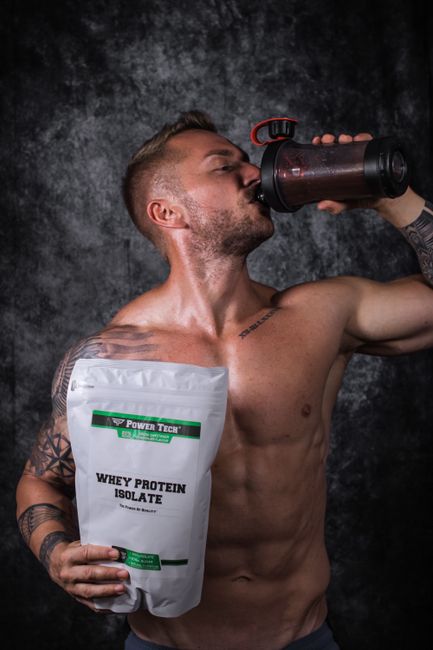
Electrolytes are the most useful extra on hot or long days: Nuun Sport is low in sugar, and Skratch Labs adds carbohydrate for long sessions. Protein powder such as Thorne Whey Protein Isolate is handy on trips where protein is hard to find. Creatine is one of the most studied supplements for strength training in the gym; some adults gain 1 to 2 kg, mostly water, and the AAP recommends against it for under-18s. A multivitamin such as Klean Multivitamin is a safety net, not a performance aid. Caffeine is well studied too, but it can cause jitters, a racing heart and poor sleep; anyone with a heart condition, who is pregnant or sensitive should check with a doctor first, and kids and teens should skip energy drinks. Compare more in our best electrolyte powders, best protein powder, best creatine and best multivitamins guides.
Nuun Sport Electrolyte Tablets
- 300 mg sodium per tablet
- 1 g sugar
- Informed Choice (maker)
Skratch Labs Hydration Mix
- 400 mg sodium per serving
- About 20 g carbs
- About $1.20 per serving
Thorne Whey Protein Isolate
- 21 g protein per scoop
- NSF Certified for Sport
- About $2.17 per serving
Thorne Creatine
- 5 g creatine monohydrate
- NSF Certified for Sport
- About $0.49 per serving
After-session meals are on the wing foiling recovery page and training ideas on wing foiling training; for a team-sport comparison see soccer nutrition. A registered dietitian, ideally a board-certified specialist in sports dietetics (CSSD), can build a plan around your riding.
Wing foiling nutrition: FAQs
What should I eat before wing foiling?
A familiar meal with carbohydrate 1 to 4 hours before, low in fat and fiber (ACSM), such as oatmeal with fruit, toast and eggs or a rice bowl. Bring a snack and a drink for your break.
Do wingfoilers need supplements?
Most don’t. Food covers the basics; electrolytes on hot, long days are the most useful extra. If you choose any supplement, pick a third-party tested one and check with a doctor or dietitian.
What should I eat on a long wing day?
A real breakfast, a snack and a drink on every break (about 30 to 60 g of carbohydrate an hour on long stop-and-go days), a proper lunch while you wait for wind, and a full dinner. A cooler beats skipping meals.
Is creatine OK for teenage riders?
The American Academy of Pediatrics recommends against performance-enhancing supplements such as creatine for young athletes. Food, sleep and good training come first.
Are wing foiling racers drug tested?
Wing foiling isn’t an Olympic sport, so most recreational riders are never tested. Racers at national or international level should check their event’s anti-doping rules and stick to third-party tested products.