This article contains affiliate links: if you buy through them we may earn a commission, at no extra cost to you. Learn more.
A BMX race day is mostly waiting. You sign up, ride practice by class, check the moto sheet, and then sit in the pits in the sun for an hour before 40 seconds of all-out racing. Then you do it again. And again. At a national, a family might be at the track from morning to night, and some riders race two classes, a 20-inch and a cruiser. At the USA BMX Grand Nationals, held November 25 to 29, 2026 in Tulsa, Oklahoma, riders race on a custom-built indoor track over five days. This page is about doing all of that well: how motos work, what to eat and drink across a long day, staying safe in the heat, and how freestyle riders can handle a long session day.
General information, not medical or nutrition advice. Riders with a health condition, and parents of young riders, should check with a doctor or registered dietitian. Back to the BMX hub.
How a race day works: practice, motos and mains
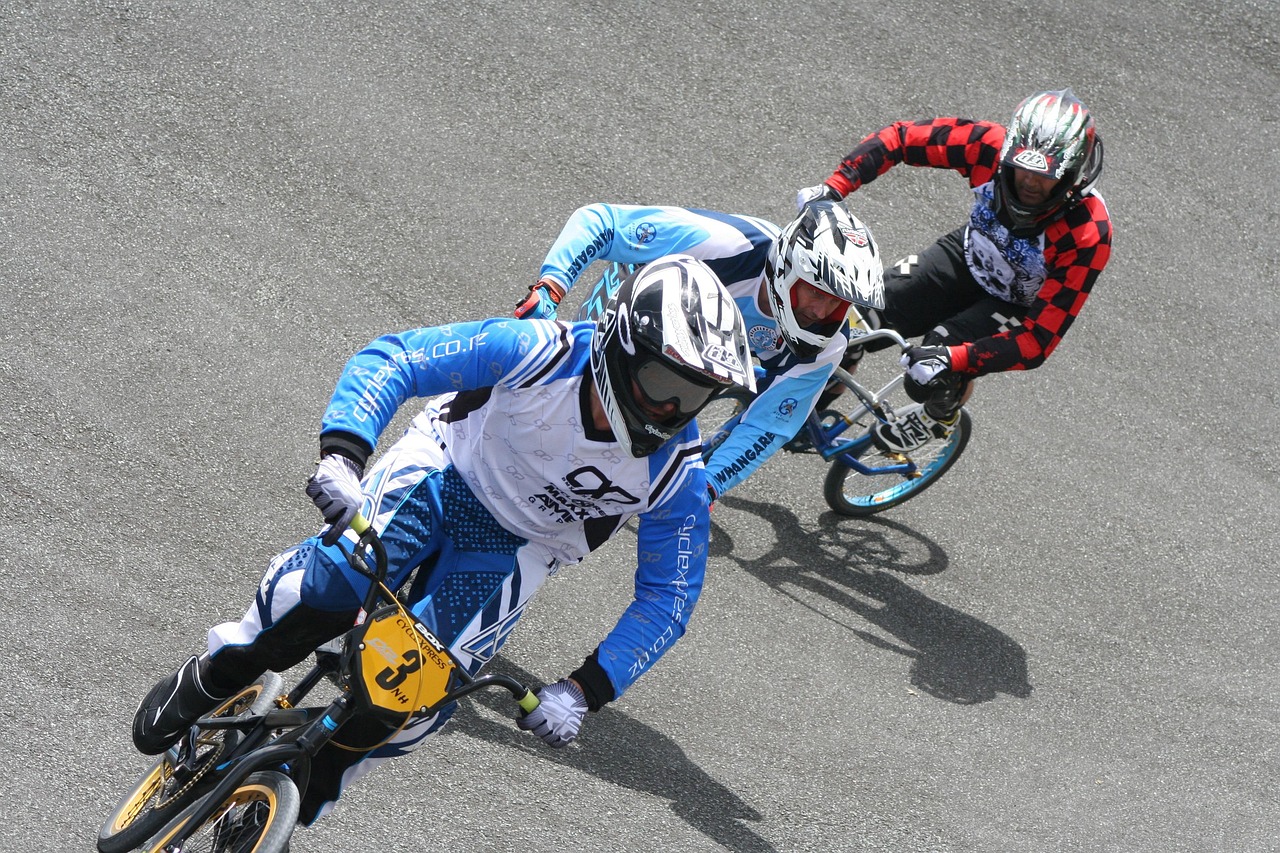
In USA BMX racing, up to eight riders share a gate. Riders are grouped by age and skill (Novice, Intermediate, Expert, girls’ classes and cruiser classes from 7 and under to 66 and over) and race a set of qualifying heats called motos. Tracks choose a 2-moto transfer, a 3-moto transfer or a total-points system: in a transfer system, a good enough finish in a moto qualifies you for the main (or a semi or quarter), and once you’ve qualified you don’t race again until then; in total points, you race every round and your places add up. At nationals, USA BMX limits qualifying to two rounds. Check the moto sheet early: it’s your job to know your moto number and gate.
At UCI World Cups and championships, riders go through motos in heats of up to eight, then knockout rounds (eighth-finals, quarters, semis) to an eight-rider final. That can mean six or seven all-out laps in a day, which is why the aerobic system matters even in a 40-second sport: in one study, riders reached over 80% of their maximum oxygen uptake on every lap of a six-lap simulation. More on that on our BMX training page.
Fueling a long day of short races
The fuel for one race is already in your muscles; the problem is the day around it. The joint position statement of the American College of Sports Medicine (ACSM), the Academy of Nutrition and Dietetics and Dietitians of Canada suggests a carbohydrate-based meal 1 to 4 hours before competing (1 to 4 grams of carbohydrate per kg of body weight) and avoiding foods high in fat, protein or fiber right before if they upset your stomach. During events under about 45 minutes, extra carbohydrate isn’t needed, so you don’t need a gel before every moto. But a race day can last 6 to 10 hours, so keep eating like it’s a normal day spread out:
- Breakfast 2 to 4 hours before practice: oatmeal, toast, bagel, fruit, yogurt.
- Between motos: small, easy snacks every hour or so: bananas, pretzels, a sandwich, rice cakes, fig bars.
- Before the mains: something light you know sits well; nothing new on race day.
- Pack a cooler so you’re not stuck with whatever the snack bar has.
Caffeine and energy drinks: some adult riders use caffeine before racing; it isn’t for everyone (sensitivity, heart conditions, pregnancy), so check with a doctor. The AAP says energy drinks have no place in the diets of children and adolescents. More in our BMX nutrition and supplements page.
Hydration
ACSM suggests drinking about 5 to 10 mL of fluid per kg of body weight 2 to 4 hours before exercise, and aiming to lose no more than about 2% of body weight to sweat. The National Athletic Trainers’ Association (NATA) says drinking to thirst is reasonable when you don’t know your sweat rate, and warns against drinking so much that you gain weight, which can dilute blood sodium. On a hot day in long sleeves, long pants and a full-face helmet, you’ll sweat even while waiting. Keep a bottle in the pits and sip through the day; on very sweaty days, a drink mix with sodium such as Skratch Labs Hydration or Nuun Sport tablets can help. Pale yellow urine is a good sign. Our electrolyte powder guide compares the options.
Skratch Labs Hydration Sport Drink Mix
- 400 mg sodium per serving
- 80 calories, 19 g carbs
- 20 servings, about $24
Nuun Sport Electrolyte Tablets
- 300 mg sodium per tablet
- 1 g sugar
- Informed Choice (per maker)
Nalgene Sustain 32 oz Bottle
- 32 oz, wide mouth
- BPA-free Tritan
- Made with 50% plastic-waste material
Electrolyte products: follow the label, and check with a doctor or dietitian if you have high blood pressure, kidney or heart problems, or follow a low-sodium diet.
Heat, sun and storms
Summer nationals and Saturday-afternoon local races mean heat on top of protective gear. NATA’s position statement on exertional heat illness says athletes adapt to heat over about 7 to 14 days, so the first hot weekend of the year is the riskiest. Simple habits:
- Shade between motos: a canopy in the pits, jersey unzipped or off, helmet off while you wait.
- Cool down actively: cold towels on the neck, a cooler with ice water.
- Sunscreen: the American Academy of Dermatology recommends broad-spectrum, water-resistant SPF 30 or higher, reapplied every two hours and after sweating.
- Know the warning signs: confusion, collapse or odd behavior in a hot rider can be exertional heat stroke, a medical emergency. NATA says cool first (cold-water immersion is most effective), transport second, and call 911.
- Lightning: NATA’s rule is “When thunder roars, go indoors.” No place outside is safe; wait 30 minutes after the last thunder.
Between motos
Ride an easy lap or spin to stay loose, then rest in the shade; get back to staging early so you’re not sprinting to the gate. After a crash, check yourself honestly: a rider with any concussion sign (dazed, headache, dizziness, confusion) is done for the day, under both the CDC’s HEADS UP guidance and USA BMX’s concussion policy. Don’t race through a sore wrist or shoulder to make the main; our BMX injuries page explains when to get it checked. Parents: USA BMX lets parents of 6- to 8-year-olds walk them through staging, but parents can’t be at or on the gate.
Session day for freestyle and park riders
Freestyle contests are judged runs of about 60 seconds, but most riding happens in long park sessions of short, intense attempts. The same basics apply: eat before, bring snacks and water, take shade breaks, and quit while you’re still sharp. Tired legs and arms are when landings go wrong. Long hot sessions in a concrete park can be as draining as a race day.
Race-day checklist
- Helmet, gloves, long sleeves and pants (or pads), enclosed shoes, number plate.
- Bike check: tires, brakes, grips and bar plugs, pedals, tools and a spare tube.
- Water bottle, electrolyte mix, cooler with real food.
- Canopy or umbrella, chairs, sunscreen, towel.
- Small first-aid kit (USA BMX strongly recommends every track have one; carry your own anyway).
- Dry clothes and a recovery snack for the drive home (BMX recovery).
For a team-sport comparison of heat and fueling plans, see soccer game day, and for long endurance days on the bike, cycling race day.
BMX race day: FAQs
How many motos are in a BMX race?
Usually two or three qualifying motos, then a main (and semis or quarters in big classes). USA BMX tracks choose a 2-moto transfer, 3-moto transfer or total-points system; nationals limit qualifying to two rounds.
What should a BMX rider eat on race day?
A carbohydrate-based breakfast 2 to 4 hours before practice, then small, familiar snacks through the day: fruit, sandwiches, pretzels. You don’t need sports gels before each 40-second moto; you need to avoid getting hungry over a long day.
Do BMX riders need electrolytes?
Water is enough for many riders on mild days. On long, hot days in full gear, a drink with sodium can help replace sweat losses. Follow the label, and check with a doctor if you have a heart, kidney or blood pressure condition.
How do I stay cool at a summer BMX race?
Shade in the pits, helmet off and jersey open between motos, cold towels, steady drinking and sunscreen. Know the signs of heat illness: confusion or collapse means cool the rider immediately and call 911.
Can a rider race again after a crash in a moto?
Only if they’re truly okay. Any sign of a concussion means no more racing that day and a health care provider’s clearance before the next race. A painful wrist, shoulder or collarbone should be checked, not raced on.