This article contains affiliate links: if you buy through them we may earn a commission, at no extra cost to you. Learn more.
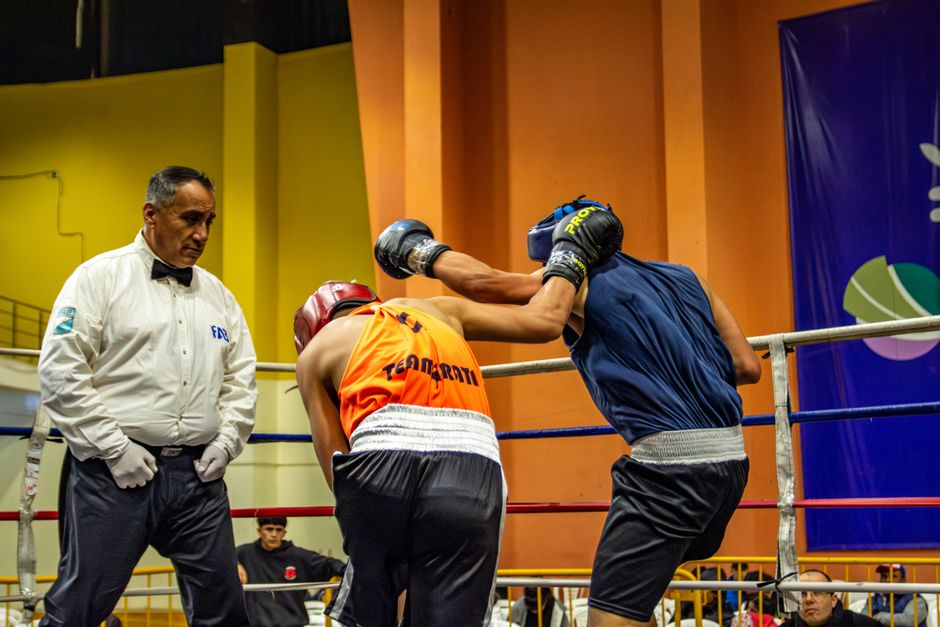
The bell rings to end round three of a regional tournament final. Both boxers walk to their corners, gloves on hips, and look at the ringside table where five judges are adding up their cards. A few weeks later, on TV, a pro title fight goes the full twelve and the announcer reads out three scorecards, and they don’t all agree. Same sport, different rulebooks. These are the boxing rules that matter, side by side: amateur vs pro boxing scoring, rounds, weight classes, headgear, gloves and the safety rules behind them.
For an overview of the sport at every level, start at our boxing hub.
Amateur vs pro boxing at a glance
“Amateur” here means Olympic-style boxing, run internationally by World Boxing and in the US by USA Boxing. Pro boxing is run by state athletic commissions, most of which follow the model rules of the Association of Boxing Commissions (ABC); each state’s own rules can differ.
| Olympic-style (amateur) | Professional | |
|---|---|---|
| Rounds | 3 rounds; 3 minutes for adults and ages 17-18, shorter for kids; 1-minute rest | Men: 3-minute rounds, up to 12. Women: 2-minute rounds, up to 10 (ABC model rules) |
| Judges | 5 at World Boxing and USA Boxing national events (3 or 5 at local events) | 3 |
| Scoring | 10-point must; every round has a winner; no drawn bouts | 10-point must; a knockdown usually makes a round 10-8 |
| Headgear | World Boxing: women and under-19s yes, elite men no. USA Boxing events: all divisions | No |
| Gloves | 10 or 12 oz by weight (16 oz allowed in USA Boxing; Masters always 16 oz) | 8 or 10 oz by weight class |
| Age | From 8 (USA Boxing); elite 19-40; Masters 41+ | 18 and older |
| After a knockout | At least 30 days with no boxing or sparring (USA Boxing) | At least 60 days’ medical suspension (ABC model rules) |
How boxing is scored
Both amateur and pro boxing use the 10-point must system: each judge gives the winner of a round 10 points and the loser 9 or fewer. Totals at the end decide the bout if nobody is stopped.
Amateur scoring criteria
World Boxing and USA Boxing judges apply three criteria, in order:
- Number of scoring blows. A blow counts only if it lands cleanly on the target with the knuckle part of the glove, with body or shoulder weight behind it, without breaking a rule, and the judge sees it clearly.
- Technical and tactical superiority: controlling the round, effective aggression (walking forward alone doesn’t count), dictating the pace, ring control, and defense such as slipping, blocking and footwork.
- Competitiveness: continuous initiative and a clear intention to win.
A 10-9 is a close round, 10-8 a clear winner, 10-7 total dominance. A knockdown or standing eight count doesn’t automatically mean 10-8 in amateur boxing; the judge weighs the whole round. The target is the front and sides of the head and the torso above the belt; the back of the head, neck, spine and anything below the belt are off limits. In USA Boxing, tied bouts aren’t allowed: if the totals are level, judges nominate a winner.
Pro scoring
Three commission-approved judges score each round on the 10-point must system. The ABC’s guidelines give a round with one knockdown to the boxer who scored it 10-8, when the referee calls it a knockdown. If the fight goes the distance, the three cards decide it, and they can come out level.
How a bout ends early
- Knockout (KO): a boxer goes down and doesn’t get back up to continue before the referee counts to ten.
- Referee stops contest (RSC): a boxer is outclassed, taking too many hard blows, or can’t go on after a knockdown; also when the ringside physician advises it. In pro boxing, a fight stopped because of a cut from a legal punch is a technical knockout (TKO).
- Injury (RSC-I): a boxer can’t continue because of an injury.
- Abandon (ABD): the boxer retires or the coach throws in the towel.
- Disqualification (DQ): for a foul or misconduct; in USA Boxing, a third warning in one bout disqualifies a boxer automatically.
Knockdowns and eight counts. A boxer is “down” if anything but the feet touches the floor, they hang helpless on the ropes, or they’re out through the ropes from a punch. In Olympic-style boxing the referee must count at least to eight before the bout goes on, even if the boxer is ready, and may give a standing eight count to a boxer who is hurt but still up. There’s a limit: three eight counts in one round or four in one bout, and the bout is stopped.
Round length by age (USA Boxing)
| Division | Ages | Bout at national events |
|---|---|---|
| Pee Wee | 8-10 | 3 × 1.5 minutes |
| Bantam | 11-12 | 3 × 1.5 minutes |
| Intermediate | 13-14 | 3 × 2 minutes |
| Junior | 15-16 | 3 × 2 minutes |
| Youth | 17-18 | 3 × 3 minutes |
| Elite | 19-40 | 3 × 3 minutes |
| Masters | 41 and up (35-40 may choose) | 3 rounds of 1-2 minutes |
Age is counted by birth year, and when boxers of different ages meet, the rules of the younger division apply. Local shows can use shorter rounds. Internationally, World Boxing uses 3-minute rounds for Elite and U19 and 2-minute rounds for U17.
Weight classes
Boxers are matched by weight, and every system has its own ladder:
- USA Boxing elite and youth men (10): 110, 121, 132, 143, 154, 165, 176, 187, 198 and 198+ lb (50 to 90+ kg).
- USA Boxing elite and youth women (10): 106, 112, 119, 125, 132, 143, 154, 165, 176 and 176+ lb (48 to 80+ kg).
- Kids (Prep and Junior): classes start as light as 50 lb for Pee Wees and go up in 5-lb steps before reaching the named classes from 101 lb.
- LA28 Olympics (7 + 7): men 55, 60, 65, 70, 80, 90 and over 90 kg; women 51, 54, 57, 60, 65, 70 and 75 kg.
- Pros (17, ABC): mini flyweight 105 lb, light flyweight 108, flyweight 112, super flyweight 115, bantamweight 118, super bantamweight 122, featherweight 126, super featherweight 130, lightweight 135, super lightweight 140, welterweight 147, super welterweight 154, middleweight 160, super middleweight 168, light heavyweight 175, cruiserweight 200 and heavyweight over 200 lb.
Amateurs weigh in on every day they box during a tournament, which limits how much weight anyone can cut and regain. Under the ABC guidelines, pros weigh in within 24 hours of the event. Either way, fast weight cuts carry real health risks; our boxing nutrition page covers making weight sensibly.
Headgear rules
- World Boxing (Olympics and international events): U17, U19 and elite women must wear a red or blue headguard; elite men must not wear one. Elite men stopped wearing it in international competition in 2013, and at the Olympics from 2016.
- USA Boxing: headgear is required for all divisions at local, regional and national competitions, with or without cheek protectors, and it must be on USA Boxing’s certified equipment list. Long hair goes under a cap or net.
- Masters (41+): 16 oz gloves and Masters-approved headgear for everyone.
- Pros: no headgear in fights.
Why would anyone remove headgear? A study by ringside physicians found fewer bouts stopped for head blows after elite men stopped wearing it, but more cuts, and the debate continues; lab tests show approved headgear reduces the head’s acceleration from a gloved punch. For sparring in the gym, coaches generally keep it on. If you’re buying your own, a model with a USA Boxing approval label, such as the Title Classic USA Boxing Competition Headgear, works for both; check the current certified list before a tournament, because organizers can also provide headgear.
Gloves, hand wraps and the rest of the kit
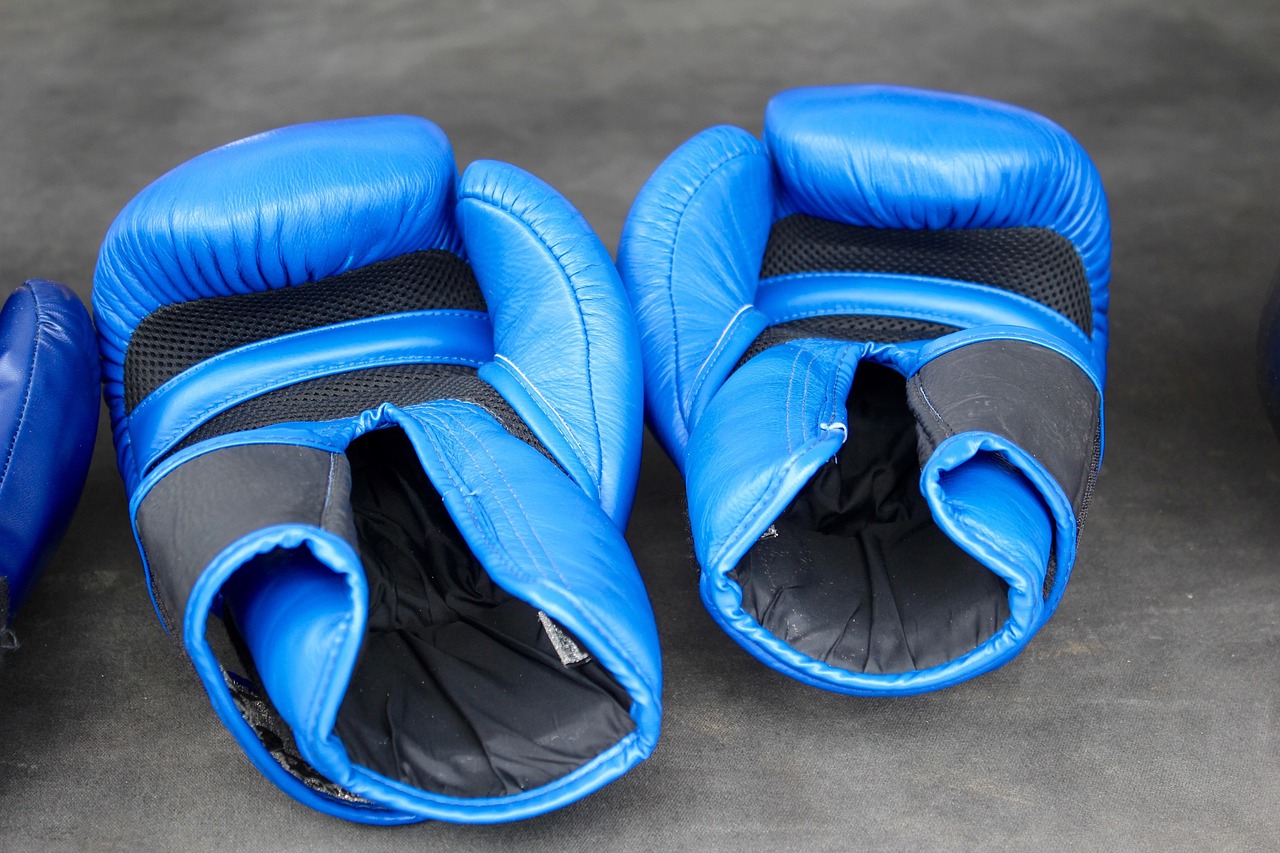
- Gloves: in USA Boxing the organizer supplies approved gloves; boxers 143 lb or less may wear 10 oz and heavier boxers 12 or 16 oz. World Boxing uses 10 oz for all women and lighter men (up to 65 kg) and 12 oz for heavier men. Pros wear 8 oz in the lighter classes and 10 oz at the top under the ABC guidelines.
- Hand wraps: USA Boxing allows stretchy cotton wraps 8 to 15 feet long and no more than 2¼ inches wide, or gauze and tape within set limits, with no tape over the knuckles. Pros under the ABC guidelines may use up to 20 yards of soft gauze and 8 feet of tape per hand.
- Mouthpiece, cup and shoes: a mouthpiece is mandatory (boxers with braces need a signed release in USA Boxing), men wear a cup protector, and shoes must be light with no spikes or heels.
For training, many adults use 16 oz gloves for sparring; Title Boxing’s size chart suggests 16-18 oz for boxers over 150 lb. A budget pick like the Title Classic Pro Style Training Gloves 3.0 comes from 8 to 16 oz. All the details are on our boxing gear page.
Title Classic USA Boxing Competition Headgear
- 4-layer foam padding
- Lace-adjustable top and back
- About $100
Title Classic Pro Style Training Gloves 3.0
- Synthetic leather, hook-and-loop
- Multi-layer foam
- 8 to 16 oz
Shock Doctor Gel Max Mouthguard
- Boil-and-bite gel liner
- Youth and adult sizes
- About $12
Safety rules: physicals, knockouts and sparring
USA Boxing requires an annual sports physical and a ringside physician’s exam before and after each bout. After a knockout or a stoppage for hard head blows, a boxer can’t box or spar for at least 30 days; two within 90 days means at least 90 days out, and three in 12 months at least a year. A loss of consciousness raises the minimum to 90 days (under a minute) or 180 days (over a minute). The same restrictions apply to knockouts in training, and a physician’s written clearance is required to return. USA Boxing also defines sparring as training under a registered coach, at a training facility, never as entertainment; exhibition bouts aren’t allowed.
For pros, federal law requires a physical exam before every fight, a physician at ringside, an ambulance or medical personnel on site, and health insurance for each boxer. Concussion signs and when to see a doctor are on our boxing injuries page, and who writes all these rules is on boxing leagues and associations.
Boxing rules questions
What is the 10-point must system?
Each judge must give the winner of every round 10 points and the loser 9 or fewer (down to 7 in amateur boxing). The judges’ totals decide the bout if it goes the distance. Amateur bouts use five judges at national and international events; pro fights use three.
What’s the difference between amateur and pro boxing?
Amateur (Olympic-style) bouts are three short rounds scored mainly on the number of clean punches, usually with headgear and 10-12 oz gloves. Pro fights run up to 12 rounds, without headgear, in 8-10 oz gloves, and are licensed by state athletic commissions.
Why don’t Olympic men wear headgear?
The international federation removed it for elite men in 2013 after ringside data suggested fewer stoppages for head blows without it, though cuts increased. Women and boxers under 19 still wear it under World Boxing rules, and USA Boxing requires it at its events.
How many weight classes are there in boxing?
Seventeen in pro boxing, ten each for elite men and women in USA Boxing, and seven each for men and women at the LA28 Olympics.
Can a boxing match end in a draw?
Not in Olympic-style boxing: every round needs a winner, and if the totals are level the judges nominate one. Pro fights can: the three judges’ cards can come out level, and the ABC guidelines also describe a technical draw when both boxers stay down for the count of ten.