This article contains affiliate links: if you buy through them we may earn a commission, at no extra cost to you. Learn more.
The gym bag tells you how long someone has been boxing. Week one: a pair of bright gloves still in the plastic. Year one: two pairs (one for the bag, a heavier pair for sparring), wraps drying on the car’s headrest, a mouthguard in a vented case and shoes that have lost their new smell. This is the boxing gear that matters and why: gloves by ounce and use, hand wraps, headgear, mouthguards, shoes and heavy bags, plus the recovery gear that keeps your hands and shoulders coming back. It’s the boxing equipment list we’d give a friend.
Buying guide · Our Boxing buying guide compares the gear we'd pick, with prices and sizing:
Prices change often. The prices below are what we saw on Amazon on October 2, 2026; check the current price before you buy. For the sport at every level, see our boxing hub.
What the rules require
- USA Boxing competitions: organizer-supplied approved gloves (10 oz up to 143 lb, 12 or 16 oz above; 16 oz for Masters), approved headgear in all divisions, hand wraps or gauze within set limits, a mouthpiece, a cup protector for men, and light shoes with no spikes or heels.
- World Boxing (international and Olympic): 10 oz gloves for women and men up to 65 kg, 12 oz for heavier men; headgear for women and under-19s, none for elite men.
- Pros (ABC model rules): 8 oz gloves in the lighter classes and 10 oz at cruiserweight and heavyweight, up to 20 yards of soft gauze and 8 feet of tape per hand, no headgear.
Since competition gloves are supplied, what you buy is mostly training gear. The rules behind it are on our boxing rules page.
Our top picks
Title Classic Pro Style Training Gloves 3.0
- Synthetic leather, hook-and-loop
- Multi-layer foam
- 8 to 16 oz, about $35
Everlast Elite 2 Boxing Gloves
- Triple-layer foam, splint-style wrist
- Mesh palm
- 8 to 16 oz, about $55
Hayabusa T3 Boxing Gloves
- Five layers of foam
- Splinted wrist, Dual-X closure
- 10 to 18 oz, about $169
Everlast Elite 180" Hand Wraps
- 180 in, wide thumb loop
- Cotton-polyester blend
- Machine washable, about $15
Title Classic Traditional Training Headgear 2.0
- Leather, full cheek coverage
- Multi-layer foam
- Adjustable top and back, about $60
Shock Doctor Gel Max Mouthguard
- Boil-and-bite gel liner
- Youth and adult sizes
- About $12
Title Speed-Flex Encore Mid-Top Shoes
- Mid-top boxing shoe
- For boxing and MMA
- About $60
Ringside 100 lb Powerhide Heavy Bag
- 100 lb, 42 x 14 in
- Synthetic shell, foam liner
- Chains and swivel, about $220
Boxing gloves by ounce and use
Glove weight in ounces tells you how much padding there is. Heavier gloves protect your partner (and your hands) more; lighter ones are faster. The simple rule that maker Hayabusa gives: about 12 oz for bags, 16 oz for sparring, adjusted for your size. Title Boxing’s chart for training and sparring gloves runs by body weight:
| Your weight | Training/sparring gloves (Title chart) | Hayabusa: bag work / sparring |
|---|---|---|
| Under 90-100 lb (kids) | 8-10 oz; youth gloves 6-8 oz | 10 oz / 12-14 oz |
| About 100-135 lb | 12-14 oz | 12 oz / 14 oz (to 130 lb) |
| About 136-150 lb | 14-16 oz | 14 oz / 16 oz (130-160 lb) |
| Over 150 lb | 16-18 oz | 160-175 lb: 14-16 oz / 16 oz; 175 lb+: 16 oz / 16-18 oz |
- Bag and mitt gloves: the Title Classic Pro Style 3.0 (about $35) is an easy, affordable first pair; the Everlast Elite 2 (about $55) adds a splint-style wrist and a vented palm.
- Sparring gloves: 16 oz for most adults and kept just for sparring, so the padding isn’t flattened by the bag. The Hayabusa T3 (about $169, 10 to 18 oz) has five layers of foam and a splinted wrist closure.
- Fitness classes: any padded 12-14 oz bag glove works; you don’t need sparring gloves if you never spar.
Hand wraps
Hand and wrist injuries are the most common injuries in elite amateur boxers, and the “boxer’s fracture” of the little-finger bone gets its name from punching with a closed fist. Wraps go on under every pair of gloves to hold the knuckles and wrist together. Title’s size guide runs from youth wraps up to 120 inches to 160-180 inches for large hands; many adults use 180 inches so there’s enough for the wrist, knuckles and between the fingers. Our picks: the Everlast Elite 180″ hand wraps (about $15) and the semi-elastic, Mexican-style RDX 180″ hand wraps (about $14). Quick-wrap “inner gloves” are faster but less adjustable. In USA Boxing competition, stretch wraps must be 8 to 15 feet long and no wider than 2¼ inches, with nothing on the knuckles but the wrap.
Headgear
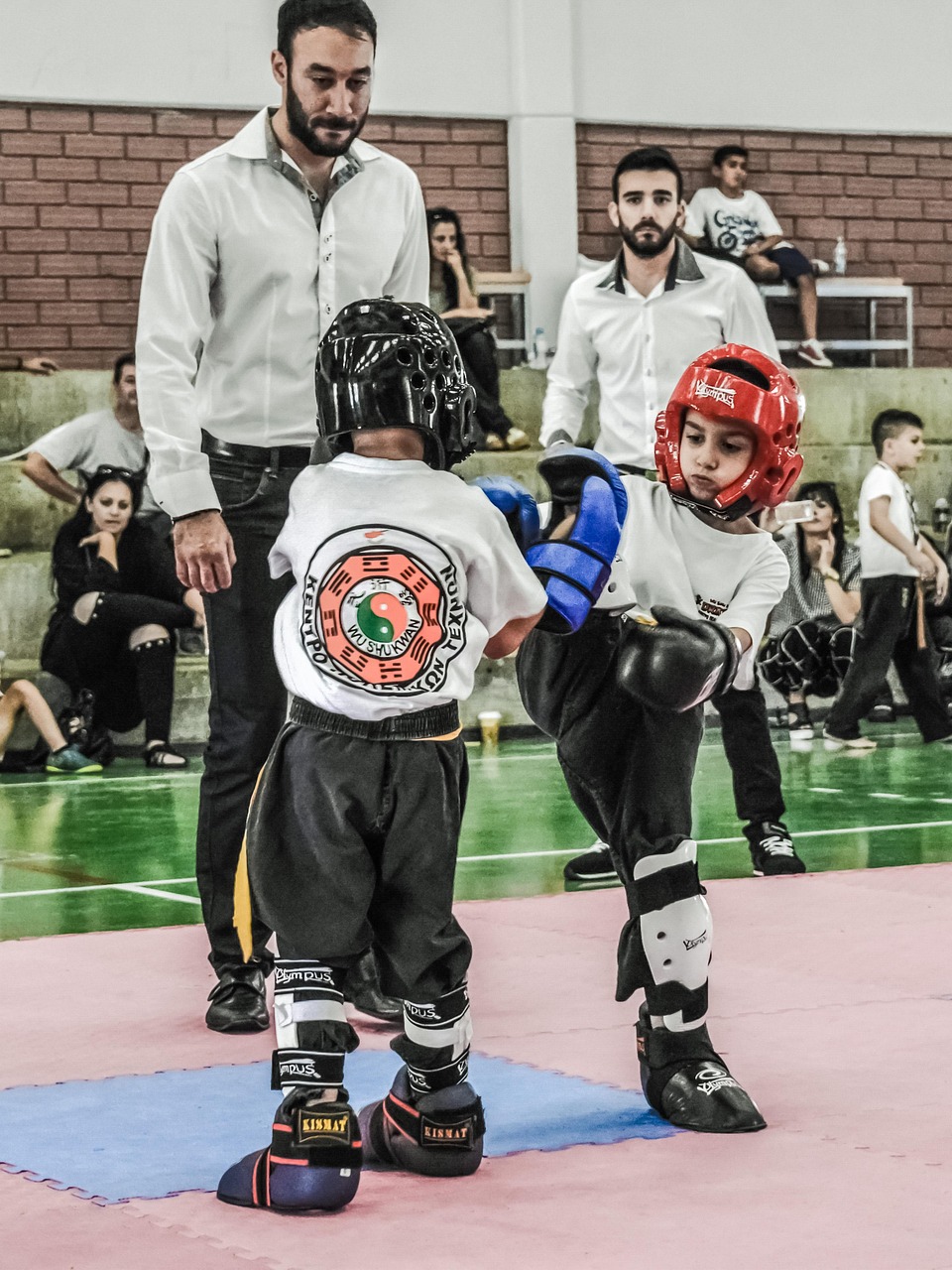
Headgear is about cuts and impact, not invincibility. In lab tests, approved amateur headgear cut the head’s linear and rotational acceleration from a gloved punch, sometimes by nearly half, and removing it in elite men’s boxing brought more cuts. It doesn’t make hard sparring safe. Fit is by head circumference: Title lists youth up to 20¾ inches and adult sizes from small (20¾-21½) to XL (23 and up).
- Training/sparring: full-face coverage with cheek pads, like the Title Classic Traditional Training Headgear 2.0 (about $60), protects more but limits vision a little.
- Competition-style: if you’ll compete, the Title Classic USA Boxing Competition Headgear (about $100) carries USA Boxing approval, according to the maker. Check the current certified list before an event.
- Kids: youth sizes such as the Ringside Youth Training Headgear (about $55). More on our youth boxing page.
Mouthguards
A mouthpiece is mandatory in every boxing competition and belongs in your mouth for every sparring round. The American Dental Association describes three types: stock (cheap, often poor fit), boil-and-bite (better fit) and custom-made by a dentist. Rinse it after use, store it in a vented case, keep it out of hot water and the sun, and replace it when it’s damaged or loose. The Shock Doctor Gel Max (about $12) is a popular boil-and-bite in youth and adult sizes. If you wear braces, ask your orthodontist; USA Boxing also requires a signed release to compete with braces.
Boxing shoes
Boxing shoes are light, thin-soled and grippy so you can pivot and stay on the balls of your feet; many are mid- or high-top. USA Boxing allows only light shoes without spikes or heels. Beginners can start in flat court shoes, but running shoes with thick, soft heels make pivoting awkward. The Title Speed-Flex Encore Mid-Top (about $60) is a sensible first pair; the Nike Machomai 3 (about $135) is a pricier option; and kids can start in the adidas Box Hog Classics for little and big kids (about $48).
Heavy bags for home
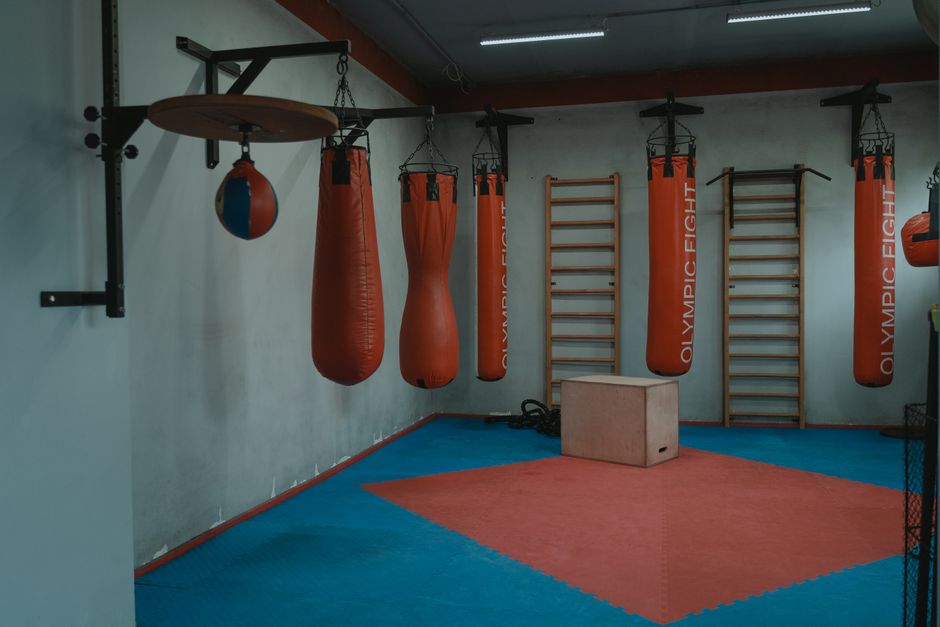
Hayabusa’s guide suggests about 40-70 lb for beginners, 70-100 lb for intermediate boxers and 100 lb or more for advanced; heavier bags swing less. For boxing only, a 3-4 ft bag is enough. Hanging bags give the most realistic feel but need a properly rated ceiling mount, beam or stand.
- Ringside 100 lb Powerhide Heavy Bag (about $220): 42 by 14 inches, soft-filled with a foam liner, chains and swivel included.
- Everlast Single Station Heavy Bag Stand with 70 lb Heavy Bag Kit (about $395): a steel stand (holds bags up to 100 lb) plus a 70 lb, 36-inch bag, gloves and wraps; no ceiling needed.
- Everlast Elite Punching Bag (about $123): sand and recycled-cloth fill with a bottom tie-down strap.
Always wrap your hands and wear gloves on the heavy bag; it’s where most people meet their first sore knuckle. Training plans that use the bag are on our boxing training page.
Recovery gear for the bag
Rounds of punching leave forearms, shoulders, upper back and calves tight. Many boxers keep a foam roller and a small massage gun in the bag and change into soft slides after the gym. These are for comfort, not treatment; a hand that swells or a shoulder that keeps hurting needs a professional (see boxing injuries and boxing recovery).
Hypervolt Go 3
- 1.6 lb, 5 speeds
- 45 lb stall force
- Up to 4 hr, USB-C
TriggerPoint GRID 1.0 Foam Roller
- 13 x 5 in, hollow core
- Multi-density surface
- About $40
OOFOS OOahh Slide
- OOfoam slide
- APMA Seal of Acceptance
- Machine washable
Compare more in our massage gun guide, foam roller guide, recovery shoes guide and combat sports recovery gear guide.
How to choose boxing gear
- Buy for how you’ll train. Fitness boxing: bag gloves, wraps, shoes. Sparring: add 16 oz (or size-appropriate) sparring gloves, headgear and a mouthguard.
- Size gloves by weight and use, not looks; heavier for sparring.
- Try headgear on by head circumference, with your mouthguard in, and check you can see a jab coming.
- Competing? Look for the USA Boxing approval label and check the certified list.
- Keep it clean. Air gloves out and wash wraps after every session; USA Boxing cleans competition gloves and headgear with a 10% bleach solution or wipes between bouts.
Boxing gear questions
What size boxing gloves should I get?
For most adults, about 12-14 oz for bag and mitt work and 16 oz for sparring. Title Boxing’s chart suggests 14-16 oz for 136-150 lb and 16-18 oz over 150 lb; kids under about 100 lb use 6-10 oz gloves.
How long should boxing hand wraps be?
Most adults use 180-inch wraps; smaller hands may prefer 120 inches, and kids’ wraps run up to 120 inches. Longer wraps give more wrist and knuckle support.
Do I need headgear for boxing?
For sparring, yes, and USA Boxing requires approved headgear in all divisions at its competitions. For bag, mitt and fitness classes with no contact, you don’t need it.
What weight heavy bag should I buy?
Beginners usually do well with 40-70 lb, intermediate boxers 70-100 lb, and advanced or heavier boxers 100 lb and up, according to Hayabusa’s guide. Make sure your ceiling mount or stand is rated for the bag.
Can I use MMA gloves for boxing?
Not for sparring or bag work: open-finger MMA gloves have much less padding over the knuckles. Use proper boxing gloves sized for your weight, over hand wraps.