This article contains affiliate links: if you buy through them we may earn a commission, at no extra cost to you. Learn more.
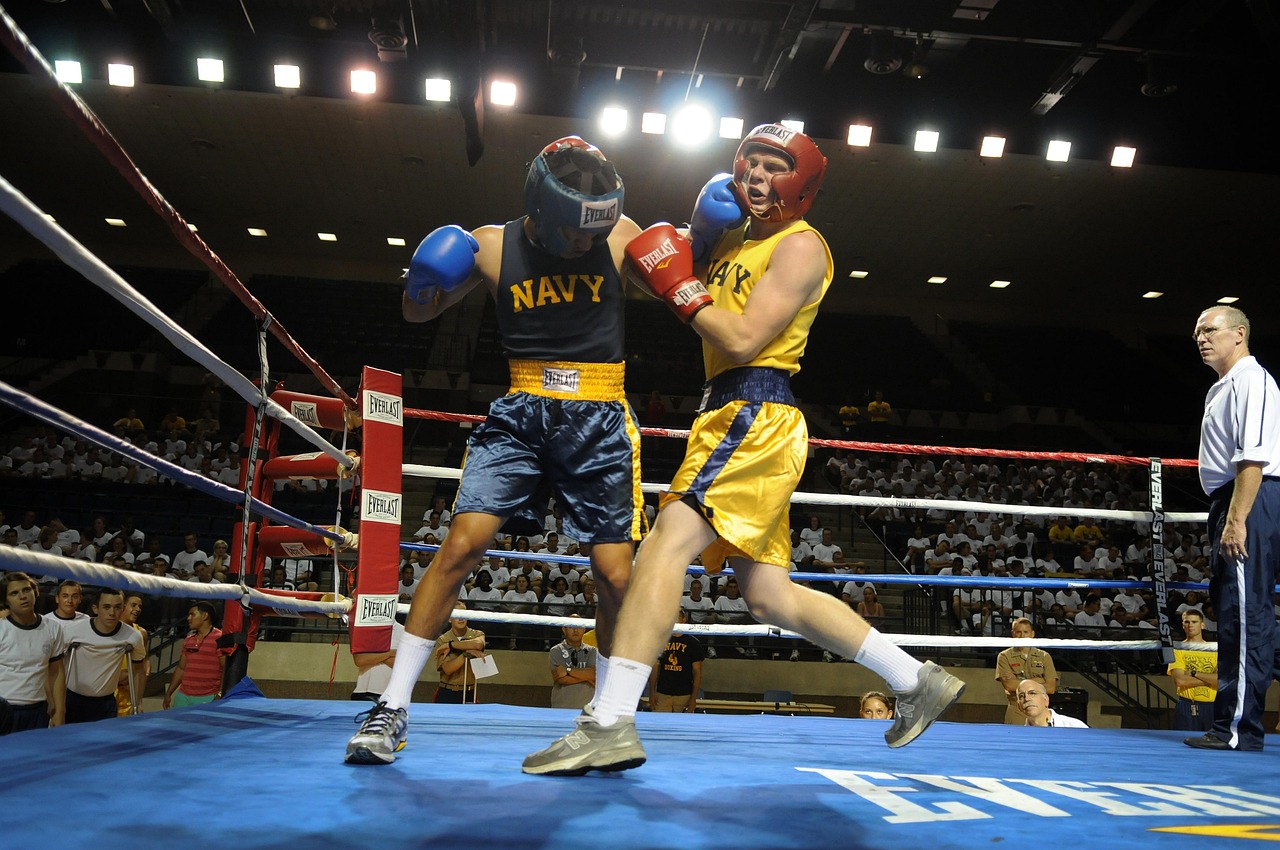
Tuesday night at the club. The bell rings, the heavy bags swing, and two boxers step through the ropes for three rounds of sparring while the coach leans on the apron and calls out “hands up, chin down”. Boxing builds fitness, discipline and confidence like few sports can. It’s also the one sport where hitting the other person in the head is the point. That’s why this page doesn’t tiptoe. Here are the boxing injuries that show up again and again, from the brain to the knuckles, what the research does and doesn’t show, and the warning signs that mean “stop and get it checked”, whether you box in a fitness class, a USA Boxing tournament or under a pro license.
General information, not medical advice. If you’re hurt, see a sports medicine doctor, physical therapist (PT) or certified athletic trainer (AT). For the big picture of the sport, start at our boxing hub.
Where boxers get hurt
A 2022 systematic review of 17 studies on amateur boxing found two different injury pictures. In competition, the head and neck took most of the injuries (a median of 72% across studies), mostly bruises, cuts and scrapes. In training, the upper limb led (about half of injuries), mostly sprains and strains. Injury rates were far higher per hour in competition than in training. Women boxers at an Indian national championship showed the same pattern: head, face and neck first, then bruises, cuts and nosebleeds.
Concussion and repeated head impacts: the honest picture
There’s no way to make boxing head-safe, and the medical groups say so. The American Academy of Pediatrics (AAP) and the Canadian Paediatric Society oppose boxing for children and adolescents because the sport rewards deliberate blows to the head and face. They note that concussion is one of the most common boxing injuries and that the risks include chronic and even fatal neurological injury. They also list the benefits: exercise, self-discipline and self-confidence. Families who choose boxing anyway should know both sides. Our youth boxing page covers the kids’ rules.
What the research shows about the long term, in plain terms:
- Professional fighters: in the Professional Fighters Brain Health Study (224 boxers and MMA fighters), more pro fights and more years of fighting went with smaller volumes in parts of the brain and slower processing speed. In a later analysis from the same study, the number of sparring rounds active fighters did was linked to higher levels of a blood marker of nerve-cell damage (neurofilament light).
- Sparring adds up: among 237 professional boxers in Maryland, those with more sparring exposure did worse on tests of thinking speed and balance before their bouts.
- Amateur boxing: a systematic review found no strong evidence linking amateur boxing to chronic brain injury, but it also called the quality of evidence generally poor. Short-term changes are clearer: in one study, amateur boxers showed post-bout drops on thinking tests despite wearing headgear.
- CTE (chronic traumatic encephalopathy): a brain disease tied to repeated head impacts, first described in boxers. A 2024 review notes it can only be diagnosed for certain after death and has no specific treatment. A 2007 review found clinical signs of it in 17% of British pro boxers whose careers ran from the 1930s to the 1950s, and said modern prevalence is unknown.
Spot a concussion and stop
The CDC’s HEADS UP program is direct: if you think an athlete may have a concussion, remove them from activity, the same day, until a health care provider clears them. Signs include looking dazed, slow answers, clumsiness, mood changes and vomiting. Boxers may report headache, dizziness, nausea, blurry vision, sensitivity to light or noise, or feeling foggy. Call 911 or go to the emergency department for the CDC’s danger signs: one pupil larger than the other, a headache that gets worse, slurred speech, weakness or numbness, repeated vomiting, seizures, increasing confusion, or loss of consciousness. USA Boxing’s restriction form adds blood or watery fluid from the ears or nose, and asks that a boxer be watched for 24 hours after any knockout or stoppage.
The rest periods after a knockout
USA Boxing’s 2026 rulebook sets minimum time off from competing and sparring after a knockout or a referee stoppage for hard blows to the head: at least 30 days with no loss of consciousness, 90 days if the boxer was out for under a minute, and 180 days if longer. Repeat knockouts lengthen it: two within 90 days means at least 90 days out, and three within 12 months means at least a year. A boxer under restriction must not train or spar, the rules apply to knockouts in the gym too, and coming back needs written clearance from a physician. Pros follow their state athletic commission; California, for example, requires a brain imaging scan and a neurological exam to get a license.
Sparring limits that protect your brain
No governing body publishes a single safe number of sparring rounds, so the studies above are the best guide: head exposure adds up, and sparring is where most of it happens outside fights. Habits many coaches use to keep it under control:
- Spar with a purpose, not every day. Technical or light sparring most of the time; hard sparring only in a fight camp, and only as much as it takes.
- Match partners by size and level, and have a coach watching. USA Boxing defines sparring as training under a registered coach, at a training facility, never as entertainment.
- Gear up: headgear, a fitted mouthguard and padded sparring gloves (many gyms use 16 oz). A review of headgear research found it protects well against cuts and skull fractures; the evidence on concussion is much less clear. Headgear is not a reason to take more shots.
- Never spar with symptoms. A headache, dizziness or fog from the last session means no sparring until a doctor says so.
Hand injuries: boxer’s fracture and boxer’s knuckle
The American Academy of Orthopaedic Surgeons (AAOS) names the boxer’s fracture: a break in the fifth metacarpal, the bone behind the little finger, most often from punching something hard with a closed fist. Signs include swelling, bruising, pain, a sunken knuckle, a shortened finger, or a finger that crosses over its neighbor when you make a fist. AAOS says to get a hand fracture seen soon, because a delayed one gets harder to treat. In eight years of injury records from the Great Britain Olympic boxing squad, the most common hand and wrist problems were “boxer’s knuckle” (an injury to the tissue that holds the tendon over the knuckle) and instability at the base of the hand bones. Hand and wrist injuries happened at a far higher rate per hour in competition than in training.
Prevention is mostly about wraps, gloves and technique. Wrap every session with a full-length wrap (180 inches is the common size, like the Hayabusa Perfect Stretch or RDX wraps), use bag gloves with real padding and wrist support such as the Everlast Powerlock 2, and let a coach check that you land with the first two knuckles and a straight wrist.
Wrist and shoulder
Wrist: sprains come from bent-wrist punches and loose wraps. A fall onto an outstretched hand can break the scaphoid, a small wrist bone. AAOS warns that this fracture may not show on the first X-ray and that wrist pain lasting more than a day after an injury should be checked, because a missed scaphoid fracture can fail to heal. Tenderness in the hollow at the base of the thumb is the classic sign.
Shoulder: thousands of punches a week load the rotator cuff, and a wild hook or a fall can dislocate the joint. AAOS calls a dislocation an emergency: don’t try to pop it back in yourself. People who have dislocated once have a high risk of doing it again. Steady strength work for the upper back and rotator cuff is part of every good boxing training plan.
Cuts and nosebleeds
Cuts around the eyebrows and nosebleeds are among the most common competition injuries. In USA Boxing bouts, the corner may use only petroleum jelly, cotton swabs, nose plugs and ice bags or cold compresses on a cut. The ringside doctor decides whether a boxer can go on, and USA Boxing’s restriction form records cuts, along with “uncontrolled nosebleed”, as reasons for time off. Any cut that’s deep, gaping, near the eye or keeps bleeding needs a doctor. A nose that looks crooked or blocks breathing after a punch should be checked for a fracture.
Eye injuries
The eye is right in the target area. In a 1993 study of 25 amateur boxers who had no eye complaints, doctors found retinal tears or holes in 6 cases, and 19 of the 25 had eye changes the doctors put down to blunt trauma. California’s athletic commission can deny a license for a history of retinal tear or detachment unless an approved eye specialist clears the boxer, and it requires an eye exam by the commission doctor before every bout. See an eye doctor the same day for flashes of light, a shower of new floaters, a shadow or curtain over part of your vision, or blurred or double vision after a punch. These can be signs of a retinal tear.
Protective gear worth having
None of this makes boxing safe, but it’s the basic kit for every session. USA Boxing requires a mouthpiece in every bout; a boil-and-bite guard like the Venum Challenger or the Shock Doctor Gel Max is the usual starting point (a dentist can make a custom one). Wraps and padded gloves protect the hands. More on our boxing gear page.
Venum Challenger Mouthguard
- Boil-and-bite fit
- EVA, shock-absorbing
- About $14
Hayabusa 4.0 Perfect Stretch Hand Wraps
- 180 in
- Four-way stretch
- About $20
Everlast Powerlock 2 Boxing Gloves
- Hook-and-loop closure
- Four layers of foam
- About $65
When to see a sports medicine doctor, PT or athletic trainer
- Right away (emergency): any concussion danger sign, loss of consciousness, a dislocated shoulder, sudden vision changes, or fluid from the ears or nose.
- Within a day or two: a suspected concussion, a knuckle that looks sunken or a finger that crosses over, wrist pain that hasn’t settled after a day, or a cut that may need stitches.
- Soon: knuckle swelling that keeps coming back, a shoulder that feels loose, headaches or memory changes that build over weeks of sparring.
Once you’re cleared, our boxing recovery page covers the days between sessions. For how other combat athletes look after their bodies, see our MMA recovery gear guide and the wrestling injuries page.
Boxing injuries: FAQs
What is the most common injury in boxing?
In amateur competition, head and face injuries such as bruises, cuts and nosebleeds lead the list. In training, sprains and strains of the hands, wrists and shoulders are most common, according to a 2022 review of 17 studies.
Does headgear prevent concussions in boxing?
Not reliably. A review of 39 studies found headgear protects well against cuts and skull fractures, but there’s much less evidence that it prevents concussion. USA Boxing still requires headgear in all its competitions.
How long after a knockout can you spar again?
Under USA Boxing rules, at least 30 days with no loss of consciousness, 90 days if you were out for under a minute and 180 days if longer, with longer periods for repeat knockouts. You also need a doctor’s written clearance. Pros follow their state commission’s suspension.
What is a boxer’s fracture?
A break in the fifth metacarpal, the hand bone behind the little finger, usually from punching something hard with a closed fist. Swelling, a sunken knuckle or a finger that crosses its neighbor when you make a fist means it’s time to see a doctor.
Is boxing safe for kids?
The American Academy of Pediatrics and the Canadian Paediatric Society oppose boxing for children and teens because of the risk of head and face injuries. USA Boxing does run a program from age 8 with headgear and shorter rounds. Non-contact boxing fitness classes avoid head blows altogether.
Can you get CTE from amateur boxing?
The research isn’t settled. A systematic review found no strong evidence of chronic brain injury from amateur boxing, but rated the evidence as poor. Studies of pros link more fights and more sparring to brain changes. Limiting head impacts, especially in sparring, is the sensible approach.