This article contains affiliate links: if you buy through them we may earn a commission, at no extra cost to you. Learn more.
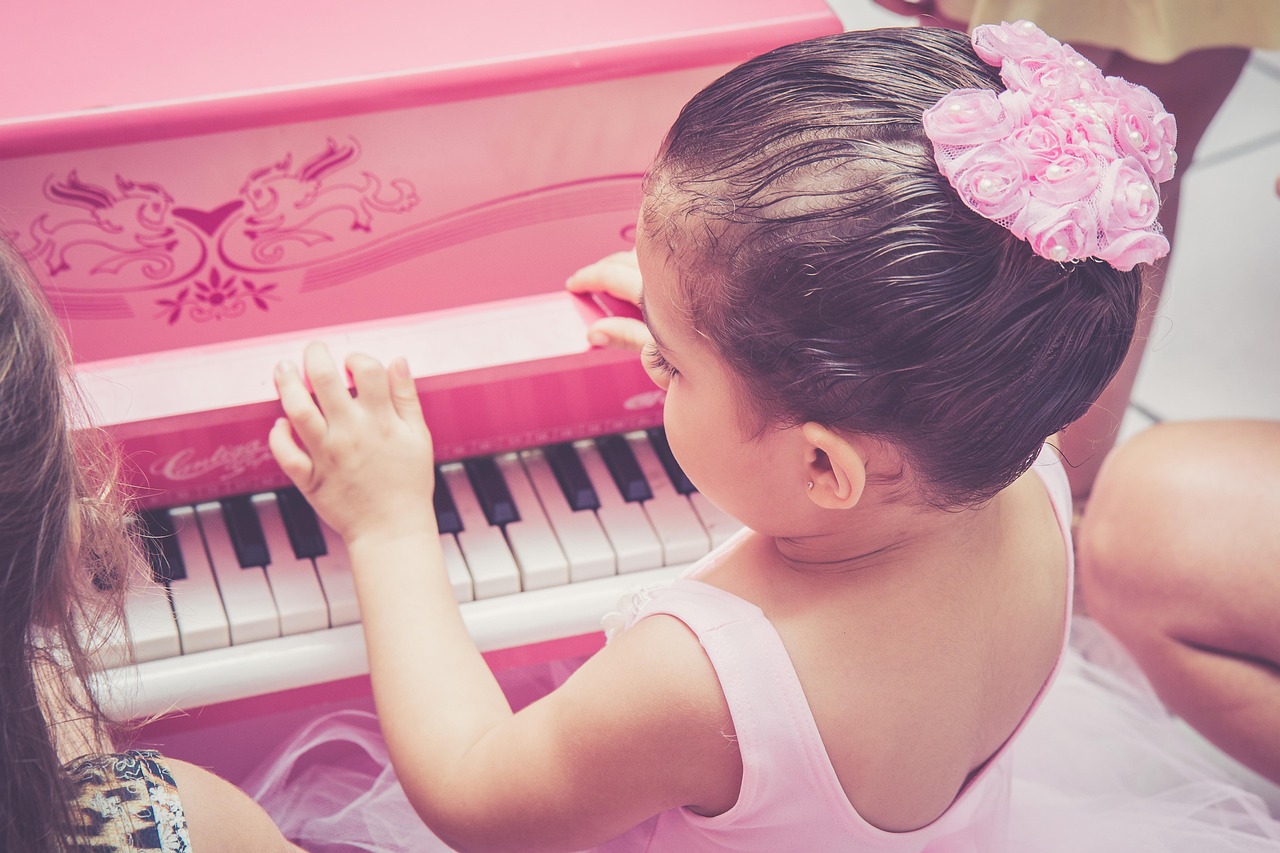
It starts in the kitchen: a four-year-old twirling in socks to the radio. Then a “creative movement” class, a first recital in a tutu that itches, and before long a ten-year-old asking every week, “When can I get pointe shoes?” Youth dance gives kids fitness, rhythm, confidence and friends, and it can run from one class a week to twenty hours of training. This page is for parents: what age to start, how pointe readiness really works, how to choose a studio, training hours and rest, costs, and the questions parents ask most.
For the big picture, start at our dance hub.
What age can kids start dance?
- Preschool (about 3–5): the American Academy of Pediatrics (AAP) lists beginner dance among the ground-level activities that suit preschoolers, as long as play stays unstructured and fun. Look for “creative movement” or “pre-ballet” classes built on games and music.
- School age (6–8): the AAP says most kids are ready for simple organized activities by about 6. Tap, jazz, hip-hop and combination classes work well here.
- Formal ballet (about 8+): the International Association for Dance Medicine & Science (IADMS) says movement classes from age four can be beneficial, but “no proper ballet training can be accomplished before age eight.”
- Breaking: Breaking for Gold USA, the breaking division of USA Dance, has a Youth competition category starting at age 5 (Youth 5–12, Teen 13–17).
It’s never too late, either. Many dancers start as teenagers, and adult beginner classes are common.
Pointe readiness: what the guidelines say
Going on pointe is a huge moment for a young ballet dancer, and the question every parent hears is “When?” The best-known guidance is the IADMS resource paper for teachers (Weiss, Rist and Grossman, updated 2019). It says the usual answer, “at 12,” assumes a child who has been training at a professional-track academy for three years and takes four classes a week by then. Its seven guidelines:
- Not before age 12.
- No pointe if the student isn’t anatomically ready, for example not enough ankle and foot range of motion or poor leg alignment.
- Discourage pointe for students who aren’t truly pre-professional.
- Delay it for weak core or leg muscles, and consider a strengthening program.
- Delay it for very hypermobile (“over-arched”) feet and ankles, and strengthen first.
- Discourage pointe if ballet class is only once a week.
- With classes twice a week and none of the above, begin in the fourth year of training.
Why so careful? The paper says the risks of starting too early have less to do with bone damage than with not having enough range of motion, strength and stability, which puts stress on the legs, pelvis and trunk. It also notes that growth plates in the foot don’t finish closing until about 14 in girls and 16 in boys on average, so “her feet are done growing at 12” isn’t a valid reason either. Lurie Children’s Hospital of Chicago adds that a dancer should have a solid demi-pointe (half-toe) first and be ready psychologically, because struggling on pointe can hurt confidence. Many teachers ask for a pre-pointe assessment with a physical therapist who works with dancers.
When the teacher says yes, first pointe shoes are always fitted in person by a trained fitter. Bloch recommends booking an appointment, allowing about 30–40 minutes, and bringing the teacher if possible; the shoes should be snug, with room to wiggle the toes but no room for the foot to slide. Never buy first pointe shoes online by size alone. Our dance gear guide explains pointe shoes and toe padding.
How to choose a dance studio
- Teachers’ training: ask where teachers trained and whether they hold certifications such as the Royal Academy of Dance, the Cecchetti Council of America or ABT’s National Training Curriculum, or belong to the National Dance Education Organization (NDEO). See our dance organizations page.
- The floor: Ausdance, the Australian dance body, says dance floors should be sprung, semi-sprung or cushioned, and warns that dancing on concrete can cause injury. Ask what’s under the vinyl.
- Can parents watch? A viewing window, open classes or observation weeks are good signs.
- Pointe policy: a good studio decides pointe by readiness, not by age or by what other studios do.
- Injury and concussion plan: who handles injuries, and do they follow the CDC’s HEADS UP steps (out right away, back only with a healthcare provider’s OK)?
- Culture: look for teachers who never shame bodies or weight, who let kids say “my ankle hurts,” and who choose age-appropriate music, choreography and costumes.
- Recreational vs. competition: many studios run both tracks. Competition teams mean extra rehearsals, fees and weekends; make sure that’s what your child wants.
Training hours, rest and overuse
Physical therapists in the American Physical Therapy Association’s performing arts group point out that dancers often have no off-season: breaks get filled with summer intensives or extra styles. For young athletes in any sport, the AAP recommends:
- At least 1–2 days off a week from the sport.
- At least 2–3 months off a year from any one sport, which can be split into one-month blocks.
- Raising training load gradually, commonly no more than 10–20% a week.
- Keeping the focus on fun, skill and safety, and watching for burnout: fatigue, mood changes, poor sleep or slipping grades.
The CDC recommends 9–12 hours of sleep a night for kids 6–12 and 8–10 hours for teens, which late rehearsals can eat into. Plan a real snack before evening classes, and keep an eye on eating: low energy intake raises the risk of bone stress injuries, and no child should be pushed to diet for dance.
How kids get hurt dancing
A 2026 study of US emergency department visits from 2019 to 2023 estimated about 93,000 dance-related visits by 3- to 17-year-olds. Knees (21%) and ankles (16%) were injured most, sprains and strains were the most common diagnosis, and 37% of injuries came from hitting the floor. Younger children had more knee and ankle sprains, teens had more fractures, and boys had more head injuries. See a pediatric sports medicine doctor, physical therapist or athletic trainer for pain that lingers, limping, a swollen joint, heel or low back pain in a growing child, or any head injury. Our dance injuries page explains each one.
What does youth dance cost?
There’s no reliable national figure for dance alone. For context, the Aspen Institute’s Project Play survey found the average US sports family spent $1,016 on a child’s primary sport in 2024, up 46% since 2019. For dance, the main costs are monthly tuition (by number of classes), recital or costume fees, shoes for each style (pointe shoes add up fastest), competition entry fees and travel for competition teams, and summer intensives. Ask the studio for a written list of fees before the season starts.
A starter kit for young dancers
Most studios post a dress code by class level. The first purchase is usually a soft ballet slipper such as the Bloch Dansoft girls’ full-sole leather slipper; buy for the foot now, not to “grow into.” For pre-pointe strengthening that a teacher or physical therapist assigns, a simple band set like the THERABAND Beginner Kit is the standard tool. Practice at home on a safe surface: stretching and barre work are fine anywhere, but save jumps and turns for a proper floor.
Bloch Dansoft Full Sole Leather Ballet Slipper (Girls)
- Leather upper, cotton lining
- Full sole
- Elastic drawstring, about $23
THERABAND Beginner Resistance Band Kit
- Yellow, red, green flat bands
- Clinic-standard color system
- About $19
More: competition rules and studio etiquette, dance nutrition, dance training, our resistance bands guide, and for comparison youth gymnastics and youth soccer.
Parents’ questions about youth dance
What is the best age to start ballet?
Playful creative-movement classes are fine from preschool; the AAP lists beginner dance as a good fit for that age. IADMS says formal ballet training really begins around age 8. Starting later is fine too.
When can my daughter or son go on pointe?
According to IADMS guidelines, not before 12, and only with at least two ballet classes a week, about four years of training, good strength and alignment, and enough ankle and foot range of motion. The teacher decides, ideally after a pre-pointe assessment with a physical therapist.
My child only takes ballet once a week. Should she do pointe?
IADMS discourages pointe for students who take ballet once a week or who aren’t on a pre-professional track. Demi-pointe work, strength and technique build a better base.
How many hours a week should a child dance?
No number is proven safe. The AAP recommends 1–2 days off a week, 2–3 months off a year from any one sport, and gradual increases in training. Talk with the studio and your pediatrician if the schedule keeps growing.
Are dance competitions good for kids?
They can build confidence and teamwork, but they add rehearsal hours, costs and weekends. Choose a team because your child loves it, and keep rest days and school in balance.
Is it OK to practice dance on a kitchen or garage floor?
Stretching and barre work, yes. Jumps and turns, no: concrete and tile don’t absorb impact, and Ausdance warns that dancing on concrete can cause injury.