This article contains affiliate links: if you buy through them we may earn a commission, at no extra cost to you. Learn more.
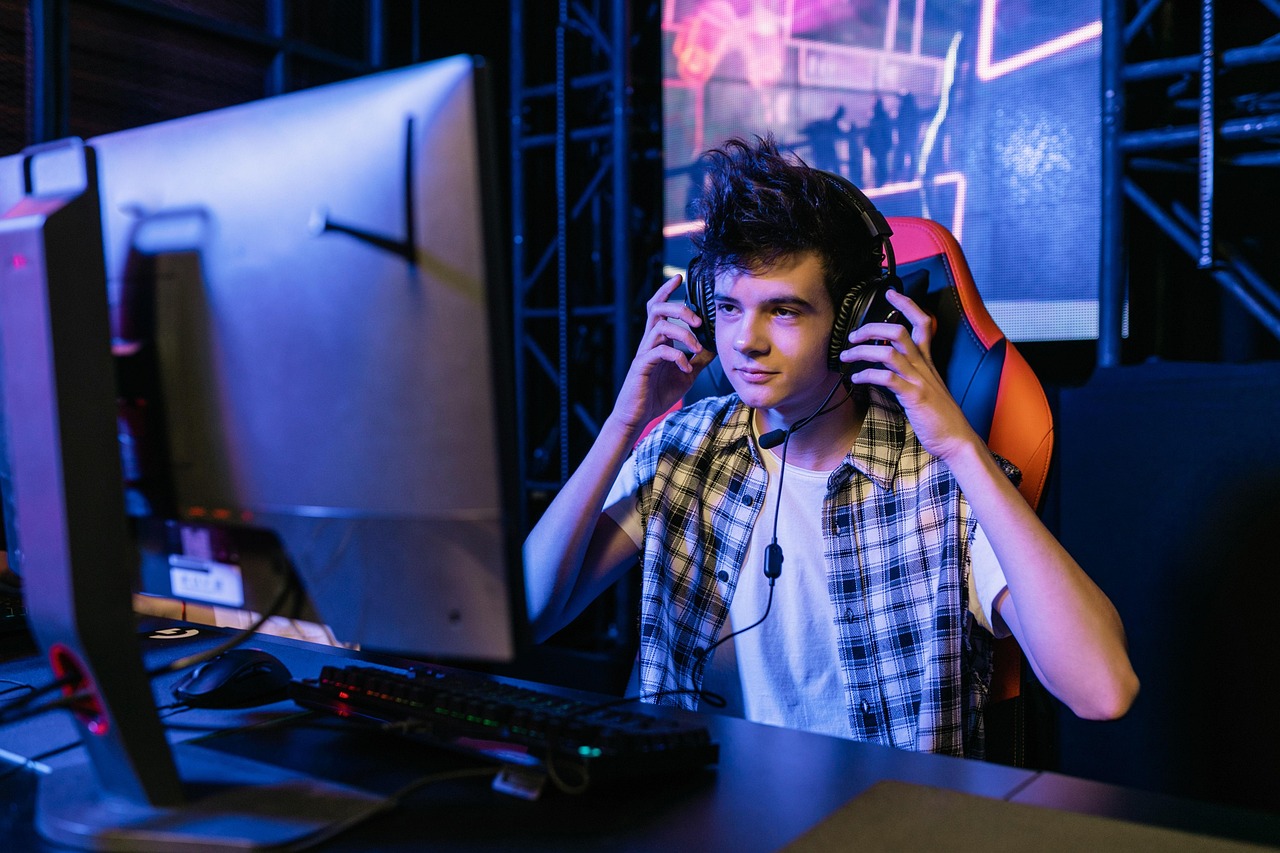
Hour six of a Saturday scrim block. The energy drink cans are lined up by the monitor, the headset has been on since lunch, and the 19-year-old on the college team flexes his mouse hand under the desk because his wrist has started to tingle again. Down the hall, a high school player rubs the back of her neck between maps; on the other side of the world, a pro is about to walk on stage for a final. Esports injuries don’t come from tackles. They come from thousands of clicks, long hours in one posture, bright screens, loud headsets and late nights. This page covers what goes wrong for gamers at every level, from teens to collegiate varsity players, pros and adults who play ranked after work, how to lower the risk, and when to see a professional.
This page is general information, not medical advice. If something hurts, tingles or goes numb and doesn’t settle, see a sports medicine doctor, physical therapist (PT), certified athletic trainer (AT) or, for your eyes, an ophthalmologist. For the bigger picture of the sport, start at our esports hub.
How common are esports injuries?
More common than most people think. In one of the first studies, 65 collegiate players from nine US and Canadian universities practiced 3 to 10 hours a day; 56% reported eye fatigue, 42% neck and back pain, 36% wrist pain and 32% hand pain, yet only 2% had seen a doctor about it. A 2026 meta-analysis pooled the research and found a one-year pain prevalence of 73% and a seven-day prevalence of 44%, with the neck (48%) and wrists (37%) standing out. The authors stress that the studies are few and varied, so treat the numbers as a rough picture, not exact rates.
Volume matters. In a survey of 153 collegiate varsity players, 41 (26.8%) had at least one esports injury; the wrist was the most common site, followed by neck, back, fingers and hand, and players who practiced more hours per day were more likely to be hurt. A 2026 survey of 1,229 players of all levels found the trunk and spine (26.0%) and the wrist region (18.3%) led the list, almost all from overuse, with pros injured more often than amateurs and tactical-shooter players more often than sports-game and MMO players.
Wrist and hand: carpal tunnel and tendon irritation
Carpal tunnel syndrome
The American Academy of Orthopaedic Surgeons (AAOS) describes carpal tunnel syndrome as numbness, tingling, burning and pain, mainly in the thumb, index, middle and ring fingers, often waking people at night, sometimes with weakness or dropping things. Heredity, repetitive hand use, extreme wrist positions, pregnancy and conditions such as diabetes and rheumatoid arthritis all play a part. AAOS lists a night brace or splint that keeps the wrist straight and changing the activities that set it off among the first steps, and warns that untreated carpal tunnel can lead to lasting numbness and weakness. Tingling in the mouse hand is a reason to get checked, not to play through.
Tenosynovitis and “gamer’s thumb”
Controller players hammer the thumbs; mouse and keyboard players flick the wrist and fingers thousands of times a session. De Quervain’s tenosynovitis is irritation of the tendons on the thumb side of the wrist: AAOS describes pain there that gets worse with thumb and hand use, sometimes swelling or a catching feeling, and lists repetitive wrist and thumb movements (typing and texting among them) as things that can make it worse. Researchers note that nicknames such as “gamer’s thumb” and “PlayStation thumb” are showing up more often for these repetitive-strain problems. AAOS lists splinting and changing the activity among nonsurgical options.
Many gamers try an ergonomic mouse such as the Logitech MX Vertical (a 57-degree “handshake” angle, per Logitech) for work and casual play, a night splint like the Mueller Wrist Brace with Splint when a doctor suggests one, and forearm work with a TheraBand FlexBar guided by a PT. None of these is a treatment on its own, and a vertical mouse isn’t for every competitive aim style.
Logitech MX Vertical Wireless Mouse
- 57-degree vertical angle (maker)
- Rechargeable, wireless
- About $120 at Logitech
Mueller Wrist Brace with Splint
- Removable splint
- One size fits most
- Left or right wrist
TheraBand FlexBar (Red)
- 12 in rubber bar
- About 10 lb to bend into a U
- About $15–18
Loop Experience 2 Ear Plugs
- 17 dB SNR (maker)
- Reusable, 4 tip sizes
- Keychain case
Neck and back: the posture problem
Back pain was the most common pain site (31.3%) in a study of 188 Danish esports athletes aged 15 to 35, and players with pain trained about 5.6 fewer hours a week than those without, so pain costs practice time. The usual pattern is head forward toward the screen, shoulders rounded, lower back slumped, for hours.
The US Occupational Safety and Health Administration (OSHA) describes a neutral seated posture as hands, wrists and forearms straight and roughly parallel to the floor; head level and in line with the torso; shoulders relaxed; elbows close to the body and bent 90 to 120 degrees; back fully supported; thighs roughly parallel to the floor; and feet flat on the floor or a footrest. OSHA puts the top of the monitor at or slightly below eye level, 20 to 40 inches away, and says sitting still in the same posture for long periods is not healthy: change position, stretch fingers, hands, arms and torso, and stand and walk now and then. Our esports training page has the strength work that keeps the neck and upper back from giving out late in a session.
Eye strain and the 20-20-20 rule
Eye fatigue is the most reported complaint in several esports studies (32.5% to 92% across one review). The American Academy of Ophthalmology (AAO) explains why: we normally blink about 15 times a minute, but only 5 to 7 times a minute on a computer, so eyes dry out. Its advice for screen users:
- 20-20-20: every 20 minutes, look at something at least 20 feet away for at least 20 seconds. Between rounds, maps or games is a natural moment.
- Distance and angle: sit about 25 inches (about arm’s length) from the screen, with your gaze slightly downward.
- Brightness and glare: match screen brightness to the room, raise contrast, and use a matte filter if glare is a problem.
- Dry eyes: artificial tears can help; AAO also suggests a humidifier near the desk.
AAO says eye strain doesn’t injure the eye or cause permanent damage, and that computer glasses for eye strain are not the same thing as “blue light blocking” glasses. See an ophthalmologist if your eyes are consistently red, blurry or watery, or become light-sensitive or painful.
Hearing: headsets, LAN halls and arenas
The National Institute on Deafness and Other Communication Disorders (NIDCD) says sounds at or below 70 decibels (dBA) are unlikely to cause hearing loss even after long exposure, while long or repeated exposure at or above 85 dBA can; music through headphones at maximum volume can reach 94 to 110 dBA. Noise can also cause tinnitus (ringing or buzzing), and noise-induced hearing loss is preventable. The World Health Organization (WHO) estimates over 1 billion young adults are at risk from unsafe listening and recommends moderate volume, limited time, listening breaks and noise-cancelling headphones so you don’t have to turn it up. In practice: keep the headset at a level where you could still hear someone next to you, take it off between games, and carry earplugs such as Loop Experience 2 for loud LAN halls and arena crowds. Get your hearing checked if you notice ringing or muffled sound that doesn’t fade.
Sleep disruption
Seventeen pro first-person-shooter players from South Korea, Australia and the US wore activity monitors for one to two weeks: median sleep was 6.8 hours, with sleep onset at 3:43 a.m. and waking at 11:24 a.m. In 275 high-level Japanese competitors, 38.5% had poor sleep quality, and nighttime training was linked to psychological distress. Adults need 7 or more hours a night and teens 13 to 18 need 8 to 10, according to the American Academy of Sleep Medicine (AASM). Our esports recovery page has a sleep plan that works around evening scrims.
Sitting all day: the sedentary risk
The first key point of the US Physical Activity Guidelines for adults is to move more and sit less. Esports makes that hard: a small study of male collegiate players found they took about 6,040 steps a day against 12,844 for matched non-gamers, and had more body fat, less lean mass and less bone mineral, even though their BMI looked the same. In an international survey of 1,772 players, most did not meet physical activity guidelines, although top-ranked players were more active than the rest. The guidelines ask adults for 150 to 300 minutes of moderate aerobic activity a week plus muscle-strengthening on at least 2 days, and kids and teens 6 to 17 for at least 60 minutes a day.
Prevention in five habits
- Set up the station: monitor top at or just below eye level, elbows 90 to 120 degrees, wrists straight, feet supported, armrests if your chair has them.
- Break the session: stand, walk and stretch hands and shoulders between games; look far away every 20 minutes. Review authors call regular breaks during long sitting a key prevention step.
- Warm up: a 2026 survey linked having no warm-up routine and poor sleep to more pain in keyboard-and-mouse players.
- Manage hours: injury risk rose with hours per day in collegiate players. Build volume gradually and take days off.
- Train the body: strength, mobility and cardio on most days (see training).
When to see a sports medicine doctor, PT or athletic trainer
- Soon: numbness or tingling in your fingers, especially at night; weakness or dropping things; thumb-side wrist pain that’s getting worse; neck or back pain lasting more than a few weeks.
- Right away: back or neck pain with weakness in an arm or leg, or loss of bladder or bowel control; sudden vision changes or a painful eye.
- Eyes and ears: an ophthalmologist for eyes that stay red, blurry, watery or painful; a hearing test for ringing or muffled hearing that doesn’t fade.
- Gaming and mood: WHO defines gaming disorder as impaired control, gaming taking priority over other interests and daily life, and carrying on despite harm, usually for at least 12 months. It affects only a small share of gamers, but if that sounds like you or your child, talk to a doctor or mental health professional. In a crisis in the US, call or text 988.
Collegiate programs often sit inside the athletics department, so varsity players may be able to see the team’s athletic trainer. For hand and wrist care in another fast-hands sport, see table tennis injuries, and for a deeper dive into prevention in a field sport, see soccer injuries.
Esports injuries: FAQs
What is the most common esports injury?
Overuse problems. Eye fatigue is the most reported complaint, followed by neck and back pain and wrist and hand pain. In collegiate varsity players, the wrist was the most common injury site.
Can gaming cause carpal tunnel syndrome?
AAOS lists repetitive hand use and extreme wrist positions among the factors behind carpal tunnel syndrome, along with heredity and health conditions, so long sessions with a bent wrist can play a part. Numbness or tingling in the thumb and first fingers, especially at night, is a reason to see a doctor early.
What is the 20-20-20 rule for gamers?
It’s the AAO’s tip for screen eye strain: every 20 minutes, look at something at least 20 feet away for at least 20 seconds. Gamers can use the natural pauses between rounds or matches.
Do blue light glasses help with gaming eye strain?
The AAO points out that computer glasses for eye strain are not the same as “blue light blocking” glasses. Breaks, blinking, the right screen distance and brightness, and artificial tears for dry eyes are its main tips.
How loud is too loud for a gaming headset?
NIDCD says long or repeated exposure at or above 85 dBA can cause hearing loss, and headphones at maximum volume can reach 94 to 110 dBA. Keep the volume moderate, take the headset off between games, and get a hearing check if you notice ringing.