This article contains affiliate links: if you buy through them we may earn a commission, at no extra cost to you. Learn more.
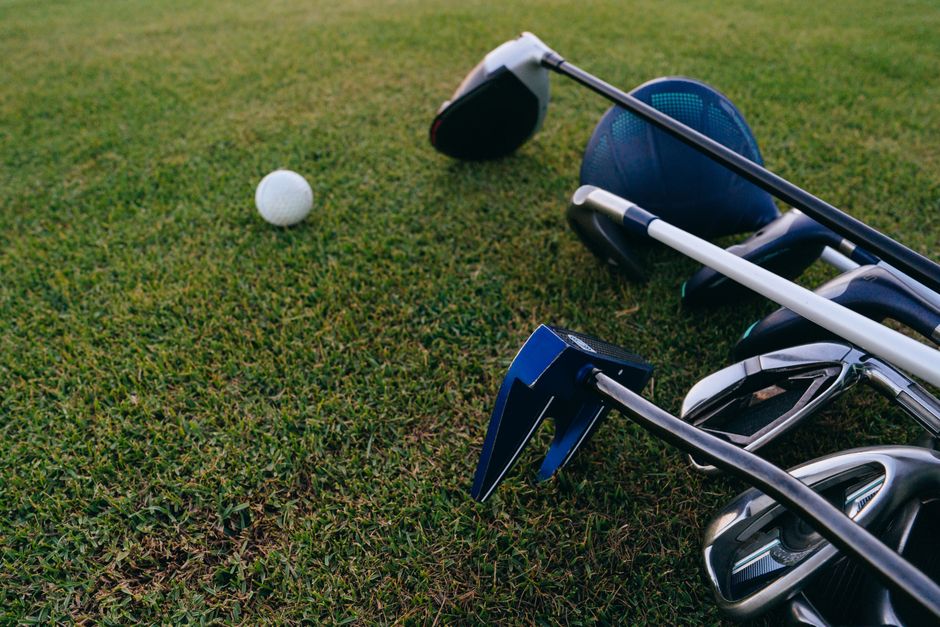
The trunk of the car on a Saturday morning: the bag, a sleeve of new balls, shoes still damp from last week’s dew, a rangefinder rolling around in the cupholder. Golf can be as simple as a half set and a bucket of range balls or as technical as a fitted bag and a launch monitor. This is our golf gear guide and golf equipment list: clubs and fitting basics, balls, shoes, rangefinders and GPS (with the rules on distance devices), push carts, and the recovery kit for the 19th hole.
Buying guide · Our Golf buying guide compares the gear we'd pick, with prices and sizing:
Prices change often. The prices below are what we saw at the maker or a major retailer in October 2026; check the current price before you buy.
The quick checklist: up to 14 clubs (beginners need far fewer), a dozen balls, tees and a ball-mark repair tool, golf shoes that fit, a glove, sunscreen, a hat and water, and a way to know your distances. If you walk, a push cart saves your back.
Our top picks
Bushnell Tour V6 Shift
- Slope on/off switch
- 1,300-yard range, 6x
- Magnetic cart mount
Callaway 300 Pro Rangefinder
- External slope switch
- 5–1,000 yards, 6x
- Magnetic cart mount
Garmin Approach S12
- 42,000+ courses preloaded
- Up to 30 hours in GPS mode
- Scorekeeping
Bag Boy Nitron Push Cart
- One-step auto-open
- Magnetic accessory plate
- Handle parking brake
Caddytek CaddyLite 11.5 V3
- 13.75 lb aluminum frame
- Quad-fold
- Foot brake
Callaway Strata 12-Piece Set
- 460cc driver, wood, hybrid
- Irons and putter
- Bag included
Clubs and fitting basics
The Rules allow up to 14 clubs, and every club you use in a round must conform to the Equipment Rules. A typical bag has a driver, a fairway wood or two, hybrids, irons, wedges and a putter, but a beginner can play happily with half that.
- Starting out: a complete box set is the simplest buy. The Callaway Strata 12-piece includes a lightweight 460cc driver, fairway wood, hybrid, irons, putter and bag, for about $490 on Amazon.
- Fitting: a club fitter (often a PGA professional) watches your swing, usually on a launch monitor, and adjusts club length, lie angle, loft, shaft flex and weight, and grip size. Many golfers get fitted once they play regularly; it’s most useful for the driver, irons and putter.
- Grips: grips wear out and get slick; new grips are one of the cheapest upgrades in golf.
- Juniors: clubs sized by height, not hand-me-downs. See our junior golf guide.
Golf balls: tour ball or soft ball?
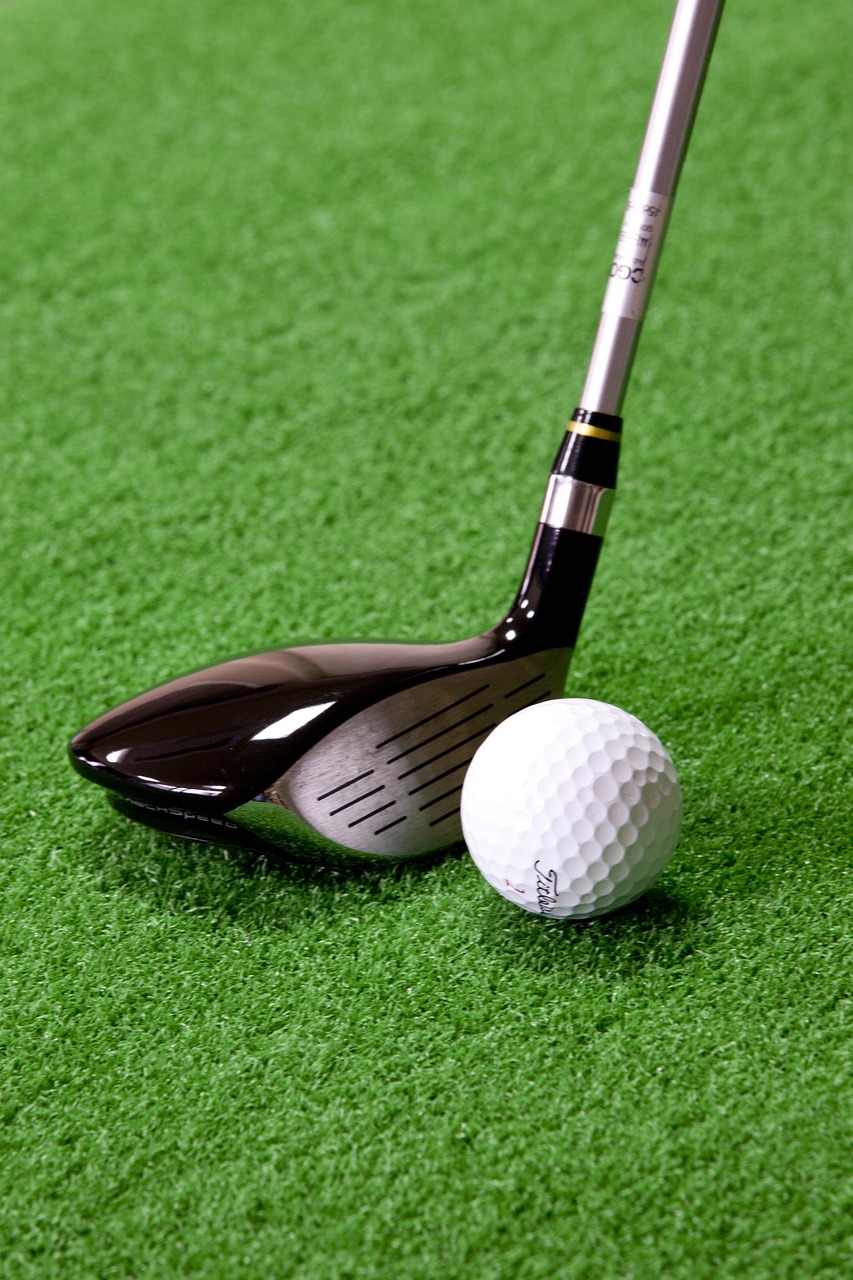
The ball must conform too: under the joint R&A and USGA standard, no heavier than 1.620 ounces and no smaller than 1.680 inches across. Inside those limits, balls differ a lot in feel, spin and price.
- Tour balls like the Titleist Pro V1 have a soft cast urethane cover for spin around the greens and a 388-dimple design; Titleist says the Pro V1 has a softer feel, less spin and a flatter flight than the Pro V1x. About $58 a dozen.
- Soft distance balls like the Callaway Supersoft combine a soft feel with a durable hybrid cover, for about $27 a dozen. A popular pick for golfers who lose a few balls a round.
Check the Callaway Supersoft price on Amazon
Golf shoes
A walking round can mean four or five hours on your feet, on wet grass and slopes, so grip and comfort matter more than looks. Spiked golf shoes use replaceable soft cleats; spikeless shoes have a molded sole you can also wear off the course. Many golfers choose spikes for wet or hilly courses. Fit matters most. The American Academy of Orthopaedic Surgeons’ (AAOS) athletic shoe tips work well: shop later in the day when feet are largest, wear the socks you play in, leave about half an inch between your longest toe and the end of the shoe, and make sure the heel doesn’t slip. Shoe models change every year and fit is personal, so we don’t push one pair.
Rangefinders and GPS: what the rules allow
Under Rule 4.3, distance-measuring devices are allowed unless the committee bans them with a Local Rule. You may get distance and direction; you may not measure elevation changes (slope), measure wind speed on the course or get club recommendations during the round. So in competition, a rangefinder’s slope must be switched off. Tours can be stricter: the PGA TOUR’s 2026 regulation allows only optical rangefinder-style devices where DMDs are permitted (no watches, phones or apps) and bans green-contour displays. More detail is on our golf rules page.
- Bushnell Tour V6 Shift: laser rangefinder with slope compensation and an external switch to turn it off for tournament play, 6x magnification, a 1,300-yard range, a flash-and-vibrate flag lock and a magnetic cart mount. About $300.
- Callaway 300 Pro: 6x, 5 to 1,000 yards with plus or minus one yard accuracy (maker), pin lock up to 300 yards with a vibration pulse, an external slope switch and a magnetic mount. About $200.
- Garmin Approach S12: a simple GPS golf watch with more than 42,000 courses preloaded, scorekeeping that syncs to the Garmin Golf app and up to 30 hours of battery in GPS mode. About $200. Our best golf wearables page compares more watches.
Check the Bushnell Tour V6 Shift price on Amazon
Check the Garmin Approach S12 price on Amazon
Push carts: walk the course, spare your back
Walking is one of golf’s health benefits, but carrying the bag isn’t free. A review of golf-related low back pain (Lindsay and Vandervoort, 2014), the most common golf injury, listed “unnecessarily stressful club transportation methods” among the risk factors and recommended avoiding carrying the golf bag. A push cart keeps the walk and drops the load.
- Bag Boy Nitron: opens in one step, with a deep console, a large accessory bag, drink and phone holders, a magnetic plate for a rangefinder, a parking brake on the handle and Top-Lok, which locks most Bag Boy and Datrek bags on without straps. About $250.
- Caddytek CaddyLite 11.5 V3: a 13.75-pound aluminum three-wheeler that folds in three steps for small trunks, with an adjustable handle, foot brake, mesh net, umbrella and drink holders and a one-year warranty. About $136.
Check the Bag Boy Nitron price on Amazon
If you do carry, keep the bag light and pack only what you need.
Sun and water in the bag
The American Academy of Dermatology recommends a broad-spectrum, water-resistant sunscreen with SPF 30 or higher, reapplied every two hours and right after sweating; that’s at least twice in an 18-hole round. Add a hat and sunglasses, and carry water. AAOS suggests water or low-sugar sports drinks. A 32-ounce Nalgene (about $16) fits most bag pockets, and our electrolyte powder guide helps on hot days.
Recovery gear for the 19th hole
Golf’s aches are mostly the back, hips, forearms and feet. Many golfers keep a TriggerPoint GRID 1.0 foam roller (about $40) at home for the hips and upper back, a compact massage gun like the Theragun Mini (about $220, three speeds, travel case) for forearms and calves, and OOFOS OOahh recovery slides (about $60, with the APMA Seal of Acceptance) for after a long walk. These are comfort tools, not treatment. Back pain that runs down a leg, or elbow or wrist pain that keeps coming back, needs a sports medicine doctor, physical therapist or athletic trainer. Our best massage guns, best foam rollers and best recovery shoes guides compare more, and the golf recovery page covers the routine.
TriggerPoint GRID 1.0 Foam Roller
- 13-inch roller
- Multi-density surface
- Hollow core
Theragun Mini (3rd Gen)
- Compact massage gun
- 3 speeds, 3 attachments
- Travel case
OOFOS OOahh Slide
- OOfoam slide
- APMA Seal of Acceptance
- Machine washable
Back to the golf hub, or see golf injuries, golf training, the rules on distance devices and junior golf. Also play a racket or team sport? See our basketball gear list.
Golf gear questions
What golf equipment does a beginner need?
A starter set or half set (a driver or hybrid, a few irons, a wedge and a putter), a dozen inexpensive balls, tees, a ball-mark repair tool, a glove and comfortable shoes with grip. Add sunscreen and water. A rangefinder and fitting can wait until you play regularly.
Are rangefinders with slope legal?
The rangefinder is legal unless a Local Rule bans distance devices, but measuring elevation isn’t, so the slope function must be off in competition. Models with an external slope switch, like the Bushnell Tour V6 Shift and Callaway 300 Pro, make that easy.
Rangefinder or GPS watch?
A laser gives the exact distance to whatever you aim at, including the flag. A GPS watch gives front, middle and back of the green without aiming, on your wrist. Many golfers like a watch for speed and a laser for precise flag distances; on the PGA TOUR, only rangefinder-style devices are allowed.
Is it better to walk or ride a cart?
Walking makes golf moderate-intensity exercise, but carrying the bag is linked to low back pain. A push cart gives you the walk without the load. If you ride, keep your feet inside the cart.
Do I need a tour golf ball?
Not necessarily. Tour balls are built for spin and feel around the greens, and they cost about twice as much. Many recreational golfers choose a soft, less expensive ball instead, and losing one hurts less.