This article contains affiliate links: if you buy through them we may earn a commission, at no extra cost to you. Learn more.
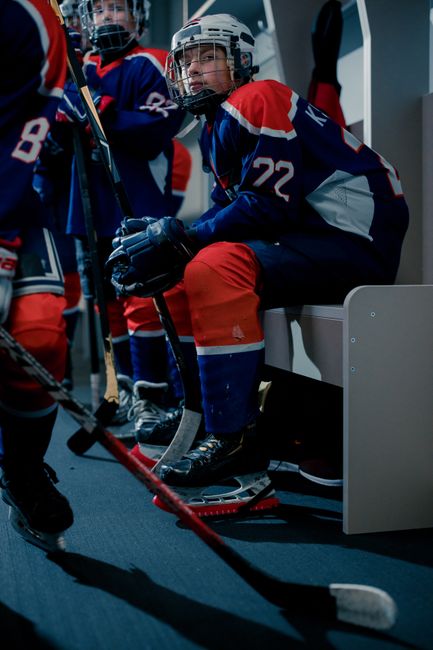
Saturday at a youth tournament. Parents in parkas and wool hats hold coffee in the stands, the rink is cold enough to see your breath, and in the locker room between periods the players are red-faced and dripping, steam rising off their shoulder pads. That’s the trick of hockey game day: the air is cold, but under all that gear players sweat as hard as athletes in summer sports, and many don’t drink or eat enough to match it. This page covers the pregame meal, how much hockey players really sweat, what to drink during periods and intermissions, how to use the break between periods, and how to get through a day with two or three games.
General information, not personal medical or nutrition advice. For a plan of your own, talk to a sports dietitian, doctor or athletic trainer. Back to the ice hockey hub.
The shape of a hockey game
Pro and college games are three 20-minute periods of stop-time, and the NHL’s intermissions run about 18 minutes. High school periods are often shorter: in Wisconsin, for example, school games use 17-minute periods with a 12-minute warm-up and 12-minute intermissions. Youth games vary by age and rink time. Within those periods, each player goes out for shifts of about 30 to 80 seconds at near-maximum heart rate, then sits on the bench. Over a game that adds up to roughly 15 to 25 minutes of ice time, mostly fueled by muscle glycogen. That’s why game-day fuel and fluid show up most in the third period.
Before the game: the pregame meal
The ACSM, Academy of Nutrition and Dietetics and Dietitians of Canada joint position suggests about 1 to 4 grams of carbohydrate per kilogram of body weight in the 1 to 4 hours before exercise longer than an hour, and keeping fat, protein and fiber moderate so the stomach stays calm. In practice:
- 3–4 hours before: a real meal built on carbohydrate, such as pasta or rice with chicken, or a turkey sandwich with fruit.
- 1–2 hours before: a smaller snack: a bagel, banana, granola bar or yogurt.
- Early-morning games: a 6 a.m. puck drop doesn’t leave time for a big meal. Have a light breakfast you know sits well (toast, a banana, a sports drink) and a bigger meal afterward.
- Arrive hydrated: the same position statement suggests drinking about 5–10 mL per kilogram of body weight in the 2–4 hours before, aiming for pale yellow urine.
Try game-day foods at practice first, never for the first time before a big game.
Hydration in a cold rink: you sweat more than you think
Canadian sports scientists have measured hockey sweat for years, and the numbers surprise people:
- Pros in practice: NHL and AHL players averaged about 2.0 liters of sweat per hour in on-ice practices; major junior players about 1.6 liters an hour.
- Juniors in a game: elite junior players lost about 3.2 liters of sweat in one game but drank only about 2.1 liters. One in three lost 1.8% to 4.3% of body weight. They also lost about 3.1 grams of sodium in sweat while taking in only about 0.8 grams.
- Women: in practice, Olympic-level players averaged about 1.0 liter an hour, college varsity players about 0.7 and recreational players about 0.4.
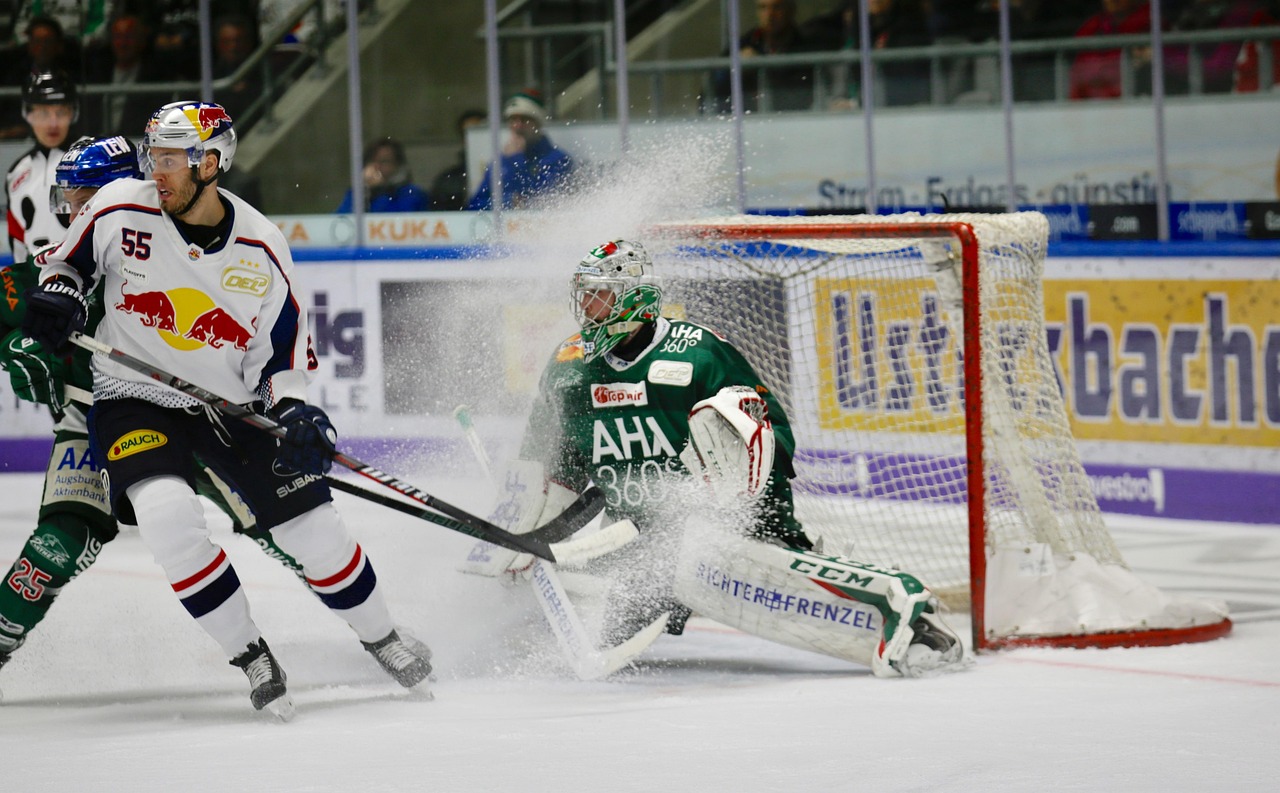
- Goalies: goaltenders wear the most gear and often lose 2% or more of body weight. In a study where goalies played a 70-minute scrimmage without fluid (losing about 2.4% of body weight), their core temperature, heart rate and effort rating were higher and their save percentage in the final 10 minutes was lower than when they drank water or a sports drink.
Many team-sport studies find performance starts to suffer around 1.5–2% body-weight loss. The simple fix is to learn your own sweat rate: weigh yourself in shorts before and after a game or practice, add what you drank, and that’s roughly what you lose. Heavy, salty sweaters (white marks on dark gear are a hint) often do better with a drink that contains sodium.
During the game: what to drink on the bench
In these studies, players mostly drank water during periods and saved sports drinks for before the game and intermissions. That’s a sensible pattern, with one change: get some carbohydrate in. Between 29% and 40% of junior, AHL and NHL players took in no carbohydrate at all during practice. In a lab study that simulated three periods of hockey, players who drank a carbohydrate-electrolyte sports drink did more work in the third period with a lower effort rating than when they let themselves dehydrate. The ACSM position suggests about 30–60 grams of carbohydrate per hour in stop-and-start sports lasting 1 to 2.5 hours.
- On the bench: a few sips of water after most shifts.
- Intermissions: a sports drink or an electrolyte mix with carbohydrate, especially in long or close games.
- Overtime: in one study, rinsing the mouth with a carbohydrate drink lifted high-intensity skating and peak speed in a 12-minute overtime compared with a placebo, in players who were already well hydrated.
A powder like Skratch Labs Hydration Sport Drink Mix (400 mg sodium and 19 g carbs per serving) covers fluid, salt and some fuel in one bottle. Nuun Sport tablets (300 mg sodium, 1 g sugar, Informed Choice tested) add salt with almost no sugar, so pair them with a snack. A big Nalgene 32 oz bottle in the bag makes it easy to track what you drink before and after. Our best electrolyte powders guide compares more.
Skratch Labs Hydration Sport Drink Mix
- 400 mg sodium
- 80 calories, 19 g carbs
- Real fruit flavor
Nuun Sport Tablets
- 300 mg sodium per tablet
- 1 g sugar
- Informed Choice
Nalgene Sustain 32 oz
- 32 oz, wide mouth
- Tritan, BPA-free
- Easy to track intake
Between periods: a simple routine
- Drink first: a sports drink or water plus a small carb snack if it’s a long game or you ate early.
- Stay warm and loose: after a long intermission, a few minutes of easy movement (leg swings, lunges, a short bike spin if there’s one) helps you start the next period ready.
- Fix the gear: re-tape, check the neck guard and mouthguard, change wet gloves or a soaked base layer if you have spares.
- Check on teammates: anyone with a headache, dizziness or confusion after a hit sits out. The CDC’s HEADS UP rule is to remove the player and keep them out until a healthcare provider clears them. More on our hockey injuries page.
Tournament days: two or three games
Weekend tournaments mean early games, long waits and rink food. Pack a cooler: sandwiches, bagels, fruit, pretzels, yogurt, chocolate milk, a big water bottle and a sports drink. When the next game is less than about 8 hours away, the ACSM position suggests about 1–1.2 g of carbohydrate per kilogram per hour for the first four hours, in small, regular snacks, plus some protein. Right after a game, have carbohydrate and protein (a sandwich and chocolate milk works), keep drinking, then a light carb snack 1–2 hours before the next puck drop. Between tournament days, a real dinner and an early bed matter most. Our hockey recovery guide covers the hours after.
Safety: electrolyte products add sodium. If you have heart or kidney disease, high blood pressure or are on a low-sodium diet, check with a doctor first. The American Academy of Pediatrics says energy drinks have no place in children’s and teens’ diets; that goes for the rink, too.
Keep going with hockey nutrition and supplements, training and the best hockey wearables, or compare with basketball game day, another indoor sport with lots of sweat.
Hockey game-day questions
What should a hockey player eat before a game?
A familiar, carbohydrate-rich meal 3–4 hours before, such as pasta or rice with lean protein, and a small snack like a bagel or banana 1–2 hours before. Keep fat and fiber moderate, and test it at practice first.
Do hockey players need to drink much if the rink is cold?
Yes. Studies measured about 2 liters of sweat an hour in NHL and AHL practices and about 3.2 liters over a junior game. The equipment traps heat. Weigh yourself before and after to learn your own needs.
Is a sports drink better than water for hockey?
Water is fine for short sessions. For full games, a sports drink adds carbohydrate and sodium: in a simulated three-period study, players did more work in the third period when they drank one compared with dehydrating. Many players drink water on the bench and a sports drink at intermissions.
What should hockey players eat between tournament games?
Carbohydrate plus some protein right after a game (a sandwich and chocolate milk), small carb snacks until the next game, and plenty of fluid. Pack a cooler instead of relying on the snack bar.
Do goalies need a different hydration plan?
Goalies carry the most gear and often lose 2% or more of body weight. A study found dehydrated goalies were hotter, more tired and saved fewer shots late in a scrimmage, so goalies should drink at every stoppage they can and at every intermission.