This article contains affiliate links: if you buy through them we may earn a commission, at no extra cost to you. Learn more.
A Tuesday-evening kids’ class: a row of eight-year-olds in rash guards doing forward rolls across the mat, a coach shouting “Tap, tap, tap!” as two of them practice an armbar in slow motion, parents watching through the glass with their phones out. A 14-year-old’s first jiu-jitsu tournament, hands shaking as she ties her belt. Kids love the energy of MMA, and many parents like what it teaches: discipline, fitness, confidence. But youth MMA covers everything from a no-contact fitness class to cage fights, and the risks are very different. Here’s what parents should know: the base sports kids usually start with, the age rules, what pediatricians say, and how to pick a safe gym.
What “youth MMA” usually means
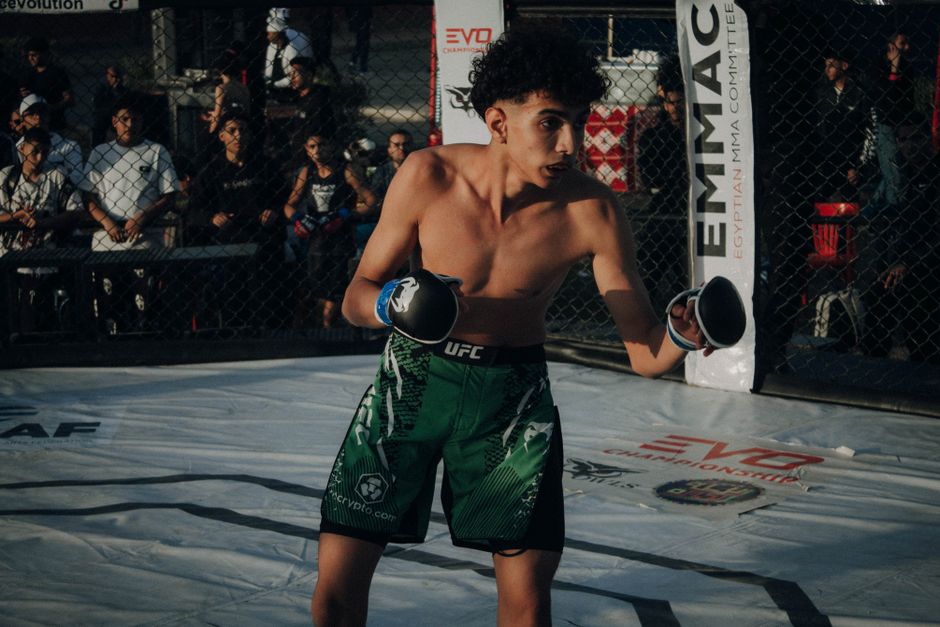
Most “kids’ MMA” programs teach the separate skills of the sport in age-appropriate ways: takedowns and escapes, grappling positions, controlled striking on pads, and lots of games. Few kids ever compete in MMA itself. That’s how it should be. The American Academy of Pediatrics (AAP), in its 2016 clinical report on martial arts, says martial arts can give children vigorous exercise and better fitness, and that kids should train only with instructors who understand a child’s limits by age, maturity, size and experience. It also says contact training and competition should wait until a child has shown the physical and emotional maturity for it, after learning the non-contact techniques.
The AAP draws a clear line on fighting itself: because MMA includes slams that drive the head into the floor and chokeholds, it says child and adolescent participation in MMA bouts that use these techniques should be strongly discouraged, because of the risk of concussion, asphyxia and other head and neck injuries. The AAP and the Canadian Paediatric Society also oppose boxing for children and teens because the sport rewards deliberate blows to the head.
The base sports, and when kids can start
- Wrestling: the most common base for American MMA fighters, with a full youth system. USA Wrestling groups kids in two-year age divisions starting at 8 and under, and middle and high schools have teams. Our youth wrestling page covers ages, skin checks and weight rules.
- Brazilian jiu-jitsu (BJJ): grappling and submissions with no striking. The International Brazilian Jiu-Jitsu Federation (IBJJF) has a separate belt (graduation) system for kids. It teaches the most important safety habit in MMA: tap early.
- Boxing: USA Boxing’s youth program starts at age 8 (see our youth boxing page). Its Prep divisions are Pee Wee (8 to 10), Bantam (11 to 12) and Intermediate (13 to 14), followed by Junior (15 to 16) and Youth (17 to 18). Pee Wee and Bantam bouts are three 1½-minute rounds, and headgear is required in all USA Boxing local, regional and national competitions.
- Muay Thai and kickboxing: striking with fists, feet, knees and (in Muay Thai) elbows. Kids’ classes usually train on pads and bags with shin guards; ask any gym how it handles contact and sparring for children.
A grappling sport is the gentlest start for most kids because there are no strikes to the head. Many young athletes do one combat sport alongside a team sport. In a clinical study of young athletes, specializing early in one sport, and training more hours a week than their age in years, was linked to a higher injury risk.
Youth MMA competition rules
When teens do compete in MMA, the best-known youth rules are IMMAF’s, used at its youth world championships and by many national federations. They’re very different from what kids see on TV:
| IMMAF age band | Ages | Bout length |
|---|---|---|
| Youth A (U18) | 16–17 | Three 2-minute rounds, 1-minute rest |
| Youth B (U16) | 14–15 | One 4-minute round |
| Youth C (U14) | 12–13 | One 3-minute round |
| Youth D (U12) | 10–11 | One 3-minute round |
- No strikes to the head or face in any youth age band, on top of the amateur bans on elbows, heel hooks, neck cranks and knees to the head.
- Extra limits for 10- and 11-year-olds: no knees at all, no strikes on the ground, no slams or elevated throws, no leg locks, no guillotine chokes and no wristlocks.
- Protective kit: 6 to 8 oz gloves supplied by the organizer, mandatory hand wraps, shin guards and a rash guard, a groin protector for boys and a mouthguard. Weigh-ins are on competition day, and youth athletes weigh in clothed.
- Safety stops: two knockdowns in a round ends the bout, and IMMAF’s rules remind officials that knockouts and concussions can still happen without head strikes, from falls, takedowns and body shots.
In the US, youth MMA competition isn’t regulated the same way everywhere. Before any event, ask who sanctions it, which rules it uses, whether head strikes are allowed, and whether a doctor will be ringside. If the answers are vague, skip it. More on rules on our MMA rules page.
Safety: how to choose a gym
- Separate kids’ classes with coaches who teach children, not adults’ classes with kids mixed in.
- Little or no head contact. The AAP supports rules that eliminate blows to the head, and it notes there’s no evidence soft headgear prevents concussion, so don’t let headgear become a reason to spar harder.
- A tap culture: partners let go the moment someone taps, and kids are taught to tap early.
- Clean mats. The National Athletic Trainers’ Association recommends cleaning mats on a set schedule with an EPA-registered disinfectant, showering right after training and never sharing towels or soap.
- A concussion plan. Coaches should know the CDC HEADS UP signs and remove any child who might have a concussion, with no return that day and only after a healthcare provider clears them.
- No weight cutting. The AAP’s 2017 report on healthy weight control warns young athletes in weight-class sports against rapid weight loss. Kids should compete at the weight they are.
And sleep: the CDC, citing the American Academy of Sleep Medicine, recommends 9 to 12 hours a night for children 6 to 12 and 8 to 10 hours for teens. For more on keeping young fighters healthy, see our MMA injuries page and the MMA guide.
Gear for a young athlete
For a first season, keep it simple: a mouthguard that fits, such as the Shock Doctor Gel Max (sold in youth and adult sizes); a kids’ rash guard such as the Elite Sports Kids Short Sleeve Rash Guard (about $17), which the maker says is suitable for IBJJF events; and, if the gym spars, headgear such as the RDX Kids Boxing Headgear (about $40), with an adjustable chin strap. Add shower shoes and the child’s own towel. Our MMA gear page has the full list.
Shock Doctor Gel Max Mouthguard
- Boil-and-bite gel-fit liner
- Breathing channels
- Detachable strap
Elite Sports Kids Short Sleeve Rash Guard
- Flatlock stitching
- Anti-slip waistband
- About $17
RDX Kids Boxing Headgear
- Triple-layer padding
- Adjustable chin strap
- About $40
Parents’ questions about youth MMA
What age can kids start MMA?
Many gyms take young children in fitness and grappling classes; there’s no single national rule. Organized competition in the base sports starts around 8 (USA Boxing’s minimum age is 8, and USA Wrestling’s youngest division is 8 and under). IMMAF’s youngest youth MMA band is 10 to 11, with no head strikes.
Is MMA safe for kids?
Training the skills with good coaches and little head contact can be a healthy activity. Fighting is different: the AAP strongly discourages kids and teens from MMA bouts with head strikes, slams and chokes.
Should my child spar?
Only after mastering the non-contact skills, and only in supervised, controlled sparring with partners of similar size and experience. Grappling rounds are lower risk than striking to the head. Ask the coach what the sparring rules are before your child joins.
Does headgear protect kids from concussions?
Not as far as the evidence shows. The AAP says padded headgear probably helps prevent cuts and bruises, but there’s no evidence it reduces concussion. Limiting head contact matters more.
Should my child cut weight for a tournament?
No. Growing athletes should compete at their natural weight. The AAP warns against rapid weight loss in young athletes; talk to your pediatrician or a registered dietitian with any weight questions.
The best youth MMA programs are really great wrestling, jiu-jitsu and striking programs with kind, careful coaches. Start there, and let the cage wait. For the adult side of the sport, see our MMA leagues and associations page, and for after-practice care, our jiu-jitsu recovery guide.