This article contains affiliate links: if you buy through them we may earn a commission, at no extra cost to you. Learn more.
Tech inspection, Saturday morning: an official turns your helmet over to read the sticker, tugs on your head-and-neck restraint, checks the tag sewn into your suit. Racing gear is the one place in sports where the rules tell you exactly what to buy, because it’s what stands between you and a crash or a fire. This guide to motorsports gear explains every rating you’ll see, Snell, SFI and FIA, and what to look for in each piece of racing safety gear: helmets, head-and-neck restraints, fire suits, gloves and shoes, karting and motocross protection, plus the recovery gear that helps after a long, hot race day.
Buying guide · Our Motorsports buying guide compares the gear we'd pick, with prices and sizing:
Prices change often. The prices below are what we saw at the maker or a major retailer in October 2026; check the current price before you buy.
The quick checklist: for cars, a Snell SA or FIA 8859 helmet, an SFI 38.1 or FIA 8858 head-and-neck restraint, an SFI 3.2A or FIA 8856 suit, and SFI 3.3 gloves and shoes. For karting, a Snell K, SA or youth CMR helmet, a CIK Level 2 suit, a neck brace, a rib or chest protector, gloves and racing shoes. For motocross, a DOT or ECE 22.06 helmet, goggles, a chest protector, knee braces or guards, and boots. Always check your series’ rulebook first.
Our top picks
Conquer Snell SA2025 Full Face Helmet
- Snell SA2025
- Fire-retardant interior
- About $230
Zamp RZ-67D Carbon Helmet
- Snell SA2025
- Carbon fiber shell
- About $567
Simpson Hybrid Sport Head and Neck Restraint
- SFI 38.1
- Sliding tether
- About $645
RaceQuip Chevron-5 Race Suit
- SFI 3.2A/5
- 2-layer, one piece
- About $306
RaceQuip Basic Race Shoes
- SFI 3.3/5
- Certified driving shoe
- About $110
K1 Race Gear Pro-Lite Rib Protector
- Hydro-formed shell
- Adjustable straps
- About $90
Leatt Chest Protector 2.5
- CE roost protection
- Back EN1621-2 Level 1
- About $149
Hyperice Normatec Go
- Calf compression sleeves
- 7 pressure levels
- About $379
Helmets: Snell, FIA and what the stickers mean
- Snell SA (Special Applications) is the auto-racing standard most US clubs and series use, with a fire-resistant lining and tough impact tests. Snell updates it every five years. SA2025 took effect October 1, 2025, lowering the maximum peak g allowed in impact tests from 300 g (SA2020) to 275 g and adding a harder first impact. Makers stop producing SA2020 helmets by the end of 2026, but SA2020 stays legal for years: SKUSA, for example, accepts 2020 helmets through December 31, 2030.
- Snell K is for karting (no fire-retardant lining required), and Snell-FIA CMR and CMS are youth karting standards, mandatory for drivers under 15 in international karting.
- FIA 8859 (and 8860 for top-level racing) is the international standard, usually required at FIA events. Snell SA isn’t automatically FIA-approved; if you race in both worlds, buy a dual-certified helmet.
- Motorcycle helmets are a different family: every motorcycle helmet sold in the US for road use must meet the federal DOT standard (FMVSS 218); many also carry ECE 22.06 (Europe) or Snell M2020. A car-racing helmet isn’t a motorcycle helmet, and vice versa.
Fit and care: a racing helmet should be snug all around, with no pressure points and no rolling forward or back when you push on it. Replace it after any significant impact, even if it looks fine. For club racing and track days, the Conquer Snell SA2025 Full Face Helmet has a fiberglass composite shell, a fire-retardant interior and a 3 mm shield with tear-off posts (about $230); the maker notes it isn’t for road motorcycle use. The Zamp RZ-67D is a carbon fiber SA2025 helmet for drivers who want a lighter head on a long stint (about $567).
Check the Conquer SA2025 helmet price on Amazon
Head-and-neck restraints (HANS and hybrids)
In a frontal crash, the shoulder belts hold the body but the head keeps going. A head-and-neck restraint tethers the helmet to a device held down by the belts, limiting that motion. NASCAR made them mandatory in October 2001, months after Dale Earnhardt’s fatal crash at the Daytona 500. In the US they’re rated to SFI 38.1, tested on a crash sled; internationally, to FIA 8858, and at FIA events any device attached to the helmet must be homologated and correctly paired with your helmet (look for the helmet’s mounting posts).
Classic HANS-style devices sit on the shoulders under the belts; “hybrid” designs add straps around the chest. Size by neck and seat angle, follow the maker’s fitting guide, and check that your belts are compatible. The Simpson Hybrid Sport is rated SFI 38.1, uses a sliding tether for more side-to-side movement and high shoulder wings to keep the belts in place, and comes with the hardware to mount it to your helmet (about $645).
Check the Simpson Hybrid Sport price on Amazon
Fire suits, gloves and shoes
SFI rates driver suits under SFI 3.2A by thermal protective performance (TPP): roughly how long the suit protects you from a second-degree burn in a fuel fire. An SFI 3.2A/1 suit (often single layer) gives about 3 seconds, 3.2A/5 about 10 seconds, and 3.2A/15 about 30 seconds. The number is a rating, not a count of layers. Your series sets the minimum; check before you buy. Internationally, FIA 8856-2018 covers suits, underwear, balaclavas, socks, gloves and boots, and that clothing expires 10 years after it was made. Fire-resistant underwear and socks add protection under any suit.
- RaceQuip Chevron-5: a two-layer, one-piece suit rated SFI 3.2A/5, in regular and tall sizes (about $306).
- G-Force G5 RaceGrip gloves: double-layer Nomex and leather, SFI 3.3/5 (about $60). Gloves should fit tight enough to feel the wheel with no loose fingertips.
- RaceQuip Basic Race Shoes: SFI 3.3/5-certified driving shoes (about $110). Racing shoes have thin soles so you can feel the pedals.
Fire suits trap heat: in a 2025 study, drivers’ core temperature reached about 38.5 °C in a real race with a cockpit around 41 °C. That’s why many drivers wear the lightest suit their series allows, and why F1 performance coaches say cooling and heat acclimation are routine. See our race day page for hydration and cooling.
Karting protection: neck, ribs and chest
Karts have no seat belts, roll cage or bodywork to speak of, so the driver wears the protection. SKUSA’s 2026 rules are a good template: a suit made for kart racing to CIK Level 2 that covers the legs and ankles, racing gloves and shoes, a neck brace in all junior classes, and an SFI-approved chest protector (SFI 20.1/1 up to age 8, 20.1/2 for ages 9–12, or FIA 8870-2018) for drivers 12 and under. Rib protectors aren’t required, but SKUSA “highly” recommends them because of the lateral forces in kart racing.
The K1 Race Gear Pro-Lite Rib Protector has a hydro-formed outer shell, a Velcro elastic front closure and adjustable shoulder straps (about $90). For a simple neck collar, the K1 Race Gear Neck Protector has an anatomically shaped rear helmet support and washable padding (about $35). Our youth motorsports guide covers kids’ sizes and helmets.
Check the K1 Pro-Lite Rib Protector price on Amazon
Motocross protection: chest, knees and more
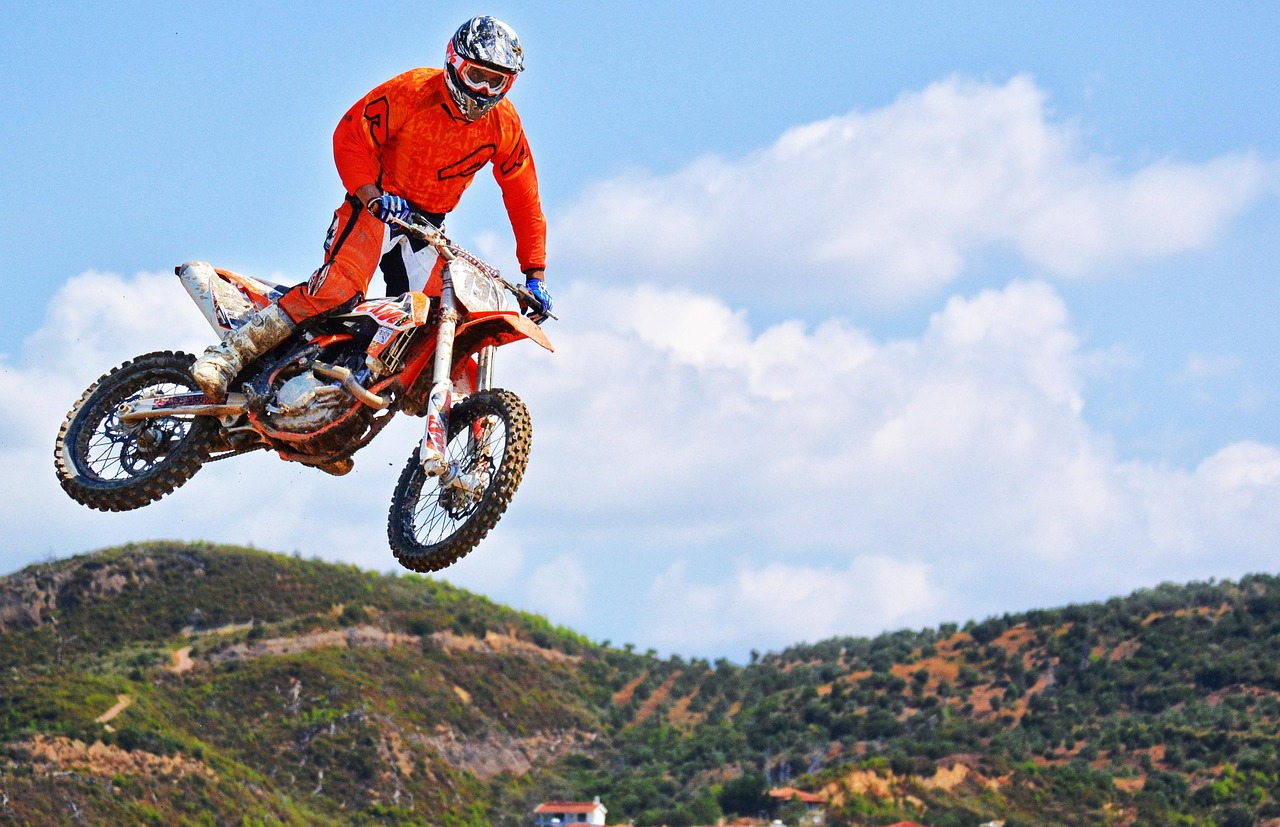
Motocross injuries are mostly broken bones, most often the forearm, collarbone, femur and tibia, according to a review of young riders, so riders armor up: a helmet, goggles, a chest and back protector against roost (flying dirt and rocks) and impacts, knee braces or knee guards, boots, gloves and elbow guards. The same review links expert helmet fitting with fewer concussion symptoms.
- Leatt Chest Protector 2.5: CE-tested roost protection with a padded chest base layer and EN1621-2 Level 1 back protection (about $149).
- Leatt C-Frame Hybrid knee brace: a stiff mono-hinge frame with three-point force distribution and a gel knee cup; Leatt says it’s designed to reduce forces linked to ACL, meniscus and MCL injuries (about $384, sold per knee). A knee brace isn’t a substitute for strong legs or a doctor’s advice after a knee injury; a sports medicine doctor or physical therapist can help you choose.
Recovery gear for race weekends
Racing leaves the neck, shoulders, forearms and legs tired, and the paddock means hours on your feet. Many drivers and riders use the Hyperice Normatec Go calf compression sleeves after a long day (about $379), a Hypervolt Go 3 massage gun on the shoulders, upper back and forearms (about $149; keep it off the front of the neck), and OOFOS OOahh slides after a day in racing shoes (about $60). For hot days, electrolyte tablets such as Nuun Sport are easy to keep in the trailer. These are comfort tools, not treatment; neck pain after a crash, numbness or pain that lingers needs a professional. Compare more in our compression boots, massage guns and recovery shoes guides, and our motorsports recovery page.
How to choose racing gear
- Start with the rulebook. Your club or series lists the exact standards and dates it accepts; tech inspectors check labels.
- Buy the helmet and restraint as a pair. A head-and-neck restraint needs anchors on the helmet, and FIA events require a homologated pairing.
- Mind the dates. Helmets are accepted for a set period after each Snell standard, and FIA 8856-2018 clothing expires 10 years after manufacture.
- Fit beats features. A snug helmet, a suit that doesn’t bind when you’re seated, gloves with no loose fingertips.
- Replace after a crash. Helmets after a significant impact, and anything burned, torn or cracked.
More on the motorsports hub, the rules page for flags and licenses, motorsports injuries, and our recovery tools guide. For comparison, see soccer gear.
Motorsports gear FAQs
What’s the difference between Snell SA2020 and SA2025?
SA2025 is stricter: the maximum peak g allowed in impact tests dropped from 300 to 275, and the first impact at each test site is harder. SA2025 helmets went on sale October 1, 2025. SA2020 helmets remain legal in many series until the end of 2030; check yours.
Can I use a motorcycle helmet for car racing or track days?
Sometimes. SCCA’s track day rules accept recent Snell M (motorcycle) helmets as well as SA and FIA helmets. But motorcycle helmets aren’t built to the SA standard’s fire-resistance requirements and usually can’t take head-and-neck restraint anchors, so for wheel-to-wheel car racing use an SA or FIA helmet.
What does SFI 3.2A/5 mean on a fire suit?
It’s the suit’s thermal protection rating. A /5 suit gives roughly 10 seconds before a second-degree burn in a fuel fire; /1 about 3 seconds and /15 about 30 seconds. The number isn’t the count of layers.
Do I need a HANS device for track days?
Usually not. SCCA’s track day rules require an approved helmet but not a head-and-neck restraint or fire suit. Wheel-to-wheel racing is different: NASCAR has required one since 2001, FIA events require an FIA 8858 device, and many club series require SFI 38.1 or FIA 8858, used with a racing harness as the maker directs. Check your event rules.
Do kart drivers need a rib protector?
In SKUSA it’s highly recommended but not required for most drivers; drivers 12 and under must wear an SFI-approved chest protector. Many karters wear a rib protector at every level because of the side loads in corners.