This article contains affiliate links: if you buy through them we may earn a commission, at no extra cost to you. Learn more.
It usually starts at a rental track on a birthday. Your kid climbs out of the kart grinning, helmet hair everywhere, and asks the question every racing family remembers: “Can I do this for real?” For most young drivers, “for real” means karting for kids: small, very fast machines on purpose-built tracks, and the first step for nearly everyone who ends up racing cars. This guide to youth motorsports covers when kids can start, what it costs, the safety gear the rules require, the health side, and the questions parents ask most.
When can kids start racing?
| Age | Where they race |
|---|---|
| 5–8 | Kid Kart at many local clubs: Road America’s karting program starts at 5, and the WKA has Kid Kart for children as young as five or six. |
| 7–10 | SKUSA Micro Swift (national series require drivers to be at least 7, unless they have a year of verifiable racing experience). |
| 8–12 | FIA’s Champions of the Future Academy Mini 60 class, an arrive-and-drive series in identical karts. |
| 9–13 | SKUSA Mini Swift. |
| 12–15 | Junior classes (SKUSA X30 Junior and KA100 Junior; FIA OK-Junior). |
| 15 and up | Senior and shifter karts; at 16, club car racing with the SCCA becomes possible (14- and 15-year-olds with karting experience are considered case by case). |
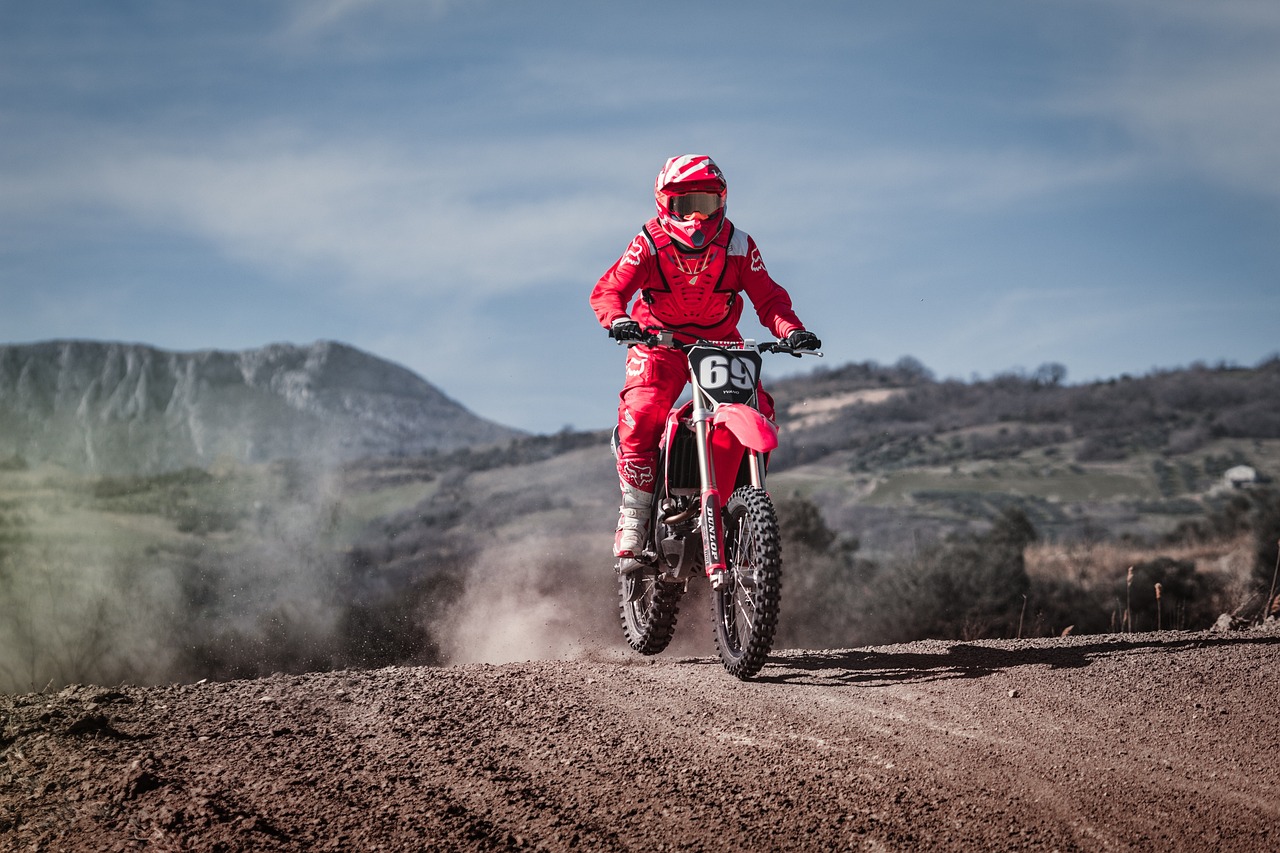
Ages are set by each club and series, and in SKUSA a driver’s “racing age” is their age on January 1. Many families start with a local club’s practice days and a few club races before thinking about regional or national series. Motocross also has very young racers, but the American Academy of Pediatrics (AAP) recommends that no child under 16 ride off-road vehicles, including dirt bikes (more below).
What karting costs
Karting is the cheapest way into racing, but it isn’t cheap. Road America’s beginner’s guide gives these rough prices for new karts:
- Kid Kart: about $2,000.
- Briggs 206 kart (a popular four-stroke class): about $3,000; a Yamaha KT100 about $3,500.
- TaG (touch-and-go) kart: about $6,000; a six-speed shifter about $8,000.
- Used karts: typically about half the price of new.
- Running costs: about $130 a year for club membership, about $30 per race night, about $40 for an open practice day, and about $250 for a transponder for timing.
- Safety gear: $300 or more for the basics.
Add tires, fuel, parts, travel and a way to haul the kart, and national-level racing costs far more. Arrive-and-drive programs, where the track or a team supplies the kart, let families try racing before buying anything.
The safety gear young drivers need
Karting rulebooks are specific. Here’s what Superkarts! USA (SKUSA) requires in its 2026 rulebook, which many clubs follow closely; check your own club’s rules too.
- Helmet: a current Snell or FIA rating. For kids there are youth standards (Snell CMR or CMS 2016, SFI 24.1), which international karting makes mandatory for drivers under 15; SKUSA notes these are intended for children and adults should use a full-size standard. Snell K, M and SA 2020 helmets are accepted through 2030. A helmet must fit snugly; get help from someone who knows racing helmets.
- Neck brace: mandatory in all SKUSA junior classes, made for racing and with its foam insert intact. Losing it on track brings a black flag.
- Chest protector: required for drivers 12 and under and in Micro and Mini Swift: SFI 20.1/1 up to age 8 and SFI 20.1/2 for ages 9–12, or an FIA 8870-2018 protector.
- Rib protector: not required in SKUSA, but “highly recommended”: the rulebook calls the lateral forces in kart racing “a serious concern.”
- Suit, gloves and shoes: a suit made for kart racing to CIK Level 2 that covers the legs and ankles when seated (no jacket and jeans), racing gloves, and racing shoes. Long hair goes inside the helmet, and no hoodies.
Good starting points: the Zamp RZ-42Y Youth helmet, certified to Snell CMR2016; the Team Valhalla 360 Plus youth neck collar (about $26 on Amazon in October 2026), from the Valhalla 360 family that SKUSA names as an accepted alternative in its neck brace rule; and the K1 Race Gear Pro-Lite Rib Protector (about $90), which comes in sizes down to 3X-Small. Check whether your child’s class needs an SFI-rated chest protector as well. Our motorsports gear page explains every rating.
Zamp RZ-42Y Youth Racing Helmet
- Snell CMR2016
- Lightweight youth shell
- Sizes from 52 cm
Team Valhalla 360 Plus Youth Neck Collar
- Glass-filled nylon core
- Limits hyper-flexion and side motion
- About $26
K1 Race Gear Pro-Lite Rib Protector
- Hydro-formed rib shell
- Adjustable shoulder straps
- About $90
Nuun Sport Electrolyte Tablets
- 300 mg sodium per tablet
- 1 g sugar
- Informed Choice (maker)
Kids’ health in motorsports
Racing has real risks, and it helps to know them. This is general information, not medical advice; talk with your child’s doctor, and see a sports medicine physician, physical therapist or athletic trainer for injuries.
- Karting crashes: a national study of US emergency departments estimated 34,561 go-kart-related head, neck and spine injuries from 2004 to 2023. Nearly two-thirds were in people 18 and under, more than half involved the head, and concussion was about 17% of them. That’s why helmets, neck braces and chest protection are not optional.
- Motocross: children as young as 4 race, and a review of young riders found injuries are mostly broken bones, especially the forearm, collarbone, femur and tibia, with many needing surgery. At one week-long amateur motocross event studied over 10 years, a quarter of injured children were admitted to the hospital. The AAP recommends no off-road vehicle riding, including dirt bikes, for children under 16, and the review authors urge age-appropriate training, constant adult supervision and expert helmet fitting for families who choose it.
- Heat: a race suit and helmet trap heat. Have kids drink regularly through the day, rest in the shade between sessions, and stop at any sign of heat illness (dizziness, confusion, headache or nausea).
- Fitness to race: SKUSA bars drivers whose medical condition makes racing unsafe, and the SCCA requires a doctor-completed medical form for minors. A yearly sports physical is a good habit.
Concussion: recognize and remove
The CDC’s HEADS UP program asks parents and coaches to watch for a child who seems dazed, confused or forgetful after a hit, or who has a headache, dizziness, nausea, balance problems or sensitivity to light or noise. Take them off the track for the rest of the day, get them checked by a healthcare provider, and return to racing only when cleared, step by step. Call 911 for danger signs: seizures, passing out, growing drowsiness, a worsening headache, repeated vomiting or one pupil larger than the other. Replace the helmet after a significant impact. More on our motorsports injuries page.
Training, food and sleep for young racers
Young drivers don’t need a pro program. Other sports build the fitness, balance and coordination racing uses, and simple core and neck exercises, taught by a coach or physical therapist, help kids handle the forces in a kart. At the track, pack familiar food and plenty of water; on hot days many families add an electrolyte drink such as Nuun Sport (see our electrolyte powder guide). Sleep matters most of all: the CDC recommends 9–12 hours a night for children 6 to 12 and 8–10 for teens. See our training and race day pages.
Parents’ questions about youth motorsports
What age should my child start karting?
Kid Kart classes start at about 5 at many clubs, and national series such as SKUSA start at 7. A good first step is an arrive-and-drive program or a club practice day to see whether your child enjoys it.
How much does a season of karting cost?
For local club racing, plan on the kart (about $2,000 new for a Kid Kart, about half that used), $300 or more for safety gear, about $130 a year for club membership and about $30 per race night, plus tires, fuel and parts. Regional and national racing cost much more.
Is karting safe for kids?
Organized kart racing has strict gear rules (certified helmets, neck braces and chest protectors for young drivers) and officials at every event, but crashes and injuries happen, and head injuries are the main concern. Use the required gear, make sure the helmet fits, and follow the concussion steps above every time.
Can my child use an adult helmet?
It depends on the rules, but a youth helmet is usually the right choice. Youth standards such as Snell-FIA CMR2016 are built for young drivers: international karting (CIK-FIA) makes them mandatory for drivers under 15, and SKUSA says youth helmets are intended for children while adults use a full-size standard. Follow your club’s rule and get the helmet fitted by someone who knows racing helmets.
How do kids go from karting to racing cars?
Usually through junior and senior karting, then a car series such as USF Juniors (part of the scholarship ladder to IndyCar) or Formula 4, or SCCA club racing from 16. Our leagues and associations page maps the paths.
Back to the motorsports hub, or read the rules and flags your child will learn first. Parents of kids in other sports may like our youth soccer guide too.