This article contains affiliate links: if you buy through them we may earn a commission, at no extra cost to you. Learn more.
Sunday morning in the paddock: a karting club’s trailers lined up next to the fence, a dad checking tire pressures, a kid in a race suit eating a granola bar. A few hours away, a NASCAR crowd is filing into the speedway, and on the other side of the world an F1 team is setting up in the pit lane. They all race under someone’s rules. This guide to motorsports leagues and associations explains who’s who: the world governing bodies, the pro series, the ladders young drivers climb, and the clubs, karting bodies and track-day groups where most people actually race.
World governing bodies: FIA and FIM
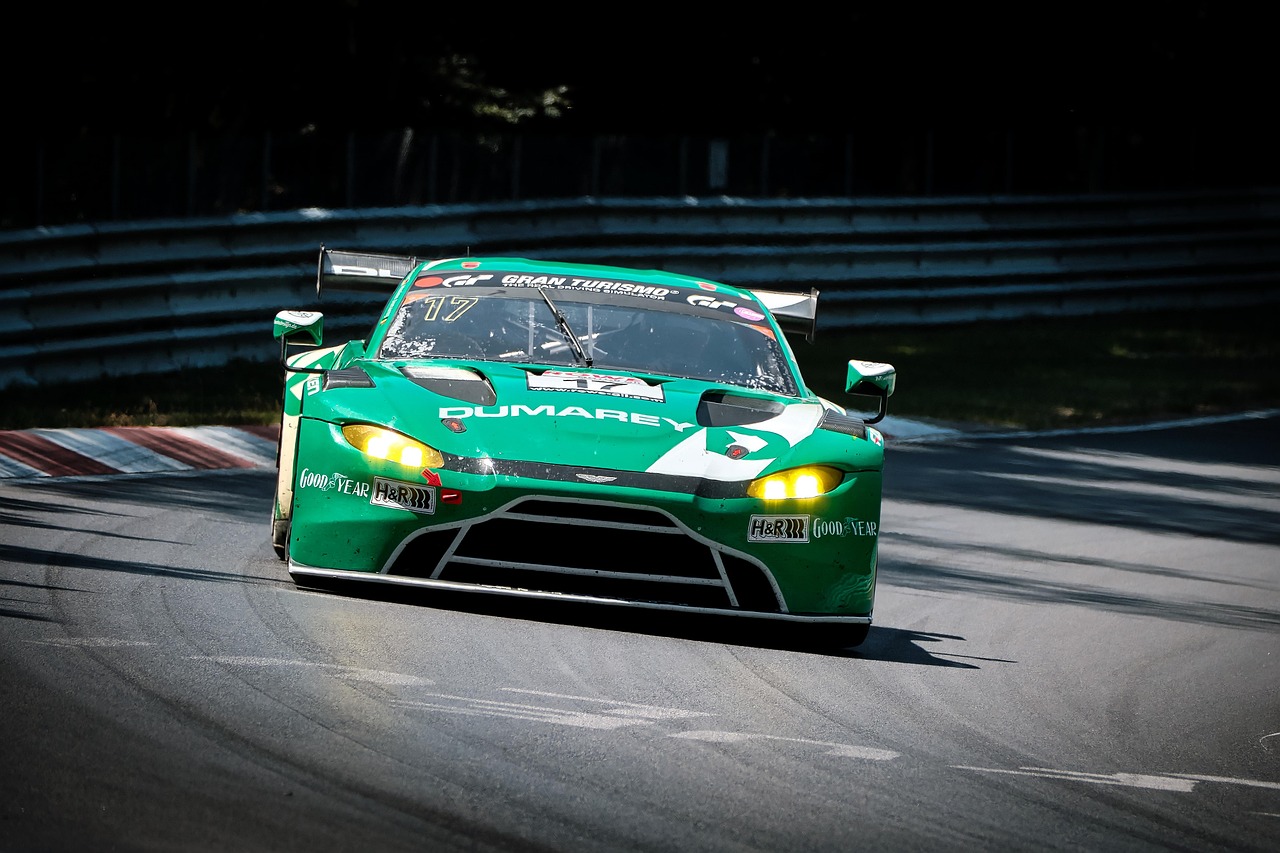
The FIA (Fédération Internationale de l’Automobile) governs world motor sport on four wheels. It was founded in Paris in 1904, and today brings together 246 member organizations from 149 countries. The FIA runs the Formula 1 World Championship, Formula 2 and Formula 3, the World Endurance and World Rally championships, international karting, and the FIA Motorsport Games, where nations race for medals. It also writes the safety standards for helmets (8859, 8860), head-and-neck restraints (8858) and clothing (8856) used around the world.
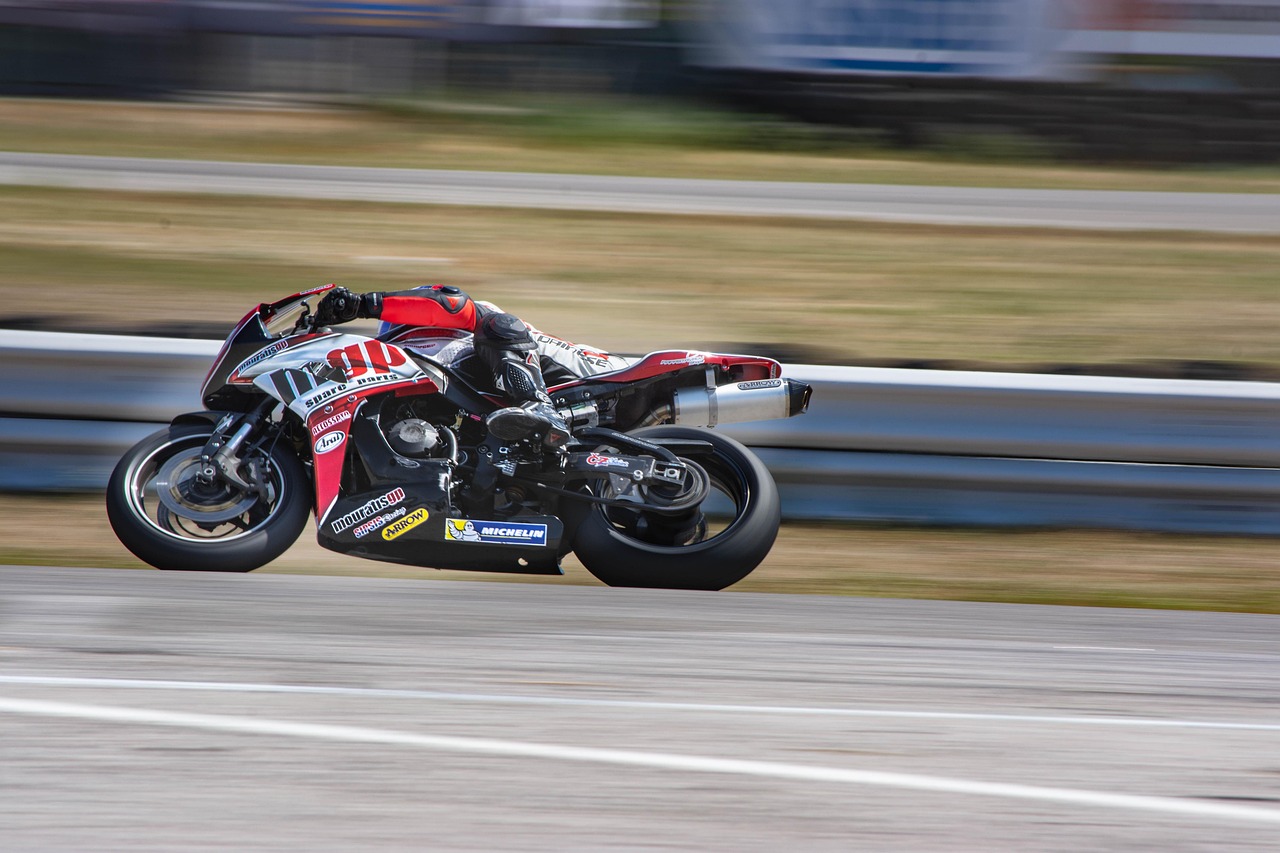
The FIM (Fédération Internationale de Motocyclisme), also founded in 1904, governs motorcycle sport through 122 national federations and is recognized by the International Olympic Committee as the sport’s authority. It sanctions MotoGP and the motocross world championships. In the US, the American Motorcyclist Association (AMA), founded in 1924, is the FIM’s national federation and sanctions supercross, motocross and thousands of amateur events.
The pro series
| Series | What it is | 2026 season |
|---|---|---|
| Formula 1 | FIA world championship for single-seaters | 11 teams, 22 drivers (Cadillac joined); 22 Grands Prix after two cancellations |
| NASCAR Cup Series | Top US stock-car series | 36 points races, Daytona 500 to Homestead-Miami; “The Chase” is back (16 drivers, 10 races) |
| NTT INDYCAR SERIES | Top US open-wheel series | 17 races on ovals, road and street courses; 110th Indianapolis 500 on May 24 |
| IMSA WeatherTech SportsCar Championship | North American sports-car and endurance racing | Four classes (GTP, LMP2, GTD PRO, GTD); 61 entries at the Rolex 24 at Daytona |
| MotoGP | FIM world championship for road-racing motorcycles, with Moto2 and Moto3 | 22 rounds; Saturday Sprint plus Sunday Grand Prix |
| SuperMotocross (AMA Supercross + Pro Motocross) | US stadium supercross and outdoor motocross | 17 Supercross rounds (January–May) and 11 Pro Motocross rounds, then 3 playoff rounds |
NASCAR has more than the Cup Series: the O’Reilly Auto Parts Series and Craftsman Truck Series are its other national divisions, and its regional and grassroots series include the ARCA Menards Series, the Whelen Modified Tour and the NASCAR Advance Auto Parts Weekly Series at local short tracks. Supercross awards titles in the 450 class and in 250 East and 250 West.
The ladders: how drivers move up
- To IndyCar: the USF Pro Championships (formerly the Road to Indy) run USF Juniors, USF2000 and USF Pro 2000, leading to Indy NXT. Each champion earns a scholarship to move up; for 2026, about $250,000 for the USF Juniors champion, $405,000 for USF2000 and $595,000 for USF Pro 2000. The program has awarded more than $29 million in scholarships.
- To F1: karting, then national and regional Formula 4 championships, FIA Formula 3 and Formula 2. Drivers need an FIA Super Licence: 40 points from these series over three seasons and an age of 18. F1 Academy is an all-women series on the same weekends as many Grands Prix.
- To NASCAR: short-track late models, the ARCA Menards Series, then the Truck and O’Reilly Auto Parts Series.
- To MotoGP: junior road racing, the FIM Moto3 Junior World Championship and the Red Bull MotoGP Rookies Cup, then Moto3 and Moto2. Riders must be 18 for the world championship, 17 for the junior champion or Rookies Cup winner.
- To pro motocross: amateur racing, with the AMA Amateur National Motocross Championship at Loretta Lynn’s Ranch in Tennessee, held since 1982, as the big stage.
Karting bodies
Karting is where the ladders start, and in the US it runs through several sanctioning bodies plus hundreds of local clubs:
- Superkarts! USA (SKUSA): sprint karting’s national Pro Tour and the SuperNationals in Las Vegas. Classes run from Micro Swift (ages 7–10) and Mini Swift (9–13) to junior, senior, shifter and masters classes. Its rulebook sets the gear many clubs copy: helmets, CIK Level 2 suits, neck braces for juniors and chest protectors for drivers 12 and under.
- World Karting Association (WKA): founded in 1971 and based in Concord, North Carolina, next to Charlotte Motor Speedway; it calls itself the largest karting sanctioning body in North America. It sanctions sprint, road-course endurance and dirt oval racing, from Kid Kart for children as young as five or six to adult heavy classes.
- Local clubs and tracks: where nearly every karter starts. Road America’s beginner’s guide lists about $130 a year for club membership, about $30 per race night and about $40 for an open practice day.
- FIA Karting: international championships and licenses; the Champions of the Future Academy arrive-and-drive series puts drivers from age 8 in identical karts.
Clubs and track days for adults
The Sports Car Club of America (SCCA) was founded in Boston in 1944 and now has more than 50,000 annual members, plus about 20,000 weekend members, in 115 regions. It runs autocross (called Solo), track days and Track Night in America, time trials, RallyCross and road rally, and club racing, with its national championship, the Runoffs. It also runs a teen car-control program, Street Survival. The National Auto Sport Association (NASA), founded in 1991, runs high-performance driving events (HPDE) in four levels, time trials and club racing series across the country.
A track day or HPDE is the easiest way in: you drive your own car on a real circuit in a group matched to your experience, with no racing and passing only where allowed. At SCCA track days you need a club membership (one-weekend memberships count), a valid driver’s license, a car that passes the safety inspection and an approved helmet. Our motorsports rules page covers flags, licenses and gear rules.
Joining any of them: what your body needs
Every one of these organizations asks the same of its drivers and riders: safe gear and fitness to race. SKUSA bars drivers whose medical condition makes racing unsafe; the SCCA asks minors and drivers 60 and over for a doctor-completed medical form. Heat and neck strain are real even at club level, so plan your fluids (an electrolyte drink like Nuun Sport helps on hot days) and train your neck and core; see our motorsports training page and injuries page. For gear, start with a current-rated helmet, such as the Conquer Snell SA2025 Full Face Helmet (about $230 on Amazon in October 2026), and for karting a rib protector such as the K1 Race Gear Pro-Lite (about $90). After the weekend, OOFOS OOahh slides (about $60) are a favorite for feet that spent all day in racing shoes.
Conquer Snell SA2025 Full Face Racing Helmet
- Snell SA2025 certified
- Fire-retardant interior
- About $230
K1 Race Gear Pro-Lite Rib Protector
- Hydro-formed rib shell
- Adjustable shoulder straps
- About $90
Nuun Sport Electrolyte Tablets
- 300 mg sodium per tablet
- 1 g sugar
- Informed Choice (maker)
More: the motorsports hub, our youth motorsports guide for parents of young karters, the motorsports gear page, our electrolyte powder guide, and, for comparison, soccer’s leagues and associations.
Motorsports leagues FAQs
What is the difference between the FIA and F1?
The FIA is the governing body: it writes the rules, runs the championship and licenses drivers. Formula 1 is the championship itself, with its commercial side run by Formula One Group. The FIA also governs many other series, from Formula 2 to world rallying and karting.
Who runs motorcycle racing in the US?
The American Motorcyclist Association (AMA), the FIM’s national federation in the US, sanctions supercross, motocross and thousands of amateur events. The pro AMA Supercross and Pro Motocross championships combine into the SuperMotocross World Championship.
How do I start racing as an adult?
Try autocross or a track day first with the SCCA or NASA, using your own car, or join an adult karting league or arrive-and-drive program. When you’re ready to race wheel to wheel, an SCCA Novice Permit and drivers’ school are the next step.
What is the biggest karting organization in the US?
The World Karting Association (WKA) calls itself the largest karting sanctioning body in North America, and SKUSA runs the best-known national sprint series and the SuperNationals. Most karters start at a local club that races under one of their rulebooks.
Is there college motorsports?
Not as an NCAA sport. Young racers come up through karting and the ladder series, often with scholarships such as the USF Pro Championships awards, while many still in school drive in club racing and track days.