This article contains affiliate links: if you buy through them we may earn a commission, at no extra cost to you. Learn more.
The boathouse smells of river water and old sweat, and the rower’s bag says a lot about the season: a unisuit still damp from Saturday, a roll of tape with a few torn strips hanging off it, pogies for the cold mornings, a water bottle, and a heart rate strap for erg day. Rowing is kind to beginners because the club owns the expensive stuff. The boats, oars and even the shoes belong to the boat. This rowing gear guide covers what rowers do buy: indoor rowers for home training, racing unisuits, shoes and socks, hand care and gloves, life jackets for coaches and launches, sun and heat gear, and the recovery gear worth packing.
Buying guide · Our Rowing buying guide compares the gear we'd pick, with prices and sizing:
Prices change often. The prices below are what we saw at the maker or a major retailer in October 2026; check the current price before you buy.
Our top picks
Concept2 RowErg (PM5)
- PM5 monitor included
- 500 lb max user (maker)
- Splits in two for storage
Crewroom Pogies
- Waterproof, wind-resistant shell
- Fleece lining
- 3 pieces: sculling or either sweep side
Onyx MoveVent Dynamic Paddle Vest
- USCG and Transport Canada approved
- 90 lb and over
- Reflective trim, whistle
Onyx M-16 Belt Pack Inflatable Life Jacket
- USCG approved, ages 16+
- Manual inflation, 16 g CO2
- Fits up to 52 in waist
Polar H10 Heart Rate Sensor
- Bluetooth and ANT+
- Pairs with the Concept2 PM5
- Up to 400 h battery
What the club provides
Shells, oars, launches, ergs and the shoes fixed to each boat’s footboard come with the club or school. Before you buy anything, ask what the program supplies and what the team orders together (many teams order unisuits and team gear in their colors). Masters and scullers who want their own boat later should talk to their coach before shopping.
Indoor rowers
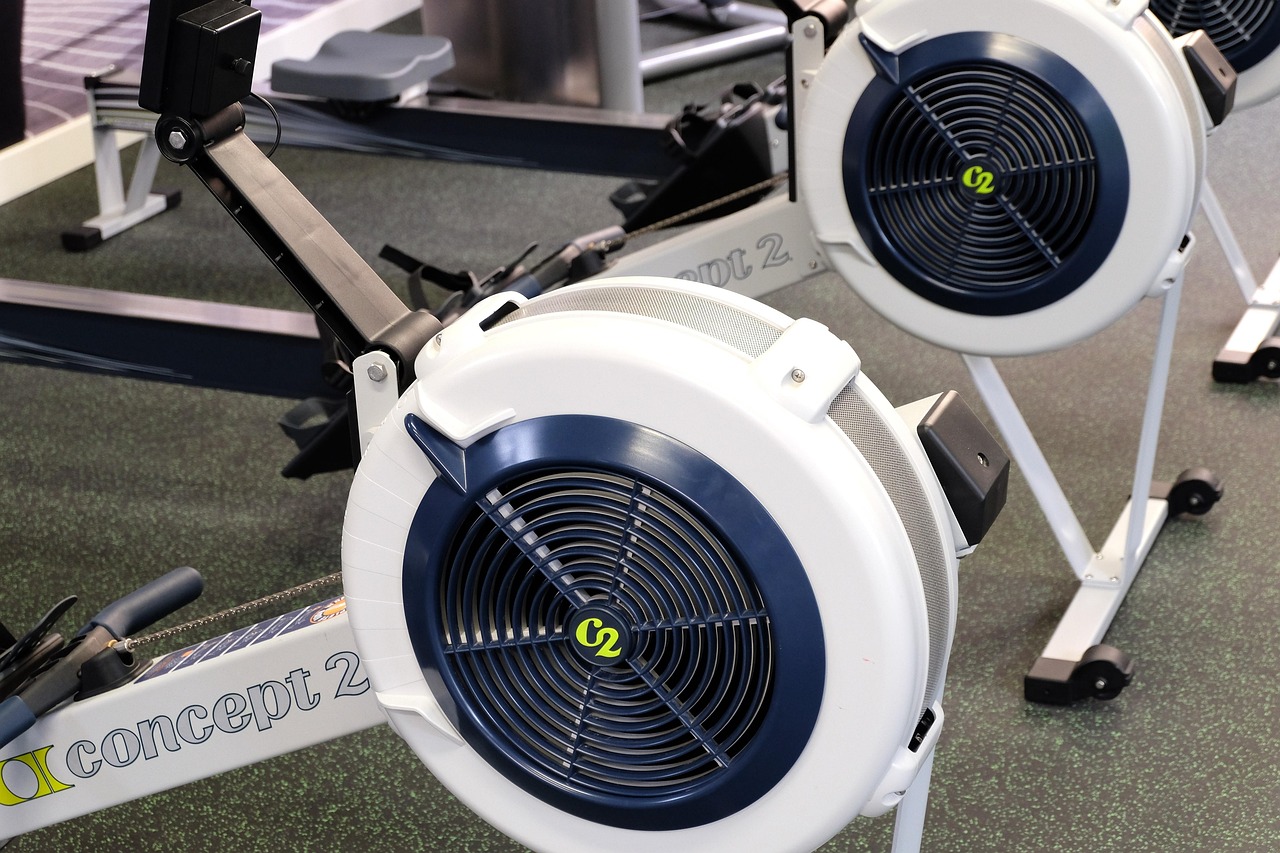
The Concept2 RowErg is the erg you’ll find in nearly every boathouse, and it’s the one that counts for Concept2’s online rankings and World Rowing’s indoor championships. Concept2 lists it at $990 with standard legs (14-inch seat height) or $1,155 with tall legs (20 inches), with a 500 lb maximum user weight. It needs about 9 × 4 feet of space when in use and separates into two pieces to store. The PM5 monitor shows pace per 500 m, records workouts and, Concept2 says, connects to Bluetooth and ANT+ heart rate straps.
If you want guided classes on a screen, the Hydrow Wave is a smaller, magnetic-resistance rower with a 16-inch touchscreen; its Amazon listing gives 80 × 19 × 43 inches, 102 lb and a 375 lb user limit. Its classes need a Hydrow membership, so add that to the cost. For rowers training for the water or chasing a 2k time for college, the Concept2 is the safer bet because results compare directly with everyone else’s.
Check the Concept2 RowErg price on Amazon
Unisuits and what to wear
Rowing clothes have one rule: nothing loose. Baggy shorts and shirts catch in the seat slide or on the oar handle. For practice, wear close-fitting shorts or tights and wicking tops, with thin layers and a hat on cold mornings. USRowing warns that many heavy layers are dangerous for coxswains in a capsize; it suggests anti-exposure suits for keeping a cox warm instead.
For racing, crews wear a unisuit, a one-piece, close-fitting racing suit, usually in team colors. Two US makers dominate: Boathouse, whose unisuits are worn by the US national and Olympic teams, with standard unisuits at about $88, and JL Racing, whose custom team unisuits start at about $59. Teams usually order together, so ask before buying your own.
Shoes and socks
You don’t buy rowing shoes as a beginner: they’re bolted to each boat’s footboard, and you step into them in socks. What matters is that they let go. World Rowing’s rules say every rower must be able to get clear of the boat without delay, and shoes that stay in the boat need a heel restraint on each shoe so the heel can’t lift more than about 3 inches. Check your heel ties before every outing. Bring thin, dry socks (wet boathouse shoes are cold) and flat athletic shoes for land training and the walk to the dock. After practice, slip into recovery slides like the OOFOS OOahh (about $60, washable, APMA Seal of Acceptance), which handle a wet dock well.
Hands: tape, pogies and gloves
Every rower gets blisters at first. Advice collected by World Rowing: keep a loose, relaxed grip, clean the oar handles after workouts, build up rowing time gradually so calluses form, and keep any open blister clean, because infected hand wounds can become serious. A hand that turns red, hot or swollen needs a doctor, not more tape.
- Tape: many rowers tape hot spots before practice. Cut the tape rather than tearing it, put it on 20–30 minutes before you row so it sticks, and cover a blister with a bandage before taping over it. An athletic tape like Mueller MTape (1.5-inch rolls, two per pack) does the job.
- Pogies: mitts that go over your hand and the oar handle, so you still hold the wood (or carbon) directly. The Crewroom Pogies have a waterproof, wind-resistant soft-shell with a fleece lining, and come as three pieces so they work for sculling or either side in sweep rowing.
- Gloves: most rowers on the water skip them to keep feel for the oar, but some wear thin non-slip gloves, especially on the erg. Try them in practice first.
- Chafing: long sessions can rub at the seat and seams. An anti-chafe balm like Body Glide Original (about $11, plant waxes, no petroleum) helps.
Check the Crewroom Pogies price on Amazon
Life jackets for coaches and launches
Racing shells don’t carry rowers in life jackets, which is why the launch matters. USRowing’s Safety Guidelines ask that the coaching launch carry a life jacket for every rower and coxswain in the coach’s care, that everyone in the launch wear one, and that it also carry a throwable flotation device, a paddle, a first aid kit, emergency blankets and a horn or whistle. Single scullers rowing without supervision carry a life jacket in the boat.
- Foam vest: floats without doing anything, which is what you want for non-swimmers, teens and spare jackets in the launch. The Onyx MoveVent Dynamic is US Coast Guard and Transport Canada approved, sized XS/S to XL/2XL for people 90 lb and over, with a mesh back, reflective trim and a whistle.
- Inflatable belt pack: the slimmest option for a coach in a launch all day. The Onyx M-16 is Coast Guard approved for people 16 and older and over 80 lb; you pull a handle to inflate it with a 16-gram CO2 cartridge. The Coast Guard’s boating safety program doesn’t recommend inflatables for non-swimmers or anyone under 16, so don’t use them as the spares for athletes.
- Cold weather: USRowing suggests anti-exposure coveralls for coxswains rather than bulky layers.
Check the Onyx MoveVent Dynamic price on Amazon
Sun, heat and water
USRowing’s heat advice: drink before you leave the dock, take your own bottle in the boat, wear sunscreen and a hat or visor, and choose light, wicking clothes. A wide-mouth bottle like the Nalgene Sustain 32 oz fits a boat’s bottle spot or a launch, and a water-resistant mineral sunscreen like Blue Lizard Sport SPF 30+ holds up to sweat and spray. On long, hot days many rowers add an electrolyte tablet like Nuun Sport (300 mg sodium, Informed Choice certified); see our electrolyte powder guide.
Recovery gear for rowers
Big erg weeks and two-a-days leave legs, glutes and the upper back tight. A foam roller such as the TriggerPoint GRID (about $40) works hips, glutes and the upper back; a small massage gun like the Hypervolt Go 3 (about $149) or Theragun Mini (about $220) fits a regatta bag; and calf boots like the Normatec Go (about $379) are a treat after a long weekend. These are comfort tools, not treatment: back or rib pain that lasts needs a sports medicine doctor, physical therapist or athletic trainer. Compare more in our best foam rollers, best massage guns and best compression boots guides, and see the rowing recovery page for the routine.
TriggerPoint GRID 1.0 Foam Roller
- 13 x 5 in
- Multi-density surface
- Hollow core keeps its shape
OOFOS OOahh Slide
- OOfoam slide
- APMA Seal of Acceptance
- Machine washable
Nalgene Sustain 32 oz Wide Mouth
- 32 oz, wide mouth
- BPA-free Tritan
- Made with 50% plastic-waste material
Back to the rowing hub, or see the best rowing wearables, rowing rules and safety, youth rowing and swimming gear for cross-training.
Rowing gear questions
What gear do you need to start rowing?
Very little: close-fitting athletic clothes, socks, a water bottle, sunscreen and a hat. The club or school provides boats, oars and the shoes in the boat. A unisuit comes later, usually as a team order.
Which indoor rower do rowers use?
The Concept2 RowErg. It’s the machine used for Concept2’s world rankings and World Rowing’s indoor championships, and college coaches compare 2k times on it. It lists at $990 with standard legs.
Do rowers wear gloves?
Mostly not on the water, because rowers want to feel the oar. Tape protects hot spots, and pogies keep hands warm in winter while you still grip the handle directly. Some wear thin gloves on the erg.
What is a unisuit?
A one-piece, close-fitting racing suit that won’t catch on the seat or oar. Teams usually order them in their colors from makers like Boathouse or JL Racing.
What life jacket should a rowing coach wear?
Any Coast Guard-approved jacket the coach will actually wear all session. Inflatable belt packs are comfortable for adults 16 and over; the spare jackets for athletes should be foam vests, which float without being inflated.