
This article contains affiliate links: if you buy through them we may earn a commission, at no extra cost to you. Learn more.
The night before the first game of the season: boots by the door with mud still in the studs from last spring, a mouthguard in its case, a scrum cap that smells like the bottom of a kit bag. Compared with football or lacrosse, rugby gear is simple, and on purpose: the laws allow only soft, thin padding so that no player’s equipment becomes a weapon against another. This guide is the rugby equipment list with the reasons behind each item: boots and studs, mouthguards, scrum caps and what the evidence says about them, shoulder pads under World Rugby Regulation 12, balls by size, and the recovery gear for after.
Buying guide · Our Rugby buying guide compares the gear we'd pick, with prices and sizing:
Prices change often. The prices below are what we saw at the maker or a major retailer in October 2026; check the current price before you buy.
The checklist: what the laws allow
| Item | Status | What to know |
|---|---|---|
| Boots (cleats) | Needed | Rugby or soccer boots; no metal blades; screw-in studs must be all metal or all plastic. |
| Mouthguard | Wear it every time | USA Rugby: every player, every time they play contact rugby; nothing sticking out of the mouth. |
| Scrum cap (headgear) | Optional | Soft padding no thicker than 1 cm, World Rugby Approved label. |
| Shoulder pads / body armour | Optional | Soft padding no thicker than 1 cm, World Rugby Approved label; chest pads allowed for women. |
| Mitts, supports, tape | Optional | Fingerless mitts, soft or neoprene supports, shin guards under socks. |
| Not allowed | Banned | Anything with hard plastic or metal, buckles or zippers; gloves; jewelry; padded shorts; helmets and face guards from other sports. |
Our top picks
Gilbert G-TR4000 Training Rugby Ball (Size 5)
- Size 5
- Hand-stitched, 3-ply
- About $30
Gilbert A-XV Training Rugby Ball
- Sizes 3, 4 and 5
- Hydratec water-resistant
- About $25
OPRO Gold Level Mouthguard
- Self-fit, no strap
- Kids' and adult sizes
- About $20
Shock Doctor Gel Max Mouthguard
- Boil-and-bite
- Youth and adult sizes
- About $12
Canterbury Raze Headguard
- EVA foam, full coverage
- Breakaway chin strap
- About $55
Gilbert Falcon 200 Scrum Cap
- Youth and adult sizes
- Open ear sections
- About $50
Gilbert Atomic V3 Body Armour
- World Rugby approved (maker)
- Shoulder and sternum pads
- About $40
Canterbury Stampede Groundbreak Team Boots
- Soft-ground studs
- TPU Flight Beam outsole
- About $113
Boots and studs
Rugby boots look like soccer cleats with more support, and soccer cleats are legal too. World Rugby sets safety standards for studs, and USA Rugby’s guidelines spell out what referees check: no metal blades, molded plastic studs are fine (even a toe stud), and screw-in studs must be made of a single material, all metal or all plastic. Football cleats with mixed metal-and-plastic screw-ins aren’t allowed.
For soft, wet grass, forwards often choose soft-ground (SG) boots with screw-in studs for grip in scrums and mauls; backs often prefer lighter boots built for speed; on firm ground or artificial turf, molded studs are usual. The Canterbury Stampede Groundbreak Team (about $113 on Amazon, imported, with limited sizes in stock when we checked) is a soft-ground boot with a stiff TPU “Flight Beam” outsole that Canterbury says gives more stability and power transfer, built for powerful players. Whatever you buy, break boots in at practice before a game.
Check the Canterbury Stampede price on Amazon
Mouthguards: wear one every time
USA Rugby’s equipment guidelines say a mouthguard should be worn by every player, every time they play contact rugby, so treat it as part of the kit, not an extra. The evidence for why is plain: a 2026 review found dental injuries in about 1 in 5 rugby players and mouth and face injuries in about 2 in 5, and players wore mouthguards less often in training than in games. Wear yours at practice too.
- Nothing outside the mouth: USA Rugby bans pieces that stick out, such as a football helmet strap. The OPRO Gold (about $20) is a self-fit guard with no strap, in kids’ and adult sizes, with a 12-month dental warranty of up to $15,000 (not for fixed braces; OPRO sells braces versions). The Shock Doctor Gel Max (about $12) is a budget boil-and-bite guard; take off its detachable helmet strap for rugby.
- Custom guards: USA Rugby suggests a dentist for a custom-fitted mouthguard, a good choice for players with braces or who play a lot.
- Replace it when it’s chewed, torn or no longer fits snugly, which happens often with growing kids.
Check the OPRO Gold price on Amazon
Scrum caps: what they do and don’t do
Regulation 12 allows headgear made of soft, thin material, with no part thicker than 1 cm uncompressed and padding no denser than 45 kg per cubic meter. It must meet World Rugby’s performance specification and carry the World Rugby Approved label; USA Rugby adds that headgear from wrestling, football, hockey or lacrosse isn’t permitted. Forwards have long worn scrum caps to protect their ears from rubbing in scrums and rucks, and against cuts.
What the evidence says about concussion: a 2026 study of professional Super Rugby players, which took into account how many tackles each player made, found no protective effect from regulation soft-padded headgear; head injury rates were actually higher in players who wore it, and the authors note earlier studies also found no protection. So don’t let a scrum cap change how you tackle. Protection comes from technique, the lower tackle height and Recognise and Remove (see our rugby injuries page).
If you want one, the Canterbury Raze (about $55, small to large) has EVA foam that doesn’t soak up sweat, ventilation holes and a chin strap designed to break under high impact. The Gilbert Falcon 200 (about $50) comes in youth and adult sizes with open sections at the ears. Retailers list both as World Rugby approved; check for the label inside.
Check the Canterbury Raze price on Amazon
Shoulder pads and World Rugby Regulation 12
Rugby “body armour” is a stretch top with thin foam pads, nothing like football shoulder pads. Regulation 12 says shoulder pads must be soft and thin, may be built into an undergarment or jersey, must cover the shoulder and collarbone, with no part thicker than 1 cm uncompressed and no denser than 45 kg per cubic meter. Women may also wear chest pads under the same limits. Approved products carry the World Rugby Approved label, and USA Rugby says anything with hard plastic, padding on the ribs, hips or back, or padded shorts isn’t allowed.
Many approved tops also have a thin pad over the sternum. The Gilbert Atomic V3 (about $40, small to XXL) is one: Gilbert says its padding system is approved by World Rugby, with shoulder pads and a sternum pad in a 4-way stretch fabric. Pads may soften bumps and scrapes, but no study we found shows they prevent shoulder dislocations, which come mostly from tackling technique and load. Check your league’s rules if in doubt and ask the referee before the game.
Check the Gilbert Atomic V3 price on Amazon
Rugby balls by size
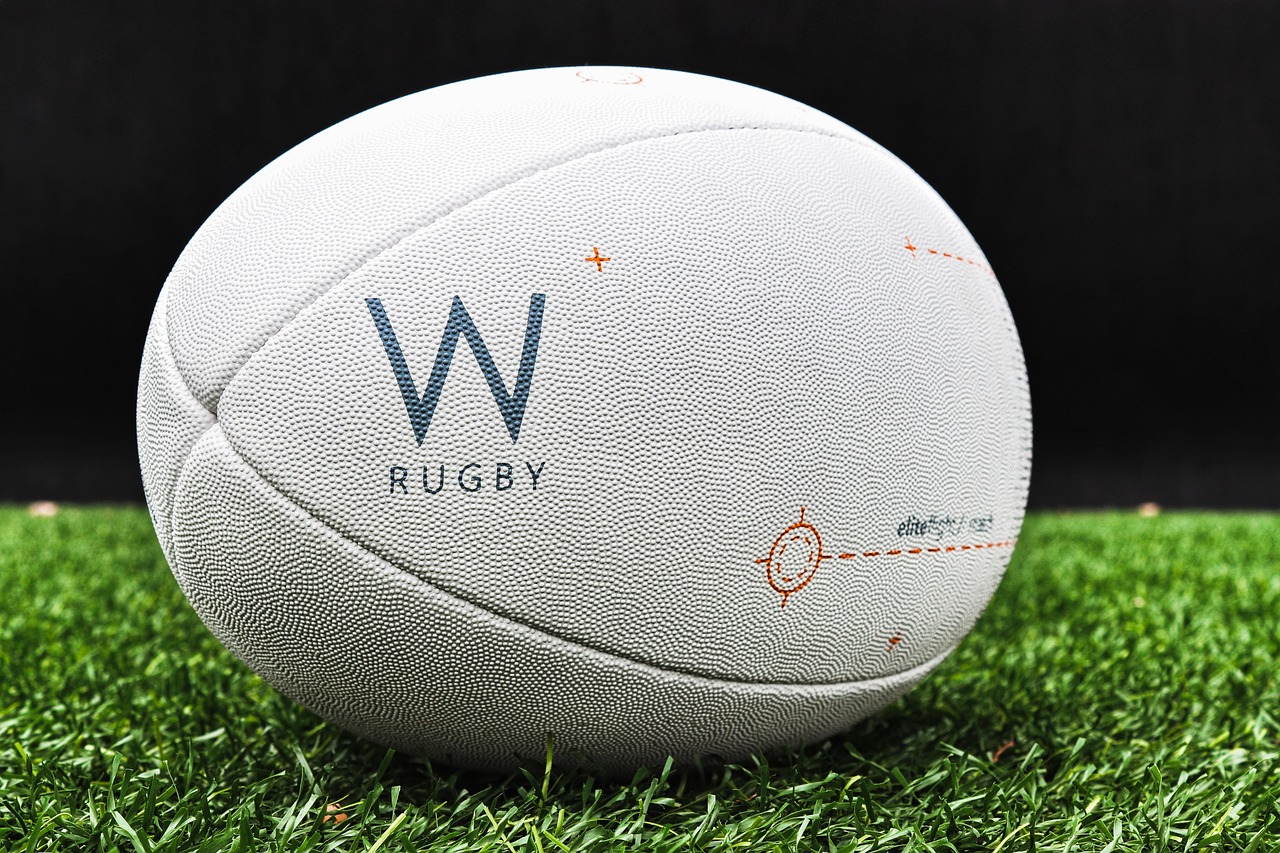
World Rugby’s Law 2 sets the full-size ball: oval, four panels, 410–460 grams, inflated to 9.5–10 psi, and allows smaller balls for young players. Leagues set sizes by age grade; Gilbert’s guide is size 3 for ages 7–10, size 4 for 11–13 and size 5 for 14 and up (Rugby NorCal, for example, uses size 3 at U8 and size 4 at U10 and U12).
- Gilbert G-TR4000 (about $30): a hand-stitched size 5 training ball with a 3-ply build that holds its shape and Gilbert’s triangular grip; ships deflated, inflate to 9.5 psi.
- Gilbert A-XV (about $25): a durable, water-resistant training ball in sizes 3, 4 and 5, good for kids and for a team ball bag.
Check the Gilbert G-TR4000 price on Amazon
Supports, tape and braces
Law 4 allows elasticated supports, thin tape, fingerless mitts, shin guards under the socks and ankle supports under the socks that don’t reach more than a third of the way up the shin. USA Rugby’s guidelines say soft braces and neoprene sleeves are fine, a strapped ankle brace with limited hard plastic worn under the sock is allowed, but hinged knee braces, wrist guards and finger splints with metal or plastic aren’t, even if taped over. If you need a brace to play, ask your physical therapist or athletic trainer about a legal option. Our ankle brace guide and knee sleeve guide compare soft options.
Recovery gear for the bag
After 80 minutes of contact or a day of sevens, comfort takes over. Many players carry a small massage gun like the Hypervolt Go 3 (about $149, 1.6 lb, up to 4 hours of battery) for tight legs and backs, a TriggerPoint GRID 1.0 foam roller (about $40), and recovery slides like the OOFOS OOahh (about $60, with the APMA Seal of Acceptance). These are comfort tools, not treatment; avoid using a massage gun on a fresh bruise or swelling, and see a sports medicine doctor, physical therapist or athletic trainer for pain that lasts. Our best massage guns, best foam rollers and best recovery shoes guides compare more.
Check the Hypervolt Go 3 price on Amazon
How to choose rugby gear
- Look for the label: scrum caps and pads must carry the World Rugby Approved label; gear from other sports usually isn’t legal.
- Mouthguard first: it’s the one piece every player should wear every time, and it costs the least.
- Boots for your ground and position: screw-in soft-ground studs for wet grass, molded studs for firm ground and turf; check your league’s turf rules.
- Fit for growing kids: scrum caps and pads should fit snugly now, not “to grow into”.
- Don’t buy protection instead of technique: no pad or cap replaces learning to tackle safely.
Back to the rugby hub, or see rugby rules, youth rugby and rugby recovery. Playing a second contact sport? Our football gear guide covers helmets and pads.
Rugby gear questions
Is a mouthguard required in rugby?
USA Rugby says every player should wear one every time they play contact rugby, so treat it as required; your club or league may make it a formal rule. Choose one with nothing sticking out of the mouth.
Do scrum caps prevent concussion?
No. Studies haven’t found that soft rugby headgear protects against head injury. Scrum caps help with ears and cuts.
How thick can rugby shoulder pads be?
Under World Rugby Regulation 12, no part may be thicker than 1 cm uncompressed or denser than 45 kg per cubic meter, and the pads must carry the World Rugby Approved label.
Can I wear soccer or football cleats for rugby?
Soccer cleats, yes. Football cleats only if any screw-in studs are a single material (all metal or all plastic); no metal blades.
What size rugby ball should my child use?
Follow your league’s age-grade rules. As a guide, Gilbert suggests size 3 for ages 7–10, size 4 for 11–13 and size 5 from 14.