This article contains affiliate links: if you buy through them we may earn a commission, at no extra cost to you. Learn more.
The night before the first club tournament of the season: knee pads still in the bag from last year, a ball that has gone a little soft, an ankle brace somebody swears they packed. Volleyball doesn’t need much, but the right volleyball gear makes a real difference to safety and to how the game feels. Here’s a simple volleyball equipment list for indoor and beach players: shoes, knee pads, ankle braces, the right ball for each age and surface, beach gear for sun and hot sand, and the recovery kit for long tournament weekends.
Buying guide · Our Volleyball buying guide compares the gear we'd pick, with prices and sizing:
Prices change often. The prices below are what we saw at the maker or a major retailer in October 2026; check the current price before you buy.
The quick checklist: court shoes that fit, knee pads, an ankle brace if you’ve sprained an ankle before, a ball of the right type, a labeled water bottle, snacks, and slides for between matches. For the beach: sunscreen, a hat, sunglasses, sand socks if the sand is hot, and lots of water. Jewelry comes off: NFHS high school rules allow only small, secured studs or posts.
Our top picks
Mikasa V200W
- Size 5, 18 panels
- Exceeds FIVB standards (maker)
- About $67
Tachikara Sensi-Tec SV5WSC
- NFHS approved
- Size 5, 260-280 g
- About $34
Molten VB-U12
- Lightweight ball for 12 and under
- USA Volleyball official ball (listing)
- About $37
Mizuno LR6 Kneepad
- Low-rise, no-fold
- Kneecap and side protection
- About $30
Active Ankle T2
- Rigid shell with hinge
- Fits left or right
- About $35
McDavid 195 Ankle Brace
- Lace-up with figure-8 straps
- Fits either foot
- About $35
OOFOS OOahh Slide
- OOfoam slide
- APMA Seal of Acceptance
- Machine washable
Volleyball shoes
Indoor volleyball is played in court shoes built for quick side-to-side moves, jumping and landing, with soles that grip a gym floor. The FIVB rules simply ask for light, pliable shoes with rubber or composite soles. The American Academy of Orthopaedic Surgeons’ fit tips work well:
- Shop late in the day, when feet are at their biggest, and wear your game socks (and your brace, if you wear one).
- Leave about half an inch between your longest toe and the end of the shoe, with room to wiggle your toes.
- The heel should be held firmly. Lace the shoes up fully when you try them.
- Keep court shoes for the court so the soles stay grippy, and check kids’ fit every season.
Models change every year and fit is personal, so we don’t push one shoe. Buy the pair that feels secure on a hard lateral step.
Knee pads
Knee pads protect against bruises and floor burns when you dive or drop to one knee to dig. They don’t prevent ligament injuries or fix knee pain; pain below the kneecap that keeps coming back in a jumping athlete deserves a visit to a sports medicine doctor or physical therapist. Three popular pads:
- Mizuno LR6: a low-profile pad with padding over the kneecap and both sides and a no-fold design, about $30.
- ASICS Gel-Rally: a budget kneepad sold in adult and kids’ sizes, about $15 to $21.
- Nike Essentials: foam-padded pads, about $29. The listing warns the XS/S size is meant for pre-teens and runs small, so teens should size up.
For extra warmth and compression, see our best knee sleeves guide.
Check the Mizuno LR6 price on Amazon
Ankle braces
Ankle sprains are volleyball’s most common injury, usually from landing on someone’s foot under the net, and they tend to come back. In a Norwegian study of top-division players, 79% of ankle injuries were repeat sprains, and the authors suggested wearing external support for 6 to 12 months after a sprain. The National Athletic Trainers’ Association recommends a brace or tape for all practices and games for athletes with a history of ankle sprains, plus balance training. Four good options:
- Active Ankle T2: a rigid U-shaped shell with a hinge that lets the ankle flex up and down, a single strap, and a fit for either foot. The maker aims it at volleyball and cheer. About $35.
- McDavid 195: a light lace-up with figure-8 straps that mimic athletic tape; fits either foot. About $35.
- ASO EVO: a low-profile lace-up stabilizer with a stirrup and figure-8 straps that fits inside most shoes. About $40.
- Zamst A2-DX: left- or right-specific with molded side guards, Zamst’s strongest support level. About $75.
Braces are support gear, not treatment. If an ankle is swollen, painful to walk on, or keeps giving way, see a sports medicine doctor, physical therapist or athletic trainer before you play on it. Our best ankle brace for athletes guide compares more braces, and the volleyball injuries page covers sprains and return to play.
Check the Active Ankle T2 price on Amazon
Volleyballs: indoor, youth and beach
| Ball | Size and weight | Good picks |
|---|---|---|
| Indoor game ball | Size 5: 65 to 67 cm (FIVB), 25 to 27 in (NFHS); 260 to 280 g | Mikasa V200W (about $67), Molten FLISTATEC (about $55), Tachikara SV5WSC (NFHS approved, about $34) |
| Youth ball | Size 5, lighter than regulation | Molten VB-U12 (about $37), Tachikara Volley-Lite (about $32) |
| Beach ball | 66 to 68 cm, 260 to 280 g, much lower pressure | Wilson AVP OPTX (about $100), Mikasa BV550C (about $80), Mikasa BV552C (about $25) |
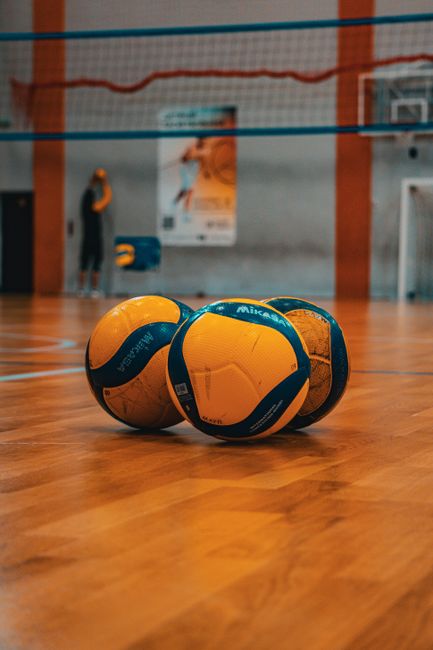
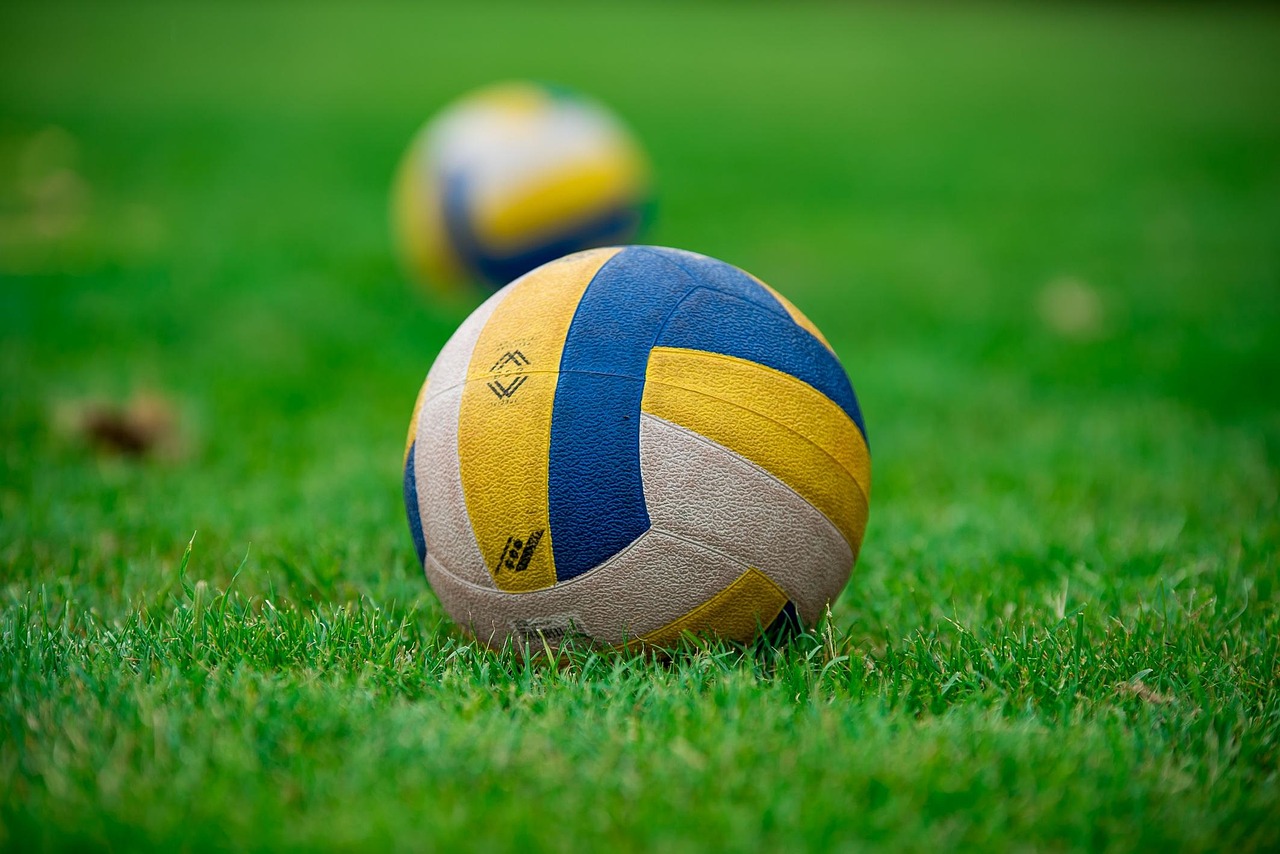
Indoor balls have a smooth or slightly textured composite cover; from 2026-27, state high school associations may also approve textured balls, common in boys’ volleyball, for boys or girls. The Mikasa V200W is the classic international-style ball, the Molten FLISTATEC is listed as the official ball of the NCAA men’s championships, and the Tachikara SV5WSC is NFHS approved for high school matches. Youth balls keep the full size but weigh less, so passing stings less. Beach balls are a little bigger and much softer: the FIVB sets beach pressure at 0.175 to 0.225 kg/cm², against 0.30 to 0.325 (about 4.3 to 4.6 psi) indoors. The Wilson AVP OPTX is the official AVP ball, the Mikasa BV550C is the ball Mikasa says is used in FIVB beach events, and the BV552C is a cheaper Mikasa ball with the same look. A small pump with a gauge, like the eBall pump (about $22), keeps balls at the right pressure.
Check the Mikasa V200W price on Amazon
Check the Wilson AVP OPTX price on Amazon
Beach volleyball gear
Beach players play barefoot under the FIVB rules unless the referee allows socks or shoes, but where socks are allowed, sand socks such as ShocSox (about $35) protect feet on hot sand. Sun protection matters more than anything you can buy for your game. The CDC recommends a broad-spectrum sunscreen with SPF 15 or higher, reapplied after 2 hours in the sun and after sweating or toweling off, a hat with a brim all the way around, and sunglasses that block UVA and UVB rays; UV is strongest from about 10 a.m. to 4 p.m. in summer. Bring a shade tent and more water than you think you need, and get used to the heat gradually over the first week or two, as the National Athletic Trainers’ Association advises.
Recovery gear for the bag
After three matches on a Saturday, comfort takes over. Recovery slides like the OOFOS OOahh (about $60, washable, with the APMA Seal of Acceptance) are a bench favorite. Many players carry a small massage gun such as the Hypervolt Go 3 (about $149, 1.6 lb) or a TriggerPoint GRID foam roller (about $40) for calves, quads and upper back between matches. For long hot days, a 32-ounce Nalgene bottle (about $16) and electrolyte tablets like Nuun Sport, which is Informed Choice certified, help you keep drinking. If you have a heart or kidney condition or high blood pressure, check with your doctor before using electrolyte products. These are comfort tools, not treatment; if something hurts for more than a few days, see a professional. Our best recovery shoes, best massage guns and electrolyte guides compare more, and the volleyball recovery page covers the routine.
Check the OOFOS OOahh Slide price on Amazon
Check the Hypervolt Go 3 price on Amazon
Back to the volleyball hub, or see youth volleyball, volleyball rules, the best volleyball wearables and volleyball nutrition. Also play basketball? See our basketball gear list.
Volleyball gear questions
Do I need special shoes for volleyball?
For indoor volleyball, yes: court shoes with grippy rubber soles made for lateral moves and jumping work much better than running shoes. Beach volleyball is played barefoot unless the referee allows socks or shoes.
Do volleyball knee pads prevent injuries?
They protect against bruises and floor burns from diving and kneeling, but they don’t prevent ligament injuries or treat knee pain. Knee pain that keeps coming back needs a check by a sports medicine doctor or physical therapist.
Should volleyball players wear ankle braces?
Players who have sprained an ankle are advised to brace or tape for all practices and games, and do balance training. Many players without a past sprain wear braces too. Ask your athletic trainer or physical therapist which style suits you.
Can you use an indoor volleyball on the beach?
You can, but beach balls are made for outdoor play: slightly bigger, kept at much lower pressure, and made of material that doesn’t soak up water. An indoor ball is pumped much harder and isn’t built for sand and wet weather.
What size volleyball should a kid use?
Volleyballs are size 5 at almost every level, but lighter youth balls like the Molten VB-U12 (made for 12 and under) are easier on young arms. Players move to a regulation-weight ball as they get older; high school uses an NFHS-approved ball.