This article contains affiliate links: if you buy through them we may earn a commission, at no extra cost to you. Learn more.
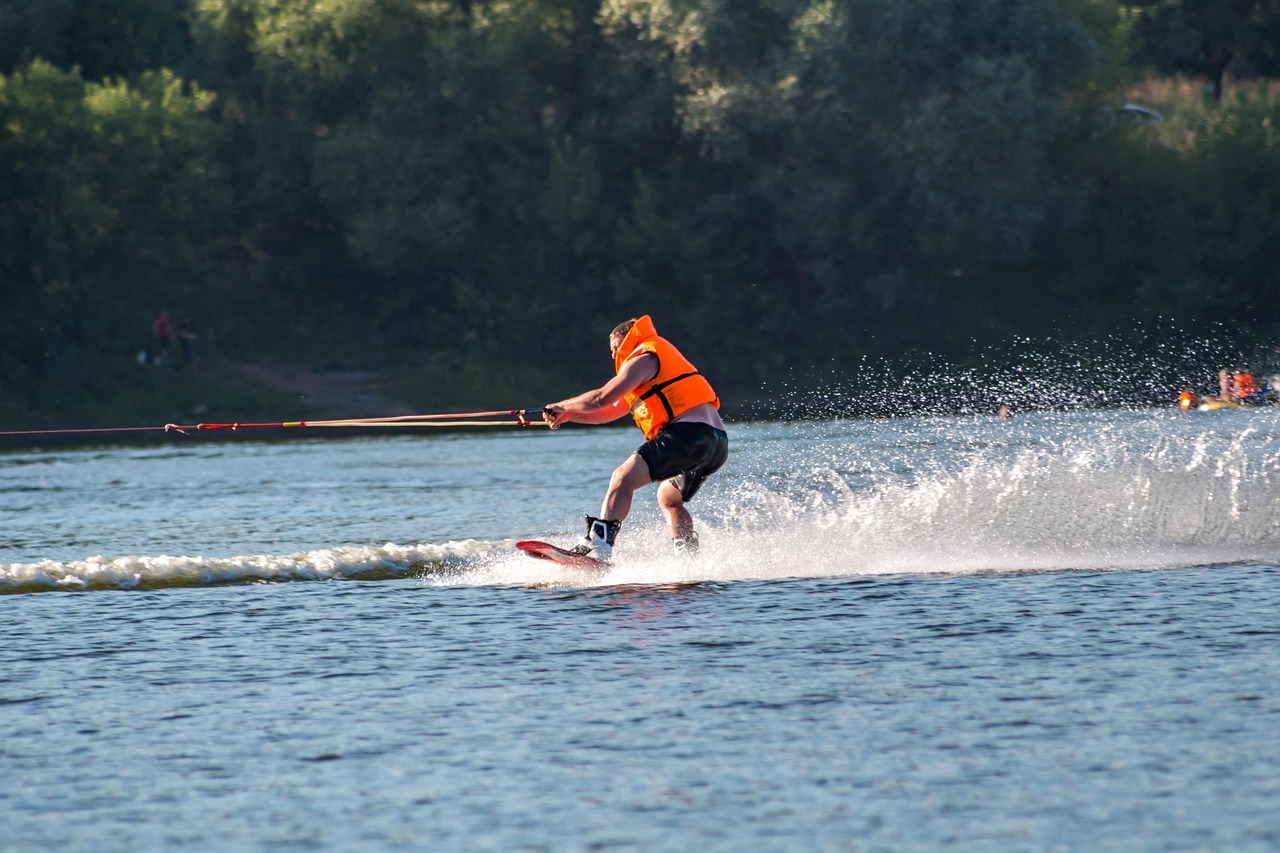
Late afternoon, glassy water, a boat full of friends. The rider cuts hard for the wake, pops, and lands with the knee too straight. There’s a slap, the board shoots out, and everybody on the boat goes quiet until a hand comes up: I’m OK. But wakeboarding mixes speed, fixed bindings, big landings, a rope and, behind a boat, an engine, and a few injuries keep showing up in the research. Here they are, with what lowers the risk and when to get help. It’s for every level, from kids on a first deep-water start to cable park regulars, contest riders and weekend lake crews.
General information, not medical advice. If you’re hurt, see a sports medicine doctor, physical therapist (PT) or certified athletic trainer (AT); in an emergency, call 911. For the bigger picture, start at our wakeboarding hub.
What the research shows
A study of US emergency departments (2001 to 2003, national injury surveillance data) estimated about 4,810 wakeboarding injuries. Wakeboarders came in most often with cuts (31% of injuries), and most of those were to the face. Head injuries made up 29% of wakeboarding injuries, against 4% of water skiing injuries in the same study, and wakeboarders had about five times the share of traumatic brain injuries (12.5% vs 2.4%). A later study of 2000 to 2007 data also found wakeboarding injuries more often involved the head and neck than water skiing injuries, which were more often in the hips and legs.
Among injuries bad enough to reach an orthopedic surgeon, the picture shifts to the knee. In a 2004 survey of surgeons, ACL tears were the most common wakeboarding injury they had treated (31%), followed by shoulder dislocations (15%), and about one in five injuries was a fracture. Riders surveyed in the same study reported ACL tears and ankle sprains (17% each) most often.
Knee and ACL injuries
The ACL (anterior cruciate ligament) is the big one. In an international survey of wakeboarders published in 2012, 42% of the riders who answered had torn an ACL while riding. Most described a pop or a buckle landing a big jump; only about one in seven blamed catching an edge and twisting. The authors point to hard, compressive landings rather than twisting in fixed bindings. (Injured riders may have been likelier to answer, so read it as “common”, not a true rate.) A 2025 study that measured forces on the water found wakeboarders’ landing forces were higher than those of kitesurfers riding in foot straps, which fits the same picture.
The American Academy of Orthopaedic Surgeons (AAOS) describes the classic ACL signs: a pop, the knee giving way, and swelling within 24 hours. A suspected ACL tear always needs a doctor.
- Build up jump height slowly and land with soft, bent knees over the board, not stiff-legged.
- Train the landing on land: leg strength and landing drills. In team sports, ACL prevention programs cut ACL injuries by about half in a large review; our training page adapts them for riders.
- Stop when your legs are cooked. The last “one more set” after hours on the water is when landings get sloppy.
After an injury, some riders like a supportive sleeve such as the Bauerfeind GenuTrain for comfort in training on land; it doesn’t replace rehab with a PT. See our best knee sleeves guide.
Ankle injuries
Your feet are locked into bindings, so when the board stops and your body doesn’t, the ankle takes it. Ankle sprains were 17% of the injuries riders reported in the 2004 survey, and a case report describes a “snowboarder’s fracture” (a break of a small bone on the outside of the ankle) after the front edge of a wakeboard caught. The National Athletic Trainers’ Association (NATA) says the most consistent risk factor for a sprain is a previous sprain, and recommends at least three months of balance training after one. If you can’t put weight on the foot, or it might be broken, see a doctor before your next set.
Falls, faces and head injuries
Wakeboarders catch an edge and slam face-first, or take the board to the head when it flips up in a fall. Cuts to the face and head injuries are why many riders now wear a water sports helmet: Nationwide Children’s Hospital’s injury research center advises always wearing one when wakeboarding, and the US emergency department study called for more research on helmets and other protective gear.
Concussion: recognize it and sit out. The CDC’s HEADS UP program says to remove anyone who may have a concussion from activity: “When in doubt, sit them out”, for the rest of the day and until a health care provider clears them. Signs include looking dazed, confusion, slow answers, clumsiness and mood changes; riders may report headache, dizziness, nausea, blurry vision or feeling foggy. Call 911 for the CDC’s danger signs: one pupil larger than the other, a headache that gets worse, slurred speech, weakness or numbness, repeated vomiting, seizures, growing confusion or drowsiness, or loss of consciousness.
Shoulders, arms and hands
Shoulder dislocations were 15% of the injuries surgeons reported in the 2004 survey. Case reports also describe torn shoulder-blade muscles (teres major) in a wakeboarder whose arms were yanked forcefully overhead. The fix is simple to say and hard to do in the moment: let go of the handle when a fall starts. Never wrap the rope around a hand, wrist or arm; a case report describes a wrist strangled by a wakeboard rope.
Propeller strikes and the boat itself
The most serious injuries in towed sports often involve the boat, not the board. The US Coast Guard counted 169 incidents in 2024 in which at least one person was struck by a propeller, with 30 deaths and 158 injuries. In towed water sports overall, it recorded 19 deaths and 242 injuries that year. The Coast Guard’s advice is direct: shut off the engine when you approach people in the water, keep them on the driver’s side and in view. On boats under 26 feet, federal law requires the driver to use the engine cut-off switch lanyard while on plane.
- Engine off, not just neutral, when a rider is near the back of the boat. California’s boating agency notes that an idling propeller may still turn in neutral.
- Never back up to a fallen rider. Circle back slowly.
- The rope can cut like a knife. Check it’s not wrapped around anyone or caught in the prop before the driver hits it, and keep ropes stowed when not in use.
- Have a spotter. A second person watches the rider so the driver can watch ahead; some states, like California, require an observer at least 12 years old. See our rules and hand signals page.
Carbon monoxide: the invisible danger at the back of the boat
Boat engines make carbon monoxide (CO), a gas you can’t see, smell or taste. The Coast Guard warns it can collect around the stern and swim platform, at slow speeds, while idling and even after the engine stops, and that early symptoms (irritated eyes, headache, nausea, weakness, dizziness) are often mistaken for seasickness or drinking. A CDC investigation at Lake Havasu, Arizona, found dangerous CO exposures among people near operating motorboats and advised warning people about occupying the back of a boat any time the motor is running.
- Don’t sit, hang or strap in on the swim platform while the engine runs, and never “teak surf” (holding the platform, then body-surfing the wake). The Coast Guard says teak surfing is never safe; people have died from CO doing it.
- Engine off while riders get on and off the back of the boat, which also takes care of the propeller.
- Treat “seasick” as possible CO. Move the person to fresh air and get medical help unless you’re sure it’s not CO. Keep working CO alarms in any cabin.
Drowning and life jackets
In all US recreational boating in 2024, the Coast Guard found that 76% of the people who died drowned, where the cause was known, and 87% of those who drowned weren’t wearing a life jacket. A rider knocked out by a fall, or one who passes out from CO, is the scenario a life jacket is for. The CDC says life jackets reduce the risk of drowning while boating for people of all ages and swimming abilities.
- Wear a Coast Guard approved life jacket made for towed sports. Check the label: the Coast Guard notes some life jackets are not approved for water skiing, tubing or wakeboarding.
- No inflatables for towed sports. California law, for example, says inflatable life jackets aren’t approved for skiing, wakeboarding or tubing, and the Coast Guard doesn’t recommend them for children under 16.
- Check for the approval. Thin “comp” or impact vests and ski belts don’t count unless the label shows Coast Guard approval.
- No alcohol for the driver, spotter or rider. Alcohol was the leading known factor in fatal boating incidents in the Coast Guard’s 2024 report.
Pro-Tec Ace Water Helmet
- Meets CE EN 1385 water sports standard
- 15 vents, removable ear guards
- About $55
O'Brien Men's Traditional Neoprene Life Jacket
- US Coast Guard & Transport Canada approved
- Zip front, two adjustable belts
- About $74
O'Neill Youth SuperLite Life Vest
- USCG Type III, 50 to 90 lb
- Sold for wake, ski and tubing
- About $41
Bauerfeind GenuTrain
- Knit compression
- Omega+ pad around kneecap
- Not a ligament brace
Water, skin and sun
- Warm freshwater and your nose. Falls force lake water up the nose. Infections from the ameba Naegleria fowleri are rare (the CDC counts fewer than 10 US deaths a year), but the CDC suggests avoiding warm, low water in summer and holding your nose or using a nose clip when you go in.
- Cuts and sun. Clean cuts with soap and running water and see a doctor for deep ones; sunscreen, shade and heat are on our lake day and competition day page.
When to get help
- Call 911 now: unconscious or confused rider, concussion danger signs, a propeller injury or heavy bleeding, trouble breathing after being under water, suspected neck or back injury (California’s boating agency advises getting in the water to support an injured rider rather than hauling them aboard), or possible CO poisoning that doesn’t clear quickly in fresh air.
- See a doctor soon: a knee that popped, gave way or swelled; an ankle you can’t walk on; a shoulder that slipped out; deep cuts; any suspected concussion.
- See a PT or athletic trainer: pain that keeps coming back, a knee or ankle that feels unstable, or a plan to get back on the water after an injury.
Next: build the legs and landings that protect you on the training page, and get your body back after a big day on the recovery page. Skiers have their own page: water skiing injuries. For another board sport with big landings, compare snowboarding injuries.
Wakeboarding injuries: FAQs
What is the most common wakeboarding injury?
In US emergency departments, cuts, mostly to the face, were the most common wakeboarding injury, and head injuries were common too. Among injuries that need an orthopedic surgeon, ACL tears lead, mostly from landing jumps.
Should wakeboarders wear a helmet?
Many safety experts say yes. Head and face injuries are a big share of wakeboarding injuries, and Nationwide Children’s Hospital’s injury research center advises always wearing a water sports helmet when wakeboarding. In WWA contests, a helmet is required on cable features.
Can I wear an inflatable life jacket for wakeboarding?
No. Inflatable life jackets aren’t approved for towed sports in states such as California, and the Coast Guard notes some life jackets carry a label saying they’re not approved for wakeboarding. Wear a foam or neoprene, Coast Guard approved jacket made for towed sports.
Why do wakeboarders tear their ACL?
In the largest survey of injured riders, most ACL tears happened landing a high jump, not from twisting after catching an edge. Building jump height slowly, landing with bent knees and training leg strength on land are the common advice.
Why is sitting on the swim platform dangerous?
Engine exhaust can build up carbon monoxide around the back of the boat, especially at low speed or idle, and CO can make you pass out with no warning smell. The Coast Guard says never to sit, hang or teak surf on the back deck or platform while the engines run.
When can I ride again after a concussion?
Not the same day, and only after a health care provider clears you. The CDC’s HEADS UP program describes a gradual, step-by-step return to activity once symptoms settle.