This article contains affiliate links: if you buy through them we may earn a commission, at no extra cost to you. Learn more.
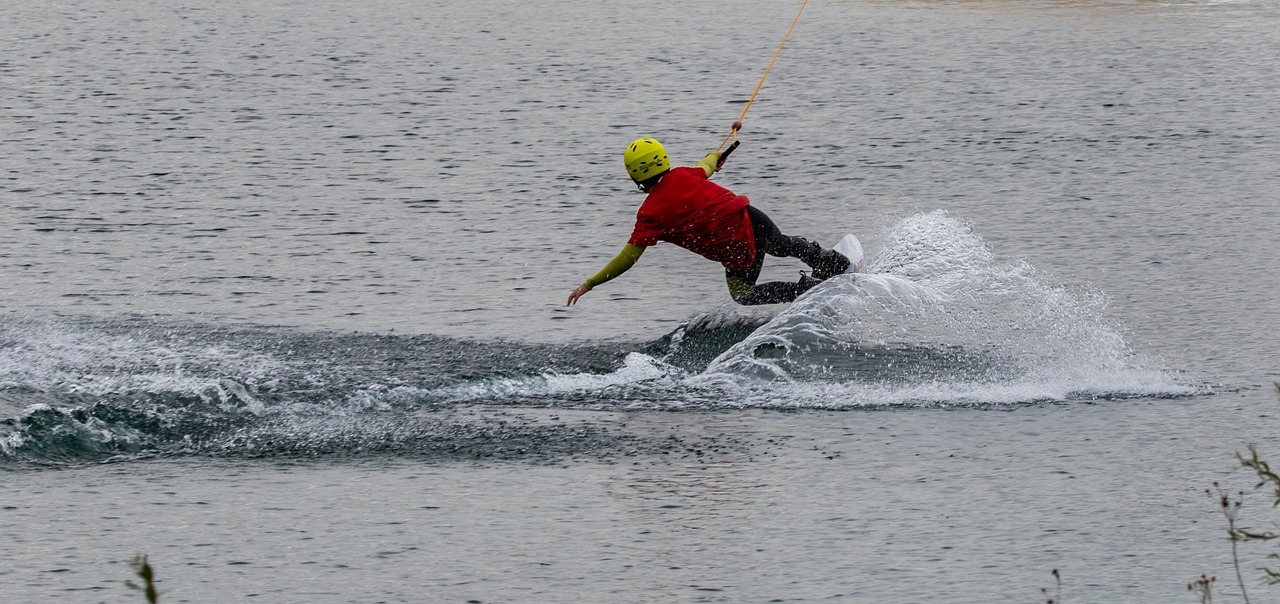
Ask anyone after their first summer of wakeboarding what hurt the next morning: forearms that won’t close around a coffee cup, thighs like they ran a hill, shoulders that remember every deep-water start and every fall at the cable park. Wakeboarding looks like the boat or the cable does the work. It doesn’t. You hold a handle against the pull of an engine, edge hard toward the wake, pop off it, and absorb the landing with your legs, again and again. This page is about wakeboard training: the strength, landing practice, grip, balance and off-season work that help you ride longer, land softer and get hurt less, from kids at the lake to cable-park regulars and competitive riders.
General information, not a personal program. If you’re coming back from an injury, have pain, or have a health condition, work with a physical therapist (PT), certified athletic trainer (AT) or a strength coach. Back to the wakeboarding hub.
What wakeboarding asks of your body
- Big landings. A 2025 field study with sensor insoles found wakeboarders’ landings put more force through the legs than kitesurfers’ landings, especially on the back foot. The authors call for “load control” and prevention work.
- Knees above all. ACL tears are the signature wakeboarding injury. In a survey of experienced riders, 42% of those who answered had torn an ACL, most often with a pop after landing a high jump. Orthopedic surgeons surveyed in an earlier study reported ACL tears as the most common wakeboard injury they treated (31%), with shoulder dislocations at 15%.
- Knees and shoulders at the cable park too. A German study followed 122 cable-park riders through a season: knee and shoulder injuries each made up more than a fifth of the total, though most were mild.
- Pulling on every start and every edge. We found no measurement of wakeboard starts; the closest study, on water-ski starts, measured about one and a half times body weight through the arms. A wakeboard start is a different motion, but your arms, back and grip still take the pull of the boat, then hold it through every cut toward the wake.
There isn’t much wakeboard-specific training research yet, so the plan below borrows from what works in other sports with jumps, landings and pulling: strength, landing technique, balance and grip, built up gradually. More on the injuries themselves on our injuries page.
Leg strength and landings
Strong legs absorb wake jumps and flat landings instead of passing the shock to the knee ligaments. In team sports, programs that combine strength, jumping and landing practice, and balance work cut ACL injuries by about half in a large review of the research. Riders can use the same ingredients two or three times a week on land:
- Squats and split squats (bodyweight first, then load) for the bent-knee riding stance.
- Romanian deadlifts and hip bridges for the hamstrings and glutes, which help protect the knee.
- Landing drills: small jumps onto soft ground, landing quietly with knees bent and pointing over the toes, never caving in. Add height only when landings are clean.
- Both feet, both directions. On a wakeboard your feet are locked into bindings side by side, so do your jumps and squats in your riding stance too, and land on both feet at once.
- Calf raises and single-leg work for ankles held in boots, and for the back leg that takes the bigger landing load.
On the water, the same idea applies: learn to clear the wake with a progressive edge and a stable body, and go bigger only when you’re landing cleanly. Riders in the ACL survey mostly got hurt landing high jumps, so height is the thing to earn slowly.
Core, back and rotation
Your trunk links the handle to the board. When it tires, you get pulled forward out of your stance, edge too early or land twisted. Spins, handle passes and inverts all start in the trunk. Train it to resist movement and to rotate under control, not just to crunch:
- Planks and side planks, building to 30 to 60 seconds with good form.
- Pallof presses with a resistance band: stand side-on to the band and press it straight out without letting it twist you. That’s the same job as holding an edge against the rope.
- Controlled rotation: band or cable chops and lifts, and medicine-ball rotational throws, for spins.
- Bird dogs and dead bugs for control, and rows so the upper back can hold the handle near your lead hip.
Shoulders and grip
Tired forearms end more sets than tired legs, and shoulders take the yank when a fall pulls your arms overhead before you let go. Case reports describe tears of the large back and shoulder muscles in wakeboarders whose arms were forcefully pulled up overhead. Train both, and learn to let go:
- Rows, pull-ups or lat pulldowns, and band pull-aparts for the muscles that hold the handle in.
- Rotator cuff work with a light band (external rotations), a staple of shoulder programs in throwing and overhead sports.
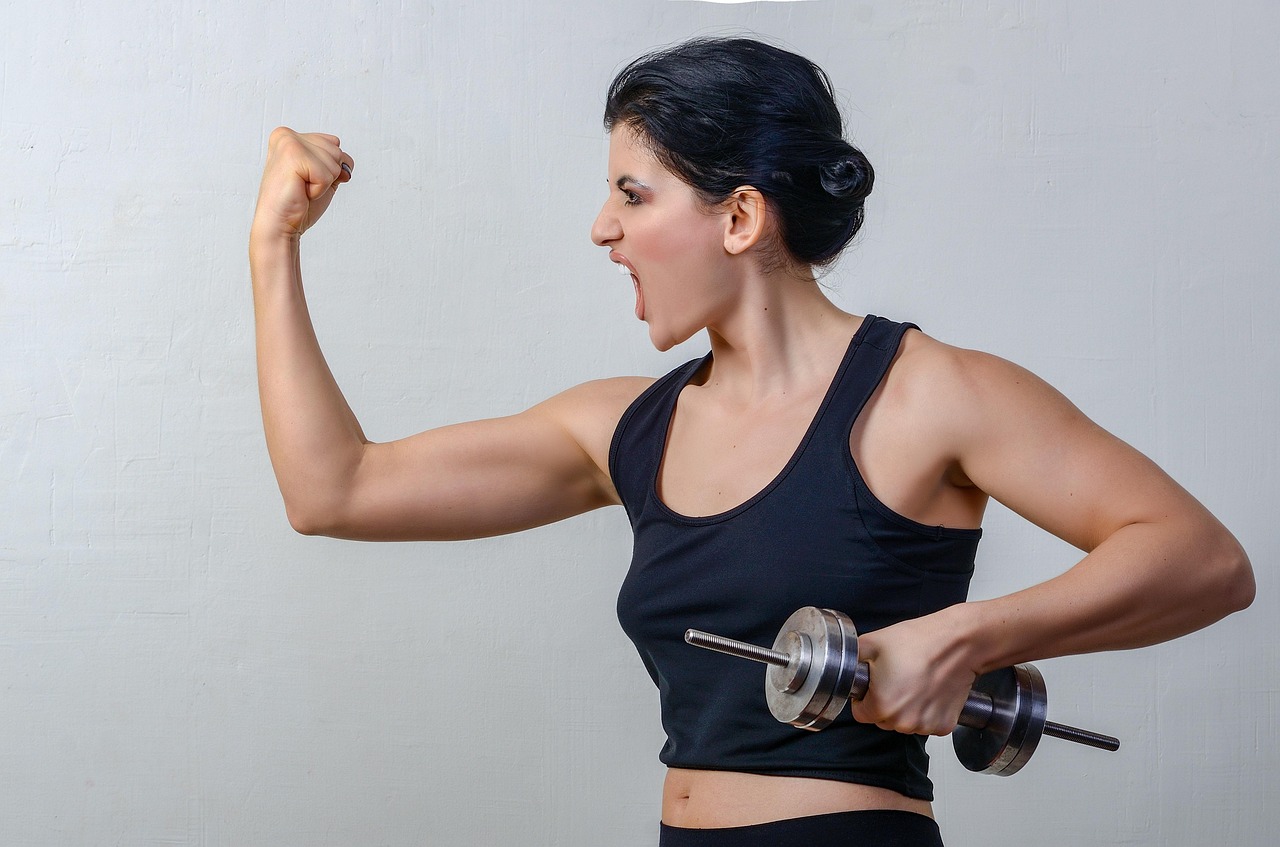
- Dead hangs from a bar, building time slowly, farmer’s carries with heavy dumbbells, and towel rows to train a thick, wet-feeling grip.
- A finger trainer such as the Prohands Gripmaster for the car or the couch; the maker lists tension from 1 to 9 lb per finger, so it’s a supplement to heavy carries, not a replacement.
- Technique saves grip and shoulders. Keep the handle low and close to your lead hip, arms relaxed, and let your legs and lean resist the boat. Let go when a fall is coming instead of hanging on, and never wrap the rope around a hand or arm.
Balance
Balance work trains the ankles and knees to react, and the National Athletic Trainers’ Association recommends at least three months of balance training after an ankle sprain. Start on one leg on the floor, then on a cushion, then on a roller board. The Indo Board was first designed for surf training and works well for a sideways board stance; stand next to a wall or a friend at first, because falls happen. Practice both your regular stance and switch (the opposite foot forward), since wakeboarders ride both ways. Balance work is an extra, not a substitute for strength.
The Original Indo Board
- Board and roller included
- Originally made for surf training
- Start next to a wall
Prohands Gripmaster Hand Exerciser
- Trains each finger separately
- 1 to 9 lb tension range (maker)
- About $22
TriggerPoint GRID 1.0 Foam Roller
- Firm, textured foam
- Compact for the boat bag
- About $40
Warm up on the dock
Most riders go from a car seat straight to a deep-water start. Five minutes changes that: leg swings, walking lunges, bodyweight squats, a few soft practice jumps, arm circles, band pull-aparts and some rotations. First set of the day: easy riding and wake crossings to feel the water before any jumps or spins. A few minutes on a foam roller the night before or after the session suits people who like it.
Boat and cable: different training loads
Behind a boat you get a few sets a day with rest between them. At a cable park you can ride lap after lap on the overhead cable and hit ramps, rails and boxes, so the session can run much longer and the falls add up. In the German cable-park study, riders logged 8,647 hours over a season and reported 277 injuries, about 4 in 10 of which needed medical treatment. Plan cable days like any long training session: warm up, take breaks off the water, stop when your legs or grip fade, and wear a helmet on features. Our rules and safety page covers cable-park basics.
The off-season
In much of the country the lakes and cable parks close for months. That’s the best time to get strong.
- Two or three strength days a week covering legs, hinge, core and rotation, pulling, shoulders and grip, as above.
- Conditioning: cycling, swimming, running or rowing, so a long cable session or a lake weekend doesn’t wipe you out.
- Other board sports. Many riders snowboard, skateboard or surf in winter to keep their edge feel and air awareness; trampolines with a coach are another common tool for learning rotation. Each has its own risks, so wear the right protection (see our snowboarding and skateboarding sections).
- Fix old injuries. A cranky knee or shoulder is easier to rehab with a PT in winter than in July.
- Ramp back up in spring. Short sets for the first rides, then build. Jumping big on day one after a winter off is how landings go wrong.
A sample week
A practical example, not a prescription. In season: ride 2 to 4 days, one short strength session (legs, core, shoulders, grip) on a non-riding day, a balance session at home, and at least one full rest day. Off-season: 2 to 3 strength sessions, 2 conditioning sessions, balance work 2 to 3 times a week, and rest. For kids and teens, the American Academy of Pediatrics recommends at least one to two days off a week from organized sport, and time away from a single sport across the year. More on young riders on our youth page.
For resistance bands, see our best resistance bands guide. Your training fuel is on the nutrition page, and a watch that counts your runs is on best wearables. Water skiers have their own plan: water ski training. For a team-sport take on prevention training, compare soccer training.
Wakeboard training: FAQs
What muscles does wakeboarding use?
Almost everything: legs to absorb landings and wake jumps, core and back to hold your stance against the rope and drive spins, and shoulders, forearms and grip to hold the handle through every start and edge.
How can I stop my arms from getting tired when wakeboarding?
Part technique, part training. Keep the handle low and close to your lead hip, arms relaxed, and let your legs and body lean hold the pull, not your biceps. Off the water, train grip with dead hangs, farmer’s carries and towel rows, and the upper back with rows.
Can training prevent ACL injuries in wakeboarding?
There are no wakeboard-specific trials, but in team sports, programs with strength, landing practice and balance cut ACL injuries by about half. Since most wakeboard ACL tears happen landing jumps, practicing soft, bent-knee landings and building jump height slowly makes sense.
Is a balance board good training for wakeboarding?
It’s a useful extra for stance, ankles and reactions, and it’s fun at home. Start next to a wall, practice regular and switch, progress slowly, and keep doing strength work: a balance board doesn’t build the leg strength that landings need.
How should I train in the wakeboarding off-season?
Get strong (legs, core, pulling, shoulders, grip) two or three times a week, keep your fitness up with cycling, swimming or running, do balance work, rehab any lingering injury, and ease back into riding in spring before you jump big.