This article contains affiliate links: if you buy through them we may earn a commission, at no extra cost to you. Learn more.
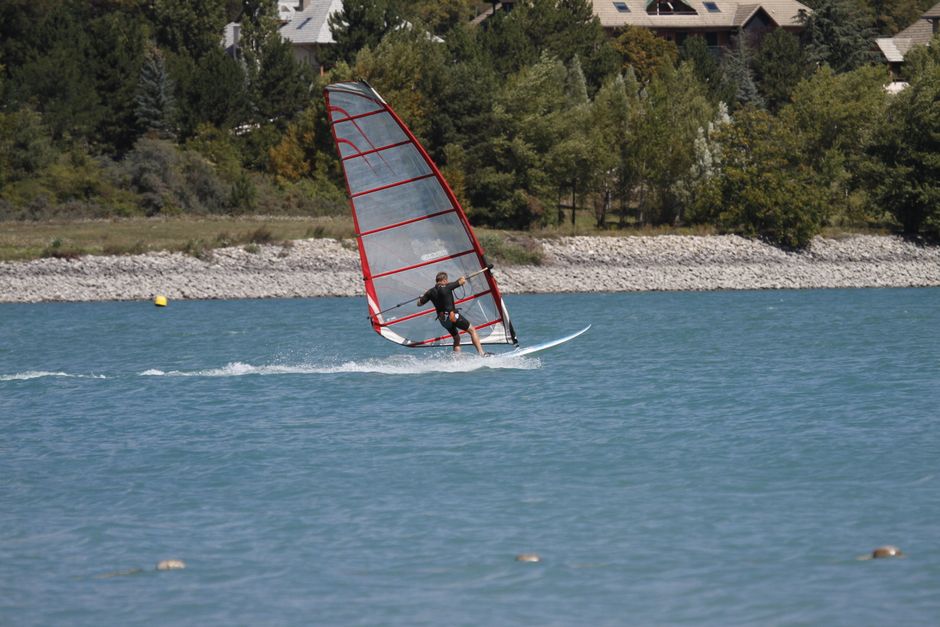
The wind drops at sunset and you sail the last reach in on fumes. Your forearms are rock hard from the boom, your lower back is tight from the harness, your feet are scraped from the straps and you can taste salt. On the beach, someone is already checking tomorrow’s forecast: it blows again. What you do in the next few hours decides whether you’re back out tomorrow or stuck on the couch. This page is about windsurfing recovery: the first hour after you come in, easing the back and forearms, sleep, back-to-back windy days and regattas, and the recovery tools sailors actually use.
General information, not medical advice. Pain that doesn’t settle, swelling, or anything that changes how you move deserves a look from a sports medicine doctor, physical therapist or athletic trainer. Back to the windsurfing hub.
Why windsurfers need recovery
Windsurfing feels like play, but the body keeps score. Pumping the sail more than doubled oxygen use in Olympic windsurfers, and a review compares Olympic racing to rowing for intensity; a regatta strings many races together over several days, which the authors say calls for careful training and nutrition. Recreational sailors work hard too: in a British study, muscle strains were the most common new injury, low-back strain often came back, and wave and slalom sailors reported far more repeat strains than course racers. In a German survey, most accidents happened after about two hours on the water, when fatigue sets in. Recovery is part of sailing well.
The first hour after you come in
- Warm up first if you’re cold. Get out of the wet wetsuit, dry off and put on warm layers out of the wind. The CDC lists shivering, exhaustion, confusion, fumbling hands and slurred speech as signs of hypothermia; warm the core, use warm non-alcoholic drinks, and get help if the person is confused or very drowsy.
- Drink. ACSM suggests about 1.25 to 1.5 liters of fluid for every kilogram lost during exercise, with some sodium from food or an electrolyte drink.
- Eat. Carbohydrate to refill energy and about 15 to 25 g of protein (ACSM): a rice bowl with chicken or beans, a sandwich and milk, or yogurt with fruit and granola.
- Check your skin and feet. Footstraps, fins and foils leave scrapes and cuts. Wash them with soap and clean running water (CDC) and watch for redness, heat or swelling. Rinse salt off and use moisturizer and lip balm on wind-burned skin.
- Rinse and check your gear, especially the mast base, harness lines and foil screws, so they’re ready next time.
A short cool-down for back, hips and forearms
A review in Sports Medicine found cool-downs don’t do much for next-day soreness or performance, but many sailors like a few minutes of easy movement after hours hanging in a harness. Try a gentle walk on the beach, child’s pose and cat-cow for the lower back, a hip-flexor stretch, a figure-4 stretch for the glutes, and forearm stretches with the palm up and palm down. Shake out your hands and open and close your fists gently. If you’ve been in footstraps all day, roll the soles of your feet over a ball and point and flex your ankles a few times. Keep it easy; it’s for comfort, not more training, and stop anything that hurts.
Sleep: windy weeks wreck it
Late sessions, sunburn, a few drinks at the beach bar and early alarms for the morning breeze add up. The American Academy of Sleep Medicine recommends at least 7 hours a night for adults, 8 to 10 hours for teens aged 13 to 18 and 9 to 12 hours for kids aged 6 to 12. A short nap after a long session helps many athletes, and caffeine or alcohol close to bedtime makes sleep worse. Our best sleep trackers guide covers ways to measure it.
Windy weeks, windsurf trips and regattas
- Don’t sail every hour it blows. On a trip, two medium sessions with a proper break usually beat one marathon. The German survey’s authors suggest a longer break after about an hour, and no hard moves after an hour without one.
- Use light-wind days for technique on a bigger board, a swim, or rest.
- Teens need days off. The American Academy of Pediatrics recommends 1 to 2 days a week off organized sport. More on the youth windsurfing page.
- Regattas: eat between races, refuel and rehydrate each evening, and stretch the back and hips before bed. iQFOiL racers’ most common problem was low-back cramps and spasm.
- Warning signs: pain that gets worse session to session, elbow or shoulder pain that lingers, a swollen knee or ankle, poor sleep and dragging energy. Take a day off and get checked if it doesn’t settle; see windsurfing injuries.
Recovery tools windsurfers use
Tools are extras, not magic. A 2018 review of 99 studies found massage was among the most effective methods for reducing soreness and feelings of fatigue. Many sailors keep a compact massage gun like the Hypervolt Go 3 in the van for forearms, thighs and calves, and roll the back, glutes and quads on a foam roller like the TriggerPoint GRID. After a day barefoot in footstraps, cushioned recovery slides like the OOFOS OOahh feel good. If you use cold plunges, one study found regular cold-water immersion after strength training blunted strength gains, so skip it after gym days, and check with a doctor first if you have a heart condition. More options in our best massage guns, best foam rollers and best recovery shoes guides.
TriggerPoint GRID 1.0
- 13 in, hollow core
- Multi-density surface
- About $40
OOFOS OOahh Slide
- Cushioned foam footbed
- APMA Seal of Acceptance
- About $60
Tracking recovery
Sleep and heart-rate variability (HRV) trends can show when a windy week is catching up with you. A smart ring like the Oura Ring 5 tracks sleep and readiness overnight; take it off before sailing, as rings can catch on the boom or lines. A watch with a windsurf mode does both jobs. See best wearables for windsurfing, HRV for athletes and how to recover faster after a workout. Fuel ideas are on the windsurfing nutrition page, and kiters can compare kitesurfing recovery.
Windsurfing recovery: FAQs
Why do my forearms hurt after windsurfing?
Holding the boom, sheeting in and pumping work the grip muscles hard. Using the harness more, a looser grip, a boom height that fits you and grip training on land help. Elbow pain that lingers after rest is worth getting checked.
Why is my lower back sore after windsurfing?
Uphauling, hanging in the harness and pumping load the back, and low-back strain is one of the most common windsurfing injuries. Core and hip-hinge strength, lifting the sail with your legs and easy stretching help many sailors. Pain that runs down the leg, or numbness, needs a doctor.
Is it OK to windsurf every day?
Many sailors do on trips, but mix harder and easier sessions, take breaks on the water, sleep well, eat enough and take a day off when you’re sore or tired. Accidents cluster later in long sessions.
What should I eat after a session?
A normal meal with carbohydrate and protein, plus fluids and some salt. ACSM suggests about 15 to 25 g of protein after exercise; a rice bowl, a sandwich with milk or yogurt with fruit all work.
How much sleep do windsurfers need?
At least 7 hours a night for adults and 8 to 10 hours for teens, per the American Academy of Sleep Medicine. More during big windy weeks and regattas helps.