This article contains affiliate links: if you buy through them we may earn a commission, at no extra cost to you. Learn more.
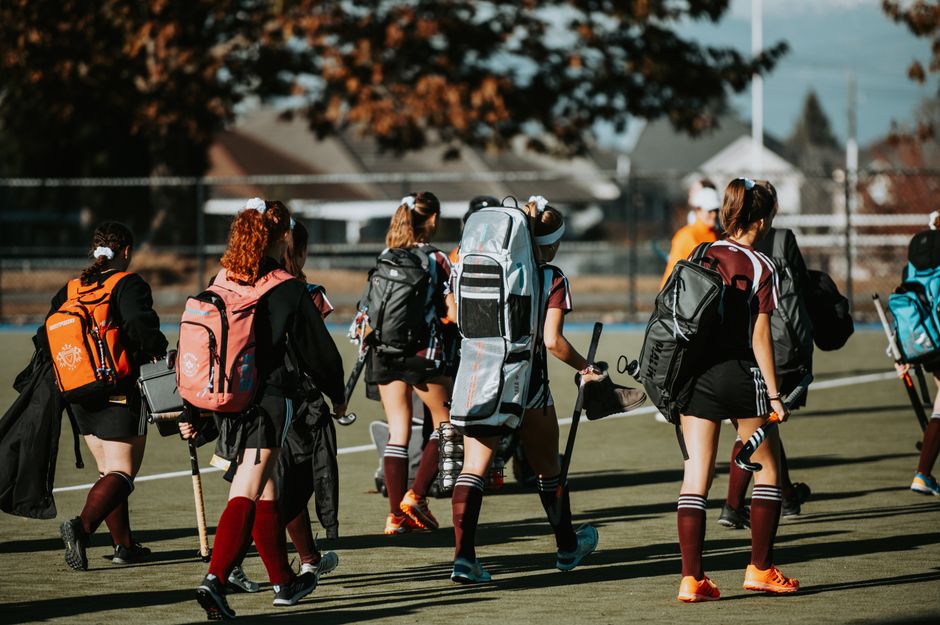
A Saturday morning clinic on the turf: a row of nine-year-olds in pinnies pushing balls between cones, sticks clacking, one girl finally stopping a pass dead on her flat side and looking over to make sure her coach saw it. The stick matters more than people think at that age. The best field hockey sticks for a player are the right length for their height, made of a material that matches their skills, and legal for their league. This guide explains length by height, bow shapes and carbon content, the FIH stick rules, and eight real sticks worth buying in 2026, from a field hockey stick for beginners to a competitive 40% carbon stick for high school.
Prices change often. The prices below are what we saw at the maker or a major retailer in October 2026; check the current price before you buy.
Our top picks
STX RX 50 Field Hockey Stick
- 100% fiberglass
- Thin handle for small hands
- About $50
Gryphon Speed Wood Field Hockey Stick
- Fiberglass-reinforced wood
- Regular bow
- About $50
Grays GX1000 Field Hockey Stick
- Carbon, aramid, fiberglass
- Chamois grip included
- About $100
STX RX 101 Field Hockey Stick
- 10% carbon, 90% fiberglass
- Low bow
- About $100
Longstreth TK Performance 8
- Composite with 5% Kevlar
- Low bow
- About $85
Osaka Pro Tour 40 (Pro Bow)
- 40% carbon, 55% fiberglass, 5% kevlar
- Low bow
- About $166
STX IX 401 Indoor Field Hockey Stick
- Indoor stick
- 100% fiberglass
- About $70
Field hockey sticks compared
| Stick | Player | Material | Bow | About (Oct 2026) |
|---|---|---|---|---|
| STX RX 50 | Kids 10 and under | 100% fiberglass | Not stated | $50 |
| Gryphon Speed | Youth beginners | Fiberglass-reinforced wood | Regular | $50 |
| Grays GX1000 | New teen and adult players | Carbon, aramid, fiberglass | Not stated | $100 |
| STX RX 101 | Moving past a first stick | 10% carbon, 90% fiberglass | Low | $100 |
| TK Performance 8 | Middle school | Composite, 5% Kevlar | Low | $85 |
| STX RX 402 | Intermediate, any position | 40% carbon | Low | $150 |
| Osaka Pro Tour 40 | Skilled high school and club | 40% carbon, 55% fiberglass, 5% kevlar | Low (Pro Bow) | $166 |
| STX IX 401 | Indoor beginners | 100% fiberglass | Low | $70 |
Stick length by height, bow and carbon
Length. STX’s rule of thumb: standing straight, the top of the stick should reach about 2 inches below the hip bone. Retailer TREND Field Hockey measures from the ground to the hip bone with shoes on and gives this chart (sizes vary a little between brands, so check the maker’s chart too):
| Player height | Stick length |
|---|---|
| 3’6″–3’8″ | 28 in |
| 3’11″–4’0″ | 30 in |
| 4’3″–4’4″ | 32 in |
| 4’7″–4’9″ | 34 in |
| 4’10″–5’0″ | 35 in |
| 5’0″–5’8″ | 36.5 in |
| 5’8″ and up | 37.5 in (38.5 in only for players over 6’4″) |
Forwards often go a little shorter for close control and defenders a little longer for reach. Buying a size up for a child to “grow into” makes it harder to get low and keep the ball close.
Carbon content. Sticks are wood or a composite of fiberglass, aramid (Kevlar) and carbon. STX describes fiberglass as flexible and light, aramid as vibration-dampening, and carbon as stiff for power. Its beginner sticks are mostly fiberglass, and its elite sticks, for players about 15 and up, are almost all carbon. More carbon isn’t better for a new player: a stiff stick hits harder but is less forgiving when receiving the ball.
Bow. The bow is the curve along the stick. STX says a lower bow, with the curve starting closer to the toe, makes it easier to get under the ball for lifts and 3D skills. A regular bow, with the high point near the middle, is the all-round shape most first sticks use.
The FIH stick rules in short
- Flat on the left only: the head is flat on its left side, so there are no left-handed field hockey sticks.
- Bow limit: no more than 25 mm deep, one smooth curve, and the deepest point at least 200 mm from the bottom of the head.
- Size and weight: the stick, including tape or grips, must pass through a 51 mm ring, weigh no more than 737 grams and measure no more than 105 cm (about 41 inches).
- Smooth: no rough or sharp parts, so replace a stick that’s cracked or splintered.
Sticks from the major brands are made to these specs, but school and club leagues can add their own rules, so ask your coach or check the field hockey rules page.
The best field hockey sticks for 2026
1. STX RX 50: best for kids 10 and under
STX built the RX 50 for beginners 10 and under. It’s 100% fiberglass, which STX describes as forgiving and flexible for learning skills, with a light feel and a thin handle that helps small hands learn where to sit on the grip. The listing we checked was a 28-inch stick, and STX points buyers to a height-based size chart.
- Good: sized and shaped for young kids; forgiving material; low price.
- Watch out: stock was low when we checked; a child will outgrow it within a few seasons.
- Best for: first-season players in rec leagues and clinics.
Check the STX RX 50 price on Amazon
2. Gryphon Speed Wood: best budget first stick
Wood is the classic first stick, and the Gryphon Speed is wood reinforced with fiberglass for durability. The seller says the material gives a soft touch for learning ball control, and the regular bow, with its high point in the middle of the shaft, is an all-round shape. It’s an outdoor stick for turf or grass, sold through Longstreth.
- Good: soft feel for receiving; durable build; one of the cheapest real sticks.
- Watch out: the listing we checked was the 28-inch size, so pick the right length from the menu.
- Best for: young beginners and families not sure the sport will stick.
Check the Gryphon Speed price on Amazon
3. Grays GX1000: best beginner composite
Grays calls the GX1000 a novice performance composite: a matrix of carbon, aramid and fiberglass, where the glass fiber is there for more forgiving ball control and shock absorption. The Amazon bundle includes a chamois grip, and the listing we checked was the 37.5-inch adult size, making it a good first stick for a teen or adult new to the game.
- Good: composite feel at a starter price; grip included; adult sizes.
- Watch out: carbon percentage and bow aren’t stated on this listing.
- Best for: high school freshmen and adults starting in a club or masters league.
Check the Grays GX1000 price on Amazon
4. STX RX 101: best first step-up
Once a player can push, stop and dribble, the RX 101 adds a little stiffness without losing the forgiving feel. It’s 10% carbon and 90% fiberglass with a low bow, and STX says the balance point gives it a light feel for rising players. The 34-inch listing gives a weight of 540 grams.
- Good: gentle step into carbon; low bow for learning lifts; youth sizes.
- Watch out: only a couple were left in some colors when we checked; twice the price of the RX 50.
- Best for: players in their second or third season, roughly 10 to 13.
Check the STX RX 101 price on Amazon
5. Longstreth TK Performance 8: best for middle school
Longstreth made this TK composite for the middle school player developing power and control. It has a low bow, which the seller says helps with lifting the ball and aerials, and 5% Kevlar for a softer touch. The listing names carbon, fiberglass, aramid and Kevlar but doesn’t give a carbon percentage.
- Good: low bow at a mid price; softer touch than a stiff carbon stick.
- Watch out: carbon content not stated; first listed on Amazon in April 2026.
- Best for: 6th to 8th graders on a school or club team.
Check the TK Performance 8 price on Amazon
6. STX RX 402: best intermediate stick
STX made the RX 402 for players moving up from their first stick and ready for more advanced skills. At 40% carbon it’s stiffer, for more power on shots and passes, and like the rest of STX’s RX line it has a low bow for the ground and air game. STX says it works for any position.
- Good: clear jump in power; low bow; versatile.
- Watch out: stiffer sticks are harder to receive with if first touch isn’t solid yet.
- Best for: JV and varsity players and competitive club players.
Check the STX RX 402 price on Amazon
7. Osaka Pro Tour 40 (Pro Bow): best for 3D skills
Osaka’s Pro Bow is its low bow, and the Pro Tour 40 is built, in Osaka’s words, for 3D ball control first, followed closely by flicking and shooting. It’s 40% carbon, 55% fiberglass and 5% kevlar, a full composite with a slim profile. The listing we checked was the 36.5-inch “Superlight” version.
- Good: made for 3D skills, flicking and modern technical play.
- Watch out: the most expensive stick here; stock was low when we checked.
- Best for: skilled high school and club midfielders and forwards.
Check the Osaka Pro Tour 40 price on Amazon
8. STX IX 401 Indoor: best for indoor field hockey
Indoor field hockey has grown in the US, and it’s played with sticks made for it. The IX 401 is STX’s entry-level indoor stick: 100% fiberglass, light and flexible for learning, with a low bow. STX points players who want more carbon to its IX 901.
- Good: affordable; made for the indoor game; in stock when we checked.
- Watch out: an indoor stick, not a replacement for your outdoor one.
- Best for: players joining a winter indoor league.
Check the STX IX 401 price on Amazon
How to choose a field hockey stick
- Size by height, not age: measure to the hip bone with shoes on and use the maker’s chart. Resist buying a size up “to grow into.”
- Match carbon to skill: wood or fiberglass first, a little carbon (like the RX 101’s 10%) for the second stick, and 40% or more once first touch is reliable.
- Pick the bow for the game you play: regular bow for all-round learning, low bow when lifts and aerials become part of practice.
- Outdoor vs indoor: buy an indoor stick only for indoor play, and keep your outdoor stick for turf and grass.
- Check it often: retire a stick with cracks or sharp edges; the rules require a smooth stick, and splinters can cut.
- Mind the wrists and back: a stick that’s too long or too stiff can make practice hard work. If a wrist, hand or low back stays sore, see a sports medicine doctor, physical therapist or athletic trainer.
The stick is only part of the kit: our field hockey gear guide covers required shin guards and mouthguards, ASTM F2713 goggles and goalie gear, and the youth field hockey guide explains how kids get started. For bumps and sore backs, see field hockey injuries. Start at the field hockey hub, read more in our field hockey blog, or check our best speed training equipment and best recovery shoes guides.
Field hockey stick questions
What size field hockey stick do I need?
Stand straight in shoes: the stick should reach about your hip bone (STX says about 2 inches below it). Most players from 5’0″ to 5’8″ use a 36.5-inch stick, and taller players a 37.5-inch.
What is the best field hockey stick for beginners?
A forgiving wood or fiberglass stick in the right length: the STX RX 50 or Gryphon Speed for young kids, and the Grays GX1000 for teens and adults new to the game.
How much carbon should my field hockey stick have?
Beginners do best with little or none. STX’s competitive sticks, for players around 10 to 15, use a carbon blend, and its elite sticks, for about 15 and up, are almost all carbon. Move up when your receiving is solid, not before.
Are there left-handed field hockey sticks?
No. The rules say the head must be flat on its left side only, so left-handed players use the same sticks as everyone else.
What is a low bow stick?
A stick whose curve peaks closer to the toe. It makes it easier to get under the ball for lifts and aerials. The rules cap any bow at 25 mm, with the deepest point at least 200 mm from the bottom of the head.