This article contains affiliate links: if you buy through them we may earn a commission, at no extra cost to you. Learn more.
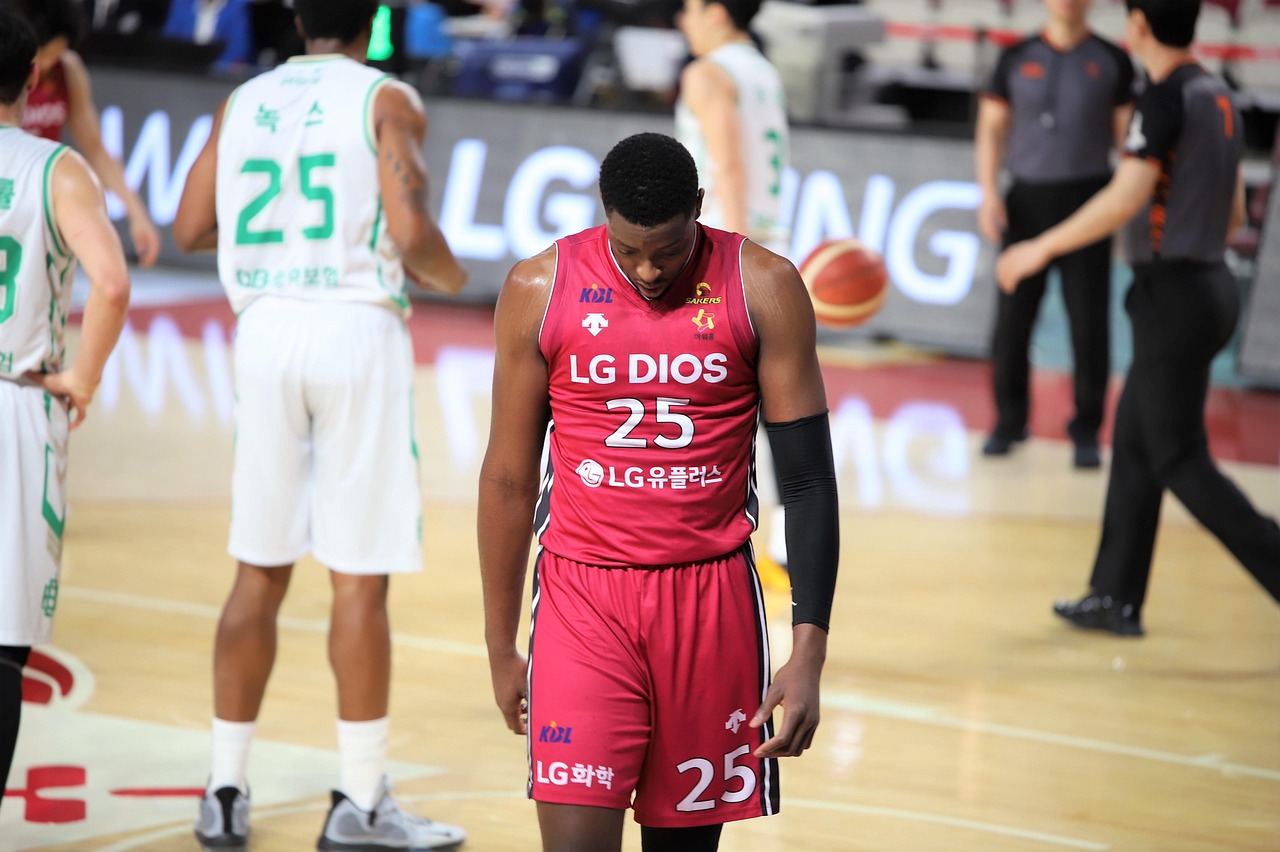
A Tuesday-night pickup run at the rec center. Somebody grabs a rebound, comes down on a defender’s foot, and the ankle rolls. Everybody winces. The same thing happens in a middle school practice and in the NBA Finals. Most basketball injuries come from a short list: ankle sprains, sore knees, torn ligaments, a jammed finger, a hit to the head. This page goes through each one in plain language. You’ll find what the research says lowers the risk, what the evidence on ankle braces and tape really shows, and the signs that mean stop and get it checked.
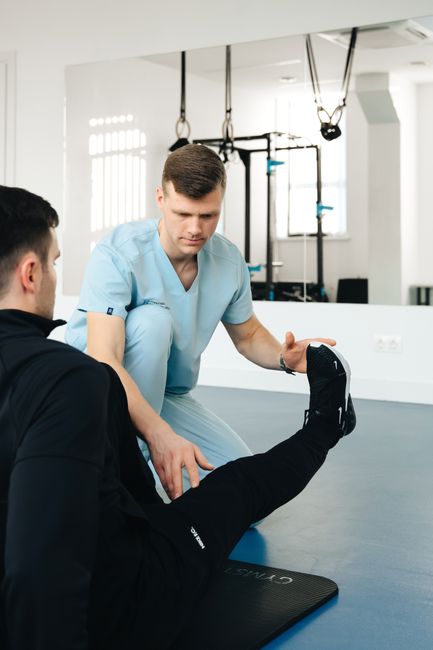
This is general information, not medical advice. If you’re hurt, see a sports medicine doctor, a physical therapist (PT) or a certified athletic trainer (AT). For the big picture of the sport, start at our basketball hub.
How often basketball players get hurt
The American Academy of Orthopaedic Surgeons (AAOS), citing the U.S. Consumer Product Safety Commission, says nearly 314,000 people went to an emergency room with a basketball injury in 2022, and more than a third were 5 to 14 years old. A national study of US high school basketball found 1.94 injuries per 1,000 athlete-exposures (one player in one practice or game). The rate in games was more than double the rate in practice. The ankle and foot took 39.7% of injuries, then the knee (14.7%), head, face and neck (13.6%) and arm and hand (9.6%). Girls had a bigger share of concussions and knee injuries. Boys had more fractures and bruises.
In the NBA, a 17-season study found lateral ankle sprains were the most frequent orthopaedic injury (13.2%), followed by front-of-knee pain (patellofemoral inflammation, 11.9%), which cost the most games.
The most common basketball injuries
Ankle sprains
This is the classic basketball injury. In a courtside study of mostly recreational players, ankle injuries happened 3.85 times per 1,000 participations. Landing was the most common way they happened (45%), and almost half of the injured players missed a week or more. Two findings matter most for prevention. Players with a past ankle injury were almost five times as likely to hurt an ankle again. And more than half of the injured players never saw anyone about it. The National Athletic Trainers’ Association (NATA) also calls a previous sprain the most consistent risk factor. That’s why the first sprain deserves real rehab, not just “walk it off”. Can’t put weight on it, or does it look misshapen? See a doctor.
Jumper’s knee (patellar tendinopathy)
Pain just below the kneecap that shows up when you jump, land or climb stairs is often the patellar tendon complaining. It is very common in jumping sports. In a study of 613 elite athletes from different sports, 31.9% of basketball players had current jumper’s knee, second only to volleyball (44.6%). Young players get it too. In elite junior players aged 14 to 18, 7% of tendons met the clinical criteria (11% in boys, 2% in girls). Have a sports medicine doctor or PT look at it early, before it becomes a season-long problem.
ACL tears, and why girls and women face a higher risk
The anterior cruciate ligament (ACL) usually tears when a player plants and cuts, pivots, or lands with the knee nearly straight. AAOS lists a “pop”, fast swelling and a knee that gives way as the classic signs. In 13 years of NCAA data, women’s basketball players tore their ACL at 0.29 per 1,000 athlete-exposures, against 0.08 for men, more than three times the rate. Most tears in both groups happened without contact. In high school, knee ligament sprains were the most common girls’ injury needing surgery (47.9%). The same researchers point out that the actual risk is still low, and it should never be a reason not to play.
Achilles tendon injuries
AAOS lists Achilles tendinitis and Achilles rupture among the main basketball injuries. A rupture usually happens when the calf is stretched quickly, for example landing from a jump or cutting hard. People often hear a pop and then can’t push off or stand on their toes. In a study of 18 NBA players who had surgery for a full rupture between 1988 and 2011, seven never played another NBA game. A sudden pop means same-day care.
Jammed fingers, finger fractures and mallet finger
A pass you don’t see coming, a deflection, a rebound in traffic. A finger hit on the end is “jammed”. AAOS says some “sprains” are really fractures or dislocations that need prompt care, and to see a doctor if pain and swelling last more than 48 hours. Watch for mallet finger: the ball hits the tip and the last joint droops, straightening only if you push it up. AAOS advises seeing a hand specialist as soon as possible, ideally within a week. Get help the same day if there’s blood under the nail or the nail has come loose. Buddy taping to the next finger is something your doctor or AT may suggest once a fracture has been ruled out.
Other injuries to know
AAOS also lists hamstring and quad strains, MCL sprains and stress fractures in the foot and lower leg. For protection it suggests mouth guards and sports goggles instead of regular glasses.
Concussion: recognize and remove
Concussions were 7.0% of US high school basketball injuries, and girls had a bigger share than boys. The CDC’s HEADS UP program asks coaches and parents to watch for a player who looks dazed or confused, is slow to respond or moves clumsily. Listen for headache, dizziness or balance problems, nausea, vision problems, sensitivity to light or noise, feeling slowed down or foggy, or mood changes.
- Remove the player from play right away if you see signs after a blow to the head or body. When in doubt, sit them out.
- Keep them out for the rest of the day and until a healthcare provider clears them. Don’t try to judge how serious it is yourself.
- Return in steps. Going back to sport is gradual and usually takes a week or more. One NBA study found that players who had a concussion were more likely to suffer a lower-leg injury in the 90 days after returning, which is one more reason not to rush.
- Call 911 for danger signs: a headache that gets worse and won’t go away, repeated vomiting, seizures, passing out or growing drowsiness, slurred speech or weakness, or unequal pupils or double vision.
Ankle braces and tape: what the evidence says
The short answer: support helps, especially if you’ve sprained an ankle before.
- Lace-up braces in high school basketball: a randomized trial followed 1,460 boys and girls from 46 high schools. Acute ankle injuries ran at 0.47 per 1,000 exposures in braced players against 1.41 in unbraced players, about a two-thirds drop. It helped players with and without a past sprain. The braces lowered how often injuries happened, not how bad they were.
- NATA’s position: athletes with a previous ankle sprain should wear tape or a brace for all practices and games. Lace-up braces, semi-rigid braces and tape all reduce repeat sprains. The benefit is much bigger after a past sprain. In the studies NATA reviewed, you had to brace 5 previously injured athletes to prevent one sprain, against 57 athletes with no history.
- Brace or tape? Both work. Tape needs a skilled hand and loosens during play; a brace is reusable and you put it on yourself.
- Not a replacement for rehab: NATA also recommends a balance and neuromuscular training program lasting at least three months. A brace is a seatbelt, not a fix.
Many players keep a lace-up brace like the ASO EVO Ankle Stabilizer in the bag, and trainers still go through rolls of zinc-oxide tape such as Mueller MTape. For the dental side, a basketball mouth guard like the Shock Doctor Trash Talker lets you talk and drink without taking it out. Our ankle brace guide compares more options, and your AT or PT can tell you what fits your ankle and your history.
ASO EVO Ankle Stabilizer
- Lace-up with figure-8 straps
- Fits left or right foot
- Low profile, fits in shoes
Mueller MTape Athletic Tape
- 1.5 in x 15 yd, 2 rolls
- Zinc-oxide adhesive
- Tears by hand
Shock Doctor Trash Talker
- Strapless, low profile
- Talk and drink with it in
- No-boil fitting, remoldable
Injury prevention: warm-ups that work
Structured warm-ups with balance, strength, jumping and landing work have the best evidence in basketball:
- Balance training in high school: in a trial with 920 Canadian players aged 12–18, adding a wobble-board balance program to the warm-up lowered acute injuries (relative risk 0.71). It also showed a trend toward fewer ankle sprains, even though only about 60% of players did the home part.
- The FIFA 11+ in basketball: soccer’s 20-minute warm-up was tested with 11 teams of one elite men’s basketball club, most of them youth players. Injuries fell from 2.16 to 0.95 per 1,000 athlete-exposures. See how it works on our soccer injuries page.
- Jump-and-land training for girls: in a classic study of high school girls in soccer, volleyball and basketball, untrained girls had 3.6 times the rate of serious knee injury of girls who did a preseason plyometric program. A later meta-analysis found the biggest drop in ACL injuries when these programs start in the mid-teens. Our basketball training guide shows how to build them in.
- Don’t overload young players: the NBA and USA Basketball recommend waiting until 14 or older to specialize in basketball, taking at least one day a week off organized basketball and getting time away each year. AAOS adds one team per season. More on our youth basketball page.
When to see a doctor, PT or athletic trainer
AAOS’s rule is simple: don’t play through pain. Get it checked if you notice any of these:
- You can’t put weight on the leg, or a joint looks out of shape.
- The knee went “pop”, swelled fast or gives way.
- You heard a pop at the back of the heel, or can’t rise onto your toes.
- A finger stays swollen and painful after two days, looks crooked, or the tip droops.
- There are any concussion signs.
- Pain gets worse with each practice, which can point to a tendon problem or a stress fracture.
A sports medicine physician diagnoses the problem and manages most injuries without surgery. A physical therapist guides rehab and the return to play. Athletic trainers are licensed or regulated health care professionals who work with physicians, and many high schools and colleges have one at practice. AAOS’s return-to-play checklist covers symptoms gone, no pain, full range of motion and normal strength, plus a doctor’s clearance after a concussion. NATA adds that the injured leg should perform at least 80% as well as the healthy one before sport-specific drills.
Basketball injury FAQs
What is the most common injury in basketball?
The ankle sprain. It’s the top orthopaedic injury in NBA data, and the ankle and foot account for about 40% of injuries in US high school basketball. Landing on someone else’s foot is a classic cause.
Do ankle braces prevent ankle sprains in basketball?
Research says they lower the risk. In a trial of 1,460 high school players, lace-up braces cut acute ankle injuries by about two-thirds, though injuries that did happen weren’t milder. NATA recommends tape or a brace for every practice and game if you’ve sprained an ankle before.
Why do female basketball players tear their ACL more often?
Researchers point to several things together, including how athletes land and cut. In NCAA basketball, women tore their ACL at more than three times the rate of men. Neuromuscular warm-ups with jumping, landing and strength work lower the risk, especially when they start in the early-to-mid teens.
Can I keep playing with jumper’s knee?
Tendon pain often builds slowly and comes back if you ignore it. Many players keep training on an adjusted plan, but have a sports medicine doctor or PT check it first so they can set the right load for you.
When should a jammed finger be X-rayed?
AAOS says to see a doctor if pain and swelling last more than 48 hours. Go sooner if the finger looks crooked, won’t move fully, or the tip droops (mallet finger). Some “jammed” fingers turn out to be fractures or dislocations.
Warm up with purpose, rehab the first sprain, protect the ankle that has rolled before and sit out anything that looks like a concussion. Keep going with our training, game-day and recovery guides, and our knee sleeves and ankle brace guides.