This article contains affiliate links: if you buy through them we may earn a commission, at no extra cost to you. Learn more.
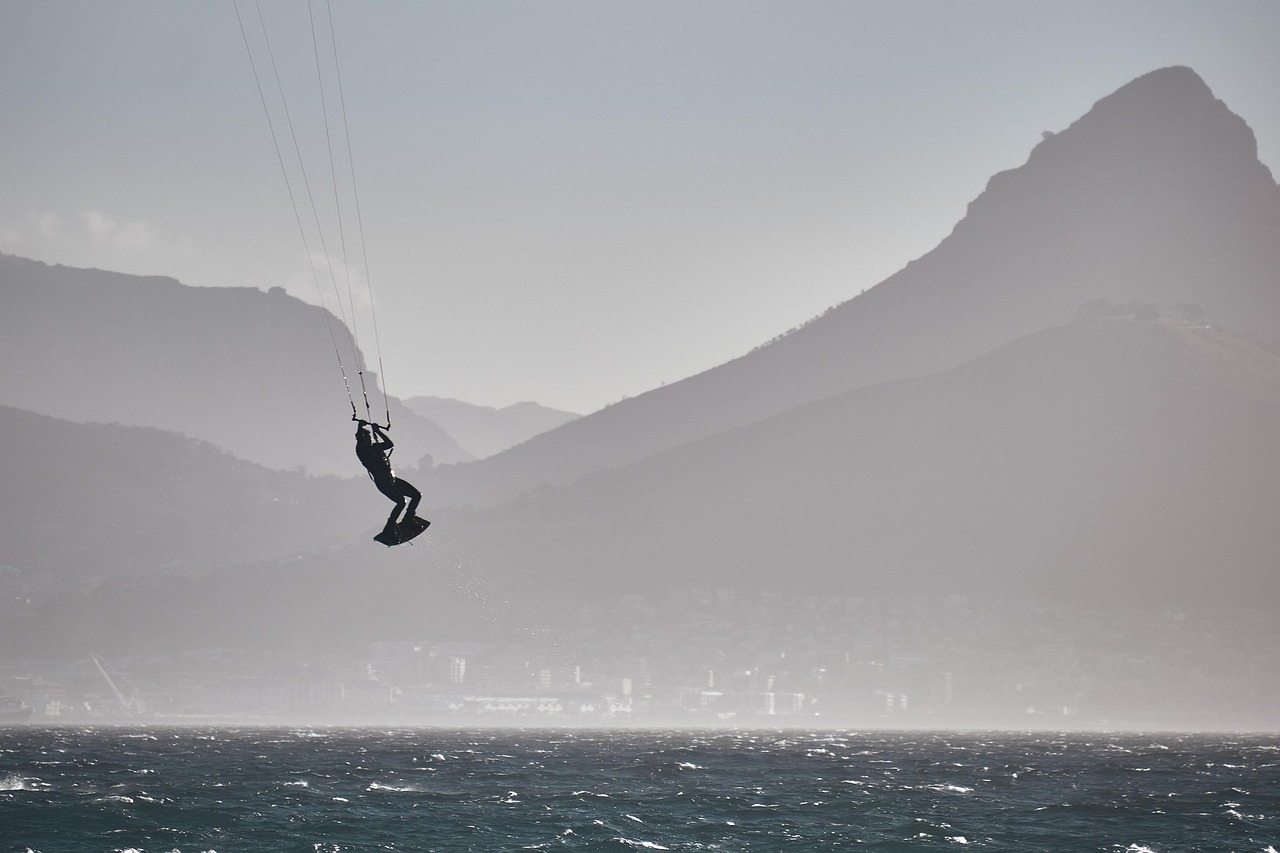
A warm afternoon, 20 knots steady, a dozen kites hanging over the bay and riders boosting jumps off the chop. Then a dark line on the water upwind: a gust. Most riders sheet out and ride through it. One rider near the beach gets yanked off the board, dragged across the sand and lifted a few meters into the air. That is the moment every kiter fears, and it’s why kitesurfing injuries are about more than sprained ankles. This page covers what the published research says hurts kitesurfers and kitefoilers, what lowers the risk, and when to get help.
This page is general information, not medical advice. If you’re hurt, see a sports medicine doctor, physical therapist (PT) or certified athletic trainer (AT). For the bigger picture, start at our kitesurfing hub; windsurfers will find their own page at windsurfing injuries.
How risky is kitesurfing? What the numbers say
Prospective studies that followed riders through a season counted about 7 injuries per 1,000 hours of riding (235 kitesurfers, 2004) and 10.5 per 1,000 hours in a Dutch cohort of 194 riders (2020). Most were cuts, bruises and sprains, but both also recorded serious injuries.
The largest survey so far (3,138 kitesurfers from 103 countries, published in 2026) counted only major injuries and found 4.8 per 1,000 hours. The single biggest risk factor was experience: beginners reported about 65 injuries per 1,000 hours, intermediates 3.3 and professionals 1.1. The most common major injuries were cuts and abrasions (23%), rib injuries (12%), knee ligament injuries (6%), foot and ankle fractures (5%), foot and ankle sprains (5%) and concussions (5%).
Where riders get hurt depends on how they ride. In the Dutch cohort, the foot and ankle (32%) and the knee (14%) were the most injured body parts. In the 2026 survey, freestyle riders had the highest share of knee ligament injuries (10%) and racers the most cuts. A North Sea hospital study counted 7.0 injuries per 1,000 hours of kitesurfing and linked them to high jumps, gusts and problems controlling the kite.
Kite lofting and dragging: the accidents that matter most
Lofting is when a gust or a kite in the wrong spot lifts the rider off the ground or water without control. Dragging is being pulled along the beach or into obstacles. The early research is blunt: in the 2004 prospective study, 56% of injuries were blamed on not being able to detach from the kite after losing control of it. In Cape Town, 25 of 30 air rescues of kitesurfers over one season were put down to the same problem. In a Norwegian review of serious kiting accidents, riders were lifted by the kite toward rocks, a pier and a parked car; gusts were a factor in 8 of 33 accidents, and riders blamed their own error or lack of experience in 82%.
Modern kites have depower and quick-release systems, but a release only helps if you use it: in the North Sea hospital study, 92% of injured kitesurfers had a quick release and only 31% deployed it. How to lower your risk, following the safety rules of VDWS, the German association of water-sports schools:
- Don’t kite in gusty wind. The US National Weather Service defines a gust as a swing of 10 knots or more between peaks and lulls.
- Give yourself room. VDWS says to allow at least 3 line lengths of space for landing, check for obstacles downwind and plan an emergency landing spot further downwind.
- Test your quick release before every session and make sure it can’t open by accident; practice pulling it until it’s automatic. Sand and salt make releases stick, so rinse them.
- Pick the right kite size for the wind, and get off the water early when the wind builds.
- Take lessons. With injury rates that high for beginners, a certified school is the best safety gear you can buy. Riders in the Norwegian study called for a mandatory course.
Impacts with the water, the board, the beach and objects
Jumps are where many injuries happen. In the 2026 survey, Big Air riders mostly hurt their ribs (19% of their injuries), had concussions (7%) and knee ligament injuries (7%). A 2025 sensor study of jumping kitesurfers found failed kiteloops landed much harder than successful ones, because the kite wasn’t there to act as a parachute. Freeriders, the biggest group, mostly got cuts, rib injuries and foot and ankle fractures, likely from shallow water, the authors say.
Head injuries and concussion. Riders hit the water, their own board or the beach. Use the CDC HEADS UP rule: if you think someone has a concussion, take them out of the water for the rest of the day, and they don’t ride again until a health care provider clears them. Call 911 for danger signs: one pupil larger than the other, a worsening headache, slurred speech, weakness or numbness, repeated vomiting, seizures, increasing confusion or loss of consciousness.
Helmets and impact vests. Use is still low: under 30% of injured riders in the North Sea study wore any protective gear, and only a third of the Norwegian water accidents involved a helmet. Studies haven’t proven they prevent kite injuries, but researchers keep recommending them, along with a life vest. A water helmet like the Pro-Tec Ace Water (CE EN 1385) and an impact vest like the Ride Engine Defender HF are common choices. An impact vest isn’t automatically a life jacket; check the label.
Foil boards: cuts from the wing and mast
Hydrofoils have made kiting faster and quieter, and Formula Kite, raced on foils, is now an Olympic class. They’ve also added a new hazard: a carbon or aluminum wing under the board that can cut. In a 2023 survey of 415 wingfoilers, who ride similar foils, the most common cause of injury was contact with your own gear, and the foil or mast was the biggest single source (26%), ahead of the board (20%). Most injuries were bruises, strains, cuts and abrasions to the feet and lower legs. The authors recommend cut-resistant neoprene shoes in any water temperature and shin guards. In kitesurfing’s race discipline, where riders are on foils at high speed, 31% of major injuries in the 2026 survey were cuts.
- Fall away from the foil, never toward it, and protect your head with your arms.
- Keep foils away from swimmers; serious foil injuries in the literature were mostly to other people in crowded water.
- Use foil-edge covers on the beach, and wear booties like the O’Neill Reactor 2 mm reef boot.
- Cuts in seawater can get infected. The CDC advises staying out of salt or brackish water with an open wound if you can, covering it with a waterproof bandage, and washing it with soap and clean running water. Redness, heat, swelling or fever means see a doctor.
Knee and ankle injuries
Feet are strapped or bound to a board that hits chop at speed and lands from height, so the lower body takes most of the damage. A 2025 review of 25 studies found that on average half of kitesurfing injuries were below the knee. In the 2026 survey, knee ligament injuries (ACL, PCL, MCL, LCL) caused the most lost time of any injury, averaging about five months out, and only 64% of riders got back to their old level. Foot and ankle fractures averaged almost four months out.
Not every problem comes from a crash. A review of kitesurfing biomechanics found riders feel their lower back and thigh muscles working hardest, and that the abdominals, knees and feet are common spots for pain and discomfort. Strength and landing work help; see kitesurfing training. After a knee sprain, a sleeve like the Bauerfeind GenuTrain is comfortable for some riders, but it’s not a substitute for rehab; ask your PT. More options in our best knee sleeves and best ankle braces guides.
Drowning and cold water
A kiter in trouble is often far from shore, tired and drifting offshore. In the Cape Town rescues, two riders had hypothermia and one was exhausted, and none of the 30 rescued riders wore a life vest. In the Norwegian study, only 4 of 14 injured kitesurfers used a life vest.
- Cold water is anything 70°F (21°C) or lower, says the National Weather Service. The first minute brings cold shock (gasping); within about 10 minutes you can lose muscle control. Dress for the water temperature, not the air.
- Know self-rescue (depowering the kite, winding the lines and using the kite as a sail to get back), and practice it in easy conditions before you need it.
- Never ride alone (VDWS), and avoid offshore wind unless there’s a boat backup.
- Wear flotation when you’re learning, far out or alone in cold water, and consider a personal locator beacon (see best wearables).
- Hypothermia signs (CDC): shivering, exhaustion, confusion, fumbling hands, slurred speech, drowsiness. Get the person somewhere warm, remove wet clothes and warm the core; a body temperature below 95°F is an emergency.
Sun, eyes and ears
In a survey of 240 elite athletes in board and sailing sports at world championships, 77% had been sunburned the previous season and 28% had three or more burns that lasted at least a day. The American Academy of Dermatology recommends broad-spectrum, water-resistant SPF 30+ sunscreen, reapplied every 2 hours and after getting wet, plus a long-sleeve UPF top. Wind, sun and spray can also cause pterygium (“surfer’s eye”), says the American Academy of Ophthalmology. Surfer’s ear (bony growth in the ear canal from cold water and wind) is common in wind-sport riders; a German study that included kitesurfers found wearing a neoprene hood was linked to less severe cases. More on this in Session Day.
Protective gear many riders use
Pro-Tec Ace Water Helmet
- CE EN 1385 water-sports standard
- 15 vents for drainage
- Sizes XS to XL
Ride Engine Defender HF Impact Vest
- Built for kite and foil riding
- Impact shells in high-risk areas
- Not a life jacket
O'Neill Reactor 2 mm Reef Boot
- 2 mm neoprene
- Thick textured rubber sole
- Round toe
When to see a sports medicine doctor, PT or athletic trainer
- Call 911 right away: any concussion danger sign, a near-drowning (even if the rider seems fine afterward), a hard fall from height onto the beach or water, a possible broken bone or spine injury (keep the person still), severe chest pain or trouble breathing after a rib impact, or hypothermia.
- Within a day or two: a pop and swelling in the knee, you can’t bear weight, a suspected concussion, a deep cut from a fin or foil, or rib pain that makes it hard to breathe deeply.
- Soon: low-back or shoulder pain that keeps coming back, a cut that looks infected, ear pain or hearing loss, or a growth on the white of the eye.
Return to riding is a process, not a date: strength work, then easy riding in steady, moderate wind, jumps last, guided by whoever is treating you. See our kitesurfing recovery page, and compare with surfing injuries and soccer injuries.
Kitesurfing injuries: FAQs
What is the most common kitesurfing injury?
Cuts and abrasions, followed by bruises, sprains and rib injuries. Feet, ankles and knees are the most often injured body parts. The injuries that keep riders out longest are knee ligament injuries and lower-leg fractures.
What is kite lofting?
Being lifted off the ground or water by the kite without control, usually by a gust, or by sending the kite through its power zone while standing on the beach. Avoid gusty days, keep three line lengths of clear space downwind, and practice using your quick release.
Should I wear a helmet for kitesurfing?
Many researchers recommend one. Studies haven’t yet proven they cut kite injuries, but head injuries make up a meaningful share of kite injuries and helmets cost little. Learners, foilers, jumpers and anyone riding near rocks or crowds have the most reason to wear one.
Are hydrofoils dangerous?
They add a sharp, fast-moving object under the board. Cuts were 31% of major injuries in kitesurfing’s race discipline, and foil injuries mostly hit the feet and shins. Booties, shin guards, falling away from the foil and keeping clear of swimmers all help.