This article contains affiliate links: if you buy through them we may earn a commission, at no extra cost to you. Learn more.
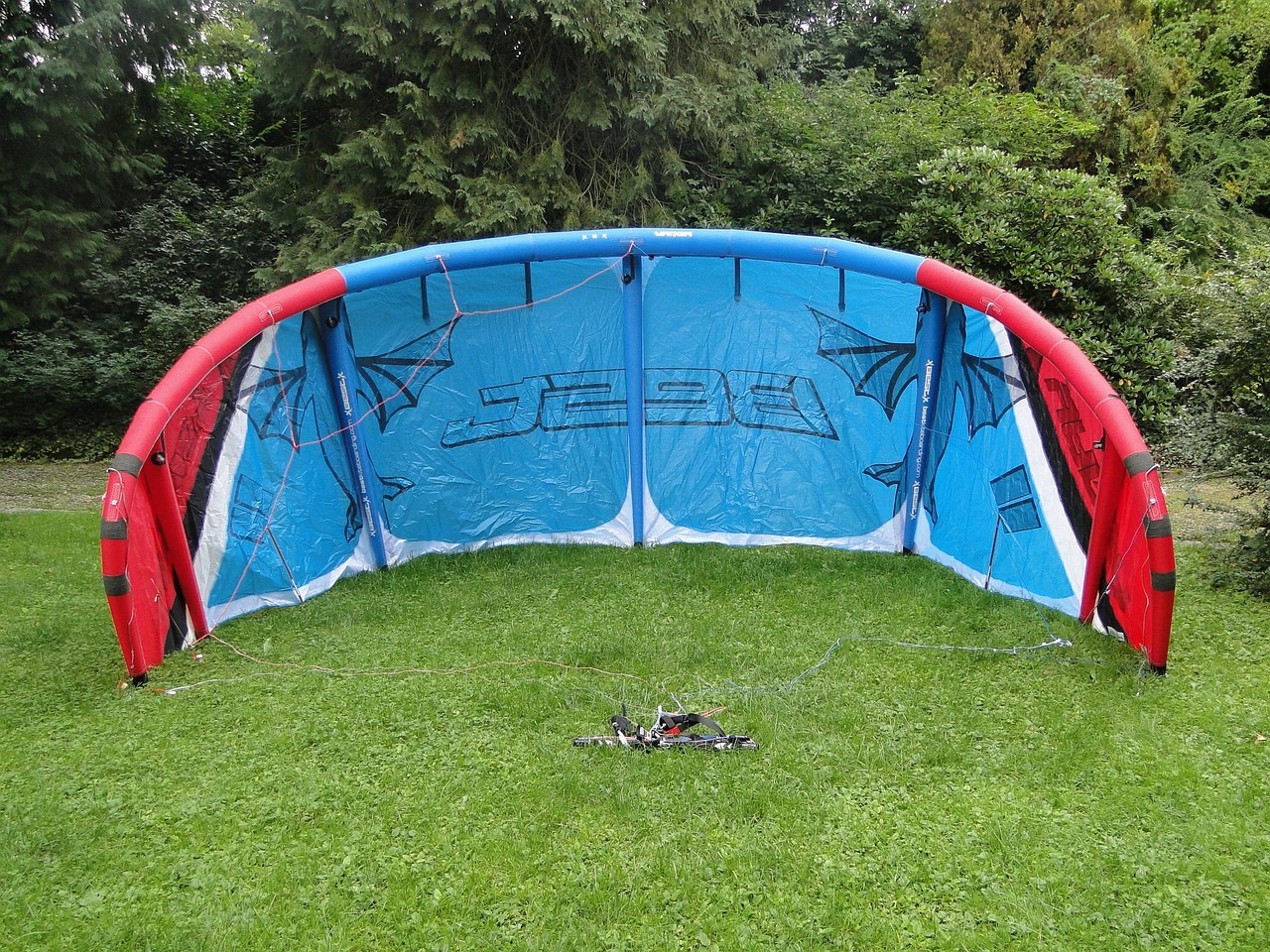
The forecast says no wind for ten days. The kites are drying in the garage, the board is leaning on the wall, and every rider faces the same question: what now? Flat spells are where good seasons are built. Kitesurfing looks effortless when the kite does the work, but your legs hold an edge against its pull, your core links harness to board, your hands steer the bar through gusts, and on every landing your knees take the hit. This page is about kitesurfing training on land: core, leg strength, landings, grip, balance, cardio and kite skills, for teen riders, weekend warriors, big-air jumpers, foilers and Formula Kite racers.
General information, not medical advice or a personal program. If you’re coming back from an injury or have a health condition, check with a sports medicine doctor, physical therapist or certified athletic trainer first. Back to the kitesurfing hub.
What a kite session asks of your body
- Kitesurfing is real cardio. In a 2026 study of 112 recreational kitesurfers riding a set course for 40 to 50 minutes in 17 to 22 knots, heart rate averaged about 78% of maximum. An older study of elite riders crossing in light wind (12 to 15 knots) found about 81% of max heart rate and low blood lactate: steady aerobic work, not all-out sprinting.
- Legs, lower back and core take the strain. A review of kitesurfing biomechanics found riders feel the lower back and thigh muscles working hardest, while abdominals, knees and feet are common spots for pain. The same review notes speeds of up to 35 knots and jumps of up to 15 meters.
- Landings are heavy. Sensor insoles on jumping kitesurfers recorded peak landing forces of more than 3,000 newtons, and failed kiteloops landed harder than successful ones. Fixed boot bindings allowed higher forces than straps.
- Racing is about speed. In a GPS study of 42 Olympic Formula Kite riders across three World Cups, the top racers were faster upwind, downwind and on a beam reach, and boat speed mattered more than tactics. That speed comes from holding a foil kite’s power for whole races.
Train for your discipline
The largest kitesurfing injury survey to date (3,138 riders in 103 countries) found each style hurts riders in its own way, which is a good guide for what to train:
| Discipline | Top injury pattern in the survey | Training focus |
|---|---|---|
| Big air | Rib injuries (about 19%), concussion (about 7%) | Landing control, trunk strength, kite control before height |
| Freestyle | Knee ligament injuries (about 10%) | Leg strength, landing drills, hamstrings |
| Freeride | Cuts (about 31%), foot and ankle fractures | Ankles, balance; booties and shallow-water awareness |
| Race and foil | Cuts (about 31%) | Leg endurance, cardio, foil awareness |
Skill matters most of all: beginners in the same survey had about 65 major injuries per 1,000 hours, against about 2 for advanced riders. Lessons and kite control are part of training. More on this in kitesurfing injuries.
Core: link the harness to the board
The harness carries most of the kite’s pull at your waist or hips, so your trunk has to stay stiff and transfer that force to your edge. Think anti-rotation and anti-extension, not endless crunches. These are common choices, not a prescription:
- Front and side planks, building to 45 to 60 seconds with good form.
- Pallof press with a band: resist the band pulling you sideways, much like a kite pulling at the harness.
- Dead bugs and bird dogs for a stable lower back.
- Back extensions or hip hinges (Romanian deadlifts) for the back muscles that hold you in the stance, which riders report as one of the hardest-working areas.
- Rotation with control: slow cable or band chops for the twist into a jump and the rotation of a kiteloop.
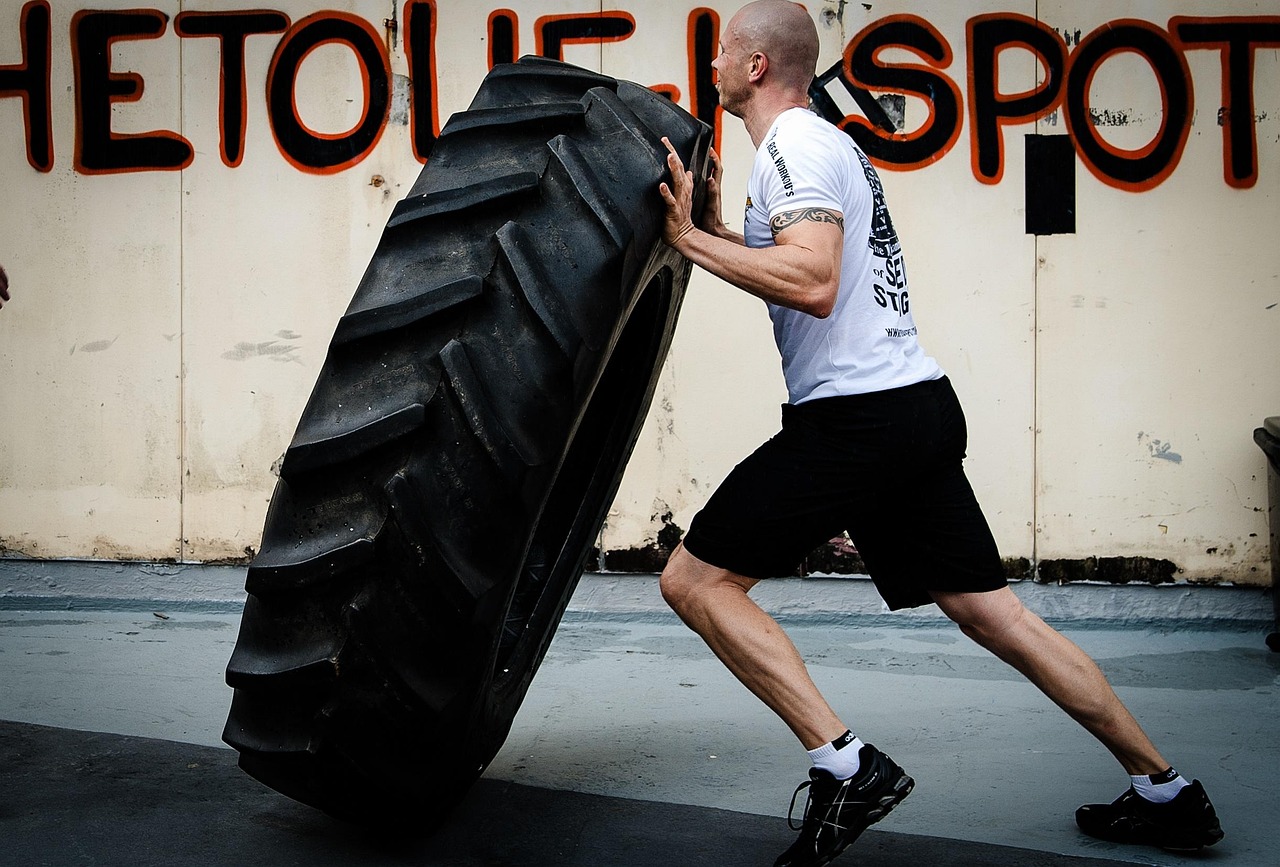
Leg strength and landing control
Knee ligament injuries cause the most lost time of any kitesurfing injury in that survey, about five months on average, and female riders reported more of them. That’s the same pattern seen in soccer and basketball, where jump-landing and strength programs work: a summary of eight meta-analyses found they cut ACL injuries by about half. You don’t need a team program to borrow the idea:
- Squats, split squats and step-ups for the quads and glutes that hold your edge.
- Wall sits for long reaches with the board on edge, and longer holds for foilers and racers.
- Landing drills: jump and stick the landing softly, knees bent and tracking over the toes (not caving in). Progress from two feet to one foot, then add a turn.
- Calf raises and single-leg balance for ankles that take chop and landings.
- Hamstrings: Romanian deadlifts or Nordic curls, which help protect the knee.
Grip, arms and shoulders
Kiters hang mostly from the harness, but the hands still matter: steering the bar through gusts, unhooked tricks, handle passes, body-dragging back to a lost board and handling the bar when something goes wrong. Work grip and shoulders a couple of times a week after your main training:
- Dead hangs from a pull-up bar, building time, plus pull-ups or rows for unhooked riding.
- Farmer’s carries with heavy dumbbells or kettlebells.
- Finger and wrist work: a finger trainer like the Prohands Gripmaster, wrist curls and reverse wrist curls, and rubber-band finger extensions to balance the grip muscles.
- Shoulder care: band external rotations and pull-aparts. A loop band set like WODFitters covers assisted pull-ups and shoulder work.
Ease in: forearm tendons adapt more slowly than muscles, so pain at the elbow that builds over weeks is a reason to back off and get it checked.
Balance and board feel
Kitesurfers have better balance than non-riders: in a study using a standard balance test (the star excursion test), 14 kitesurfers reached further than 15 sedentary men in several directions. Balance training on land keeps that sharp when there’s no wind. A balance board like the Indo Board is a favorite with board-sport riders: start on carpet with a cushion under it, hold the board level, then add squats, a stance switch or catching a light ball. Single-leg work on a folded towel or pillow and slow yoga flows also help. Do balance work after a warm-up and away from furniture; a fall from a roller board can sprain a wrist or ankle too.
Kite skills on land
Most serious kite accidents start with a control error, not a lack of muscle: in a Norwegian study, operator error or inexperience was behind 82% of serious accidents. A small trainer kite on a park or beach builds that control without a board or a big kite. The Slingshot B3 3 m trainer is sold for learning kite skills before you pay for lessons. Practice flying the kite in the wind window by feel, figure eights with your eyes off the kite, one-handed steering and smooth landings with a helper. Keep it small, in light wind and well away from people, roads and power lines, and never clip a trainer kite to a harness. On the water, the habit that matters most is using your quick release: practice it on every session. The kitesurfing rules and safety page covers the basics.
Cardio for long sessions and racing
- Base: 2 to 3 sessions a week of 30 to 45 minutes of steady cycling, running, rowing or swimming at a pace where you can still talk. That matches the steady aerobic work kiting studies found.
- Intervals for racers, foilers and big-air riders: bike or rowing intervals (for example, short hard efforts with equal rest) build the punch for starts, jumps and gust handling.
- Swim fitness: IKO’s first kite course asks for a minimum swimming level, and being able to swim a good distance in open water matters for the day you lose your board and have to self-rescue.
A heart-rate watch makes this easy to track; see best wearables for kitesurfing.
Putting it together: a sample week
| Day | No-wind week | Windy week |
|---|---|---|
| Mon | Strength: legs + core (45 min) | Ride |
| Tue | Cardio base (30–45 min) + grip | Ride or rest |
| Wed | Balance board + trainer kite (30 min) | Short strength: core + shoulders (20 min) |
| Thu | Strength: upper body, grip, landing drills | Ride |
| Fri | Rest | Rest |
| Sat | Intervals (20–30 min) + balance | Ride |
| Sun | Easy activity or rest | Ride or rest |
This is an example, not a prescription. Teens should follow the American Academy of Pediatrics’ advice of at least 1 to 2 days off a week from organized sport. Warm up before every session on the water too: a few minutes of jogging on the beach, arm circles, hip swings and squats. For days after big sessions, see kitesurfing recovery. Windsurfers have their own page: windsurfing training. Field-sport athletes can compare soccer training, and our best resistance bands guide covers band options.
Indo Board Original Balance Trainer
- Deck + roller
- Board-sport balance at home
- Add a cushion to start easier
Slingshot B3 Trainer Kite (3 m)
- 3 m trainer kite
- Learn kite control before lessons
- About $269
Prohands Gripmaster Hand Exerciser
- Finger-piston design
- Trains each finger
- Several tensions; about $22
WODFitters Pull-Up Assistance Bands
- 5-band set, layered latex
- Assisted pull-ups
- Pull-aparts and rotations
Kitesurfing training: FAQs
What muscles does kitesurfing work?
Mostly the thighs, glutes, lower back and core, which hold your edge against the kite’s pull, plus the calves and ankles for chop and landings. Riders in studies feel the lower back and thighs working hardest.
Is kitesurfing a good workout?
Yes. In studies, riders averaged roughly 78 to 81% of their maximum heart rate, which is solid aerobic exercise, and jumping adds strength and power demands on top.
Is a trainer kite worth it?
For many beginners, yes. Flying a small trainer kite on land builds the steering feel your instructor will ask for, so lesson time goes further. It doesn’t replace lessons with a certified school.
Do balance boards help kitesurfing?
They’re a popular way to keep board feel and ankle control when there’s no wind. Kitesurfers already score better than non-riders on balance tests; a board helps keep that up. Start on carpet and progress slowly.
How can I protect my knees for jumping?
Build leg strength, practice soft landings on land, progress jump height slowly and keep the kite in the right place for landing; failed kiteloops landed much harder in a sensor study. Knee pain or a pop with swelling needs a sports medicine doctor or PT.