This article contains affiliate links: if you buy through them we may earn a commission, at no extra cost to you. Learn more.
Every martial artist’s bag looks a little different. A karateka packs a folded gi, red and blue mitts and a pair of foot protectors. A taekwondo kid’s bag bulges with a chest protector and headgear. A judoka carries a heavy, slightly damp gi that weighs more than the rest of the bag. A jiu-jitsu player has two gis, a rash guard, sandals and a bar of soap. Good martial arts gear protects your teeth, your hands and your training partners, lets you grip and be gripped, and keeps your skin healthy on shared mats. Here’s what you need for karate, taekwondo, judo and BJJ, what the competition rules require, a few mats for training at home and the recovery gear worth having.
Buying guide · Our Martial Arts buying guide compares the gear we'd pick, with prices and sizing:
Prices change often. The prices below are what we saw at the maker or a major retailer in October 2026; check the current price before you buy.
What the rules require
- Karate (WKF kumite): WKF-approved mitts, a mouthguard, a body protector, shin pads and foot protectors (one athlete in red, one in blue) and a groin guard for men. Under 14, a WKF helmet and chest protector are required too.
- Taekwondo (World Taekwondo): a WT-approved dobok, electronic trunk and head protectors (PSS), groin guard, forearm and shin guards, gloves, sensing socks and a white or clear mouthguard at least 3 mm thick. At most events the electronic gear is supplied.
- Judo: a judogi (white or blue at higher-level events, where it may be checked at judogi control). Hard or metal objects aren’t allowed.
- Brazilian jiu-jitsu (IBJJF): a cotton gi that’s completely white, royal blue or black (pearl weave from age 16 up), without mended tears or odors; or, for no-gi, a tight rash guard in black, white or your belt color and shorts with no pockets or zippers. Nails short, long hair tied up.
Your school’s rules come first for class, and federations publish approved-equipment lists for their events. More on our martial arts rules page.
Our top picks
Ronin Lightweight Karate Gi
- 100% cotton
- Student training uniform
- Kids and adult sizes, about $70
Daedo Shodan Karate Uniform
- WKF approved (listing)
- 80/20 poly-cotton
- About $99
adidas ADI-START II Taekwondo Dobok
- World Taekwondo approved (listing)
- V-neck
- About $43
FUJI Single Weave Judo Gi with Belt
- Single weave, cotton blend
- White belt included
- About $65
Hayabusa Classic Pearl Weave Jiu Jitsu Gi
- Pearl weave
- For men and women
- About $100
Daedo WKF Approved Karate Gloves
- WKF approved (listing)
- Padded sparring mitts
- About $30
Shock Doctor Gel Max Mouthguard
- Boil-and-bite gel-fit liner
- Breathing channels
- Youth and adult
ProsourceFit Extra Thick Puzzle Mat (1 inch)
- 1-inch EVA foam tiles
- 24 sq ft, 6 tiles
- About $55
Martial arts gear compared
| Product | For | Key feature | About |
|---|---|---|---|
| Ronin Lightweight Karate Gi | Karate class | 100% cotton | $70 |
| Daedo Shodan | Karate competition | WKF approved (listing) | $99 |
| Daedo Beginner Uniform | Taekwondo | WT recognized, belt included | $28 |
| adidas ADI-START II | Taekwondo | WT approved (listing) | $43 |
| FUJI Single Weave | Judo | Belt included | $65 |
| Hayabusa Classic | BJJ (adult) | Pearl weave | $100 |
| Hayabusa Essential Kids | BJJ (kids) | IBJJF compliant (listing) | $80 |
| Daedo WKF Gloves | Karate sparring | WKF approved (listing) | $30 |
| ProsourceFit 1-inch | Home mat | 24 sq ft | $55 |
| We Sell Mats 2-inch folding | Home mat | 4 x 8 ft, folds | $150 |
Uniforms by art
The four uniforms look alike but are built differently. A karate gi is fairly light so it moves and snaps with punches and kicks. A taekwondo dobok has a V-neck pullover top. A judo gi is thick and reinforced because opponents grip and pull it hard for throws. A BJJ gi is also built for gripping, with a tighter cut; the IBJJF requires pearl weave from age 16 and sets sleeve and pant lengths. Don’t train judo or BJJ in a karate gi: it will tear.
- Karate: for class, the Ronin Lightweight Karate Gi is a 100% cotton student uniform in kids’ and adult sizes (about $70); Ronin also makes a 9.5 oz middleweight gi with a white belt (about $82). For WKF events, the Daedo Shodan is listed as WKF approved, in an 80/20 poly-cotton blend (about $99).
- Taekwondo: the Daedo Beginner Uniform is a white V-neck dobok with pants and belt, listed as WT recognized (about $28). The adidas ADI-START II is listed as World Taekwondo approved (about $43).
- Judo: the FUJI Single Weave Judo Gi is a 55% cotton, 45% polyester uniform with a white belt, with elastic-waist pants in the smallest kids’ sizes (about $65).
- BJJ: the Hayabusa Classic Pearl Weave Jiu Jitsu Gi fits men and women (about $100); for kids, the Hayabusa Essential Jiu Jitsu Gi Kids is listed as IBJJF compliant with a white belt (about $80). For no-gi, a rash guard such as the Hayabusa Fusion (about $55) or the Elite Sports Kids Rash Guard (about $17).
Check the FUJI Single Weave Judo Gi price on Amazon
Belts
Your instructor awards each new belt, and most beginner uniforms come with a white one. You may still want a spare or a better-made belt: the MACS solid-color double-wrap belt is a cotton rank belt in many colors and sizes for karate and taekwondo (about $10), and the Ronin BJJ belt is a poly-cotton jiu-jitsu belt (about $19). In BJJ, IBJJF rules set belt widths and the black bar where stripes go, so a proper BJJ belt matters for competition.
Sparring gear
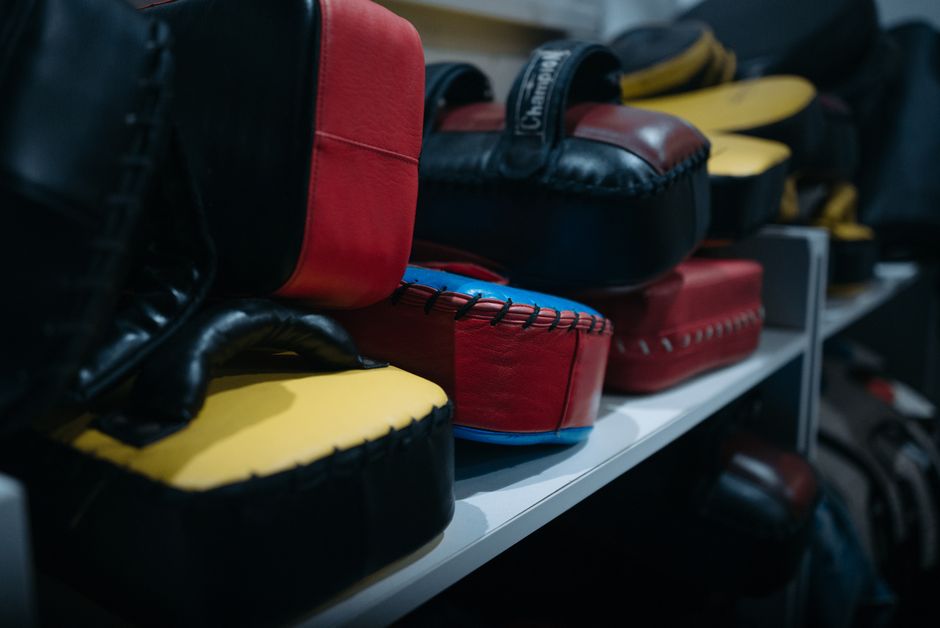
Karate and taekwondo sparring uses foam protectors for hands, shins and feet, plus headgear and a body or chest protector, depending on the school and event. For WKF-style karate, the Daedo WKF Approved Karate Gloves are padded mitts listed as WKF approved (about $30); Tokaido’s WKF karate mitt is another option (about $60). For taekwondo, buy the shin, forearm and groin guards and a mouthguard, and use the event’s electronic chest protector and headgear when it’s supplied; ask your school which brand it uses in class.
Be clear about what headgear does: according to the American Academy of Pediatrics, soft headgear probably helps prevent cuts and bruises, but there’s no evidence it reduces concussions. Wear it when required, and keep head contact light in training.
Check the Daedo WKF Karate Gloves price on Amazon
Mouthguards
Wear a mouthguard for any sparring, striking or grappling. The AAP notes mouthguards have been shown to reduce dental and mouth injuries in combat sports, though there’s no solid evidence they prevent concussions. The Shock Doctor Gel Max is a boil-and-bite guard with a gel-fit liner and breathing channels, in youth and adult sizes. For taekwondo competition, check the color rule: World Taekwondo allows only white or clear mouthguards, at least 3 mm thick.
Check the Shock Doctor Gel Max price on Amazon
Mats for home
A home mat is for drilling forms, footwork, stretching, solo grappling drills and light technique with a partner, not for hard throws. Thin puzzle mats are fine for kicks and kata; for breakfalls and rolling, go thicker. The ProsourceFit Extra Thick Puzzle Mat gives you six 1-inch EVA foam tiles covering 24 square feet (about $55). The We Sell Mats 2-inch folding mat is 4 by 8 feet and folds away (about $150), and the brand also sells 1-inch tatami-pattern martial arts tiles. Save real throws for your club’s mats and a coach’s eye.
Check the ProsourceFit 1-inch Puzzle Mat price on Amazon
Hygiene and recovery gear for the bag
Shared mats spread ringworm, impetigo, staph and herpes. The National Athletic Trainers’ Association recommends showering right after every session, not sharing towels, bar soap or gear, and washing training clothes and towels every day. Keep your own soap in the bag, such as Defense Soap tea tree bars (about $31 for five), wear sandals off the mat, and wash a gi after every class.
For recovery, a few tools go a long way: a TriggerPoint GRID foam roller (about $40) for hips and legs, the Hypervolt Go 3 massage gun (1.6 lb, five speeds, about $149) for tight forearms after a night of gi grips, and OOFOS OOahh slides for feet that have been barefoot on the mat (about $60). They’re about comfort, not treatment. See our recovery tools guide, massage guns, foam rollers and jiu-jitsu recovery.
Defense Soap Tea Tree Bar (5-pack)
- Tea tree and eucalyptus oils
- No SLS or added fragrance
- Five bars
TriggerPoint GRID 1.0 Foam Roller
- Hollow core
- Multi-density surface
- About $40
OOFOS OOahh Slide
- OOfoam slide
- APMA Seal of Acceptance
- Machine washable
How to choose martial arts gear
- Ask your school first. Many require their own uniform, patch or sparring gear brand.
- Match the gi to the art. Grappling arts need a heavy, grip-ready gi; striking arts a lighter one.
- Check approvals before a tournament. WKF, World Taekwondo and IBJJF events have equipment and uniform rules; “approved” on a listing is worth confirming on the federation’s list.
- Plan for shrinkage and growth. Follow the care label, check the maker’s size chart, and buy kids’ uniforms with a little room.
- Mouthguard first. It’s the cheapest, most important piece of sparring gear.
Related: our martial arts guide, martial arts for kids, the MMA gear and boxing gear pages for gloves and shin guards, wrestling gear for ear guards and mat cleaner, and knee sleeves for grapplers.
Martial arts gear questions
Can I use a karate gi for judo or jiu-jitsu?
Not really. Karate gis are lighter and aren’t made to be gripped and pulled, so they tear quickly in grappling. Judo and BJJ gis are heavier and reinforced, and IBJJF events require a pearl-weave gi from age 16.
What gear do I need for taekwondo sparring?
Under World Taekwondo rules: a trunk protector and headgear (electronic at most events), groin guard, forearm and shin guards, gloves, sensing socks where electronic scoring is used, and a white or clear mouthguard. In class, follow your school’s list.
What color gi can I wear in BJJ competition?
At IBJJF events, completely white, royal blue or black, with jacket and pants the same color. Organizers of adult black belt divisions may ask for one blue and one white gi.
How thick should a home martial arts mat be?
For kata, kicks and stretching, thin puzzle tiles work. For rolling and light breakfalls, 1 to 2 inches is more comfortable. Hard throws belong on a proper club mat with a coach.
How often should I wash my gi?
After every session. NATA recommends washing training clothes daily to keep skin infections off the mat, and IBJJF rules don’t allow dirty or smelly gis in competition. Follow the care label so it keeps its size.