This article contains affiliate links: if you buy through them we may earn a commission, at no extra cost to you. Learn more.
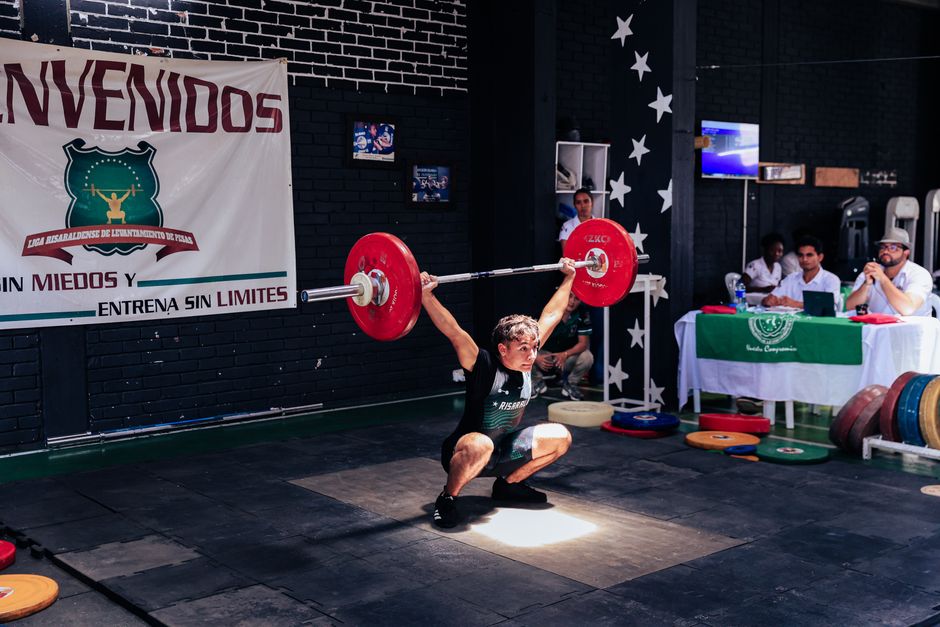
A 12-year-old at a USA Powerlifting youth meet walks up to a bar lighter than the standard 20 kg, loaded with small bumper plates so it sits at the normal height from the floor. Her coach gives a thumbs-up, the referee says “Down”, and her whole family cheers for a deadlift most adults would be proud of. In Texas, a freshman steps onto the platform at her first high school regional meet in school-colored socks. For many kids, youth powerlifting is the first sport where effort shows up as a number they can beat next time. Here’s what pediatricians say, how competition works at each age, and how parents can keep it safe and fun.
What pediatricians say about kids and lifting
The American Academy of Pediatrics (AAP) supports resistance training for children and adolescents. Its 2020 clinical report found that injury rates are low when kids use proper technique under qualified supervision, and that strength training helps young athletes in many ways. The keys it stresses:
- Qualified coaching: instructors with a recognized strength-and-conditioning certification, giving feedback in real time, with a sensible coach-to-athlete ratio (the AAP’s parent site suggests about 1 adult to 10 kids).
- Technique before load: start light, learn each movement well, and increase gradually. A dynamic warm-up before and a cool-down after.
- Count it as training: lifting adds to a child’s total training load alongside their other sports.
- See a doctor first if your child has uncontrolled high blood pressure, a seizure disorder, a heart condition or has had certain chemotherapy; kids with complex congenital heart disease should see a pediatric cardiologist.
On max lifts and competition, the AAP’s guidance has nuance. The 2020 report says a properly supervised one-rep-max test may be appropriate for adolescents. The AAP’s parent site, HealthyChildren.org, is more cautious: it says powerlifting, which uses maximal lifts, isn’t recommended for children, and that no one-rep maxes or maximal weights should be lifted before skeletal maturity, when the bones have finished growing. In practice, that means: for younger kids, the focus should be on learning the lifts and lifting for reps with light weights; for older teens who are physically mature, a well-coached meet can be a great goal. Ask your child’s pediatrician where your child is.
One worry we hear a lot: lifting doesn’t “stunt growth”. HealthyChildren.org says strength training isn’t harmful to growth plates when it’s supervised and uses low weights and higher repetitions. Most kids have the balance and body control to start structured strength training around age 7 or 8. Its general plan for kids is two or three sessions a week of 20 to 30 minutes, two or three sets of 8 to 15 repetitions, and stopping if anything hurts.
Competition by age
| Federation | Youngest age | Youth and teen divisions |
|---|---|---|
| USA Powerlifting | 8 | Youth 1 (8–9), Youth 2 (10–11), Youth 3 (12–13); Teen 1 (14–15), Teen 2 (16–17), Teen 3 (18–19); high school junior high, JV and varsity |
| USPA | 13 (younger as guest lifters with a parent’s waiver) | Junior age groups from 13–15 up to 20–23 |
| IPF / Powerlifting America | 14 (Sub-Junior) | Sub-Junior (14 through the year you turn 18), Junior (19–23); High School Nationals |
| Texas high schools | High school | THSPA (boys) and THSWPA (girls) regional and state meets each March |
USA Powerlifting makes the meet fit younger lifters. Lifters 13 and under can use a bar lighter than 20 kg, deadlift with lightweight bumper plates so the bar starts at the normal height, and load the bar in 0.5 kg steps. There are extra light weight classes just for youth (30, 35 and 40 kg for girls; 30 to 48 kg for boys). Drug testing in USAPL starts at age 14. In the high school division, junior varsity and varsity lifters must be at least in 9th grade, and lifters can’t turn 19 before September 1 of the school year. Our federations page compares the federations, and the rules page explains the lifts.
High school powerlifting
In Texas, powerlifting is a school sport with its own associations: the Texas High School Powerlifting Association for boys and the Texas High School Women’s Powerlifting Association for girls. Teams lift at regional meets, and the top two in each class (or anyone hitting a qualifying total) go to the state meet in March. In other states, high schoolers lift at federation meets with school or club teams, and both USA Powerlifting and Powerlifting America hold High School Nationals. Even where there’s no team, many school strength coaches will help a student get ready for a local meet.
Choosing a coach or gym
- Credentials: the AAP report names qualified professionals such as a Certified Strength and Conditioning Specialist (NSCA CSCS). Ask about SafeSport or similar youth-protection training and a background check.
- Patience: a good youth coach is happy to spend weeks on an empty bar, and talks more about form than numbers.
- Supervision: an adult watching every heavy set, safeties set in the rack, collars on the bar.
- Right-sized equipment: lighter bars and small plates so kids can make small, safe jumps.
- Fun: kids who enjoy training keep doing it. Mixing in games, jumping and other sports is a good sign, not a distraction.
Home gyms: the biggest risk
The AAP notes that most resistance-training injuries treated in US emergency rooms happen on home equipment, with unsafe behavior and no supervision, and that hand injuries (fingers pinched between plates, dropped weights) are especially common in children under 12. If you have a garage gym, set simple rules: no lifting without an adult present, plates stored on a rack and not leaned against walls, collars on every bar, the rack’s safety arms always set for squats and bench, and younger siblings out of the lifting area.
Weight classes, food and sleep
Growing kids shouldn’t cut weight to make a class. Let them lift in the class they’re in on meet day, eat normally and drink water through the week. Teens who train hard need enough total food, protein at meals and plenty of fluids. Sleep matters most of all: the CDC recommends 9 to 12 hours a night for ages 6 to 12 and 8 to 10 hours for teens. The AAP also asks coaches and parents to talk with young athletes about performance-enhancing substances; the answer for kids is simple: none. Supplements aren’t needed for young lifters, and teens who compete in tested federations can be tested from 14. Our nutrition and supplements page has more, and a dietitian is the best guide.
Pain is a stop sign
Kids should stop lifting and tell an adult if anything hurts, especially the lower back, knees, wrists or shoulders. Back pain that lasts more than a week or two, pain that wakes them at night, numbness, or any injury from a dropped weight should be checked by a pediatrician, a sports medicine doctor, a physical therapist or an athletic trainer. Our powerlifting injuries page explains common problems in lifters.
What a young lifter actually needs
Not much. Flat, stable shoes, comfortable clothes, a water bottle and a good coach. A block of chalk helps grip on deadlifts, and the Cannon Sports gym chalk (eight 2 oz blocks, about $18) lasts a team a long time. A big Nalgene 32 oz bottle (about $16) makes it easy to drink through a long meet day. Belts, sleeves and wraps can wait until a teen is lifting heavier and has solid technique; when the time comes, our powerlifting gear page covers what’s legal for meets. For a first meet, you’ll need a singlet, a t-shirt and knee-high socks for the deadlift; the meet day page walks families through the day.
Nalgene Sustain 32 oz Wide Mouth
- 32 oz, wide mouth
- BPA-free Tritan
- About $16
LiftingLarge Deadlift Socks
- Knee length, cushioned shin
- Listed as powerlifting legal
- About $16
Back to the powerlifting hub. If your child is more drawn to the snatch and clean & jerk, see our Olympic weightlifting section.
Youth powerlifting questions
What age can a child start powerlifting?
Most kids are ready for supervised strength training around 7 or 8, according to HealthyChildren.org. USA Powerlifting’s youth divisions start at 8, the USPA at 13 and the IPF at 14. Pediatric guidance advises against maximal lifts until a child is skeletally mature, so for younger kids the focus should be on technique and light weights.
Does lifting weights stunt growth?
Not when it’s done right. The AAP’s parent site says strength training isn’t harmful to growth plates when it’s supervised and uses low weights and higher repetitions. The real risks are unsupervised lifting, poor technique and home equipment accidents.
Should my teen max out?
Not often, and not before they’re physically mature and well coached. The AAP’s 2020 report says a properly supervised one-rep-max test may be appropriate for adolescents, while its parent site advises waiting for skeletal maturity. Talk with your pediatrician and coach, and keep true max attempts for meets or planned test days.
Do kids get drug-tested at powerlifting meets?
In tested federations, teens can be. USA Powerlifting tests members from age 14, and Powerlifting America says all registered lifters at its High School Nationals can be tested by USADA. That’s another reason to keep young lifters away from supplements unless a doctor or dietitian says otherwise.
Does my teen need a lifting belt?
Not to start. Many coaches teach teens to brace without a belt first and add one only for heavy squats and deadlifts once their technique is solid. A belt doesn’t fix back pain; if their back hurts, have it checked.