This article contains affiliate links: if you buy through them we may earn a commission, at no extra cost to you. Learn more.
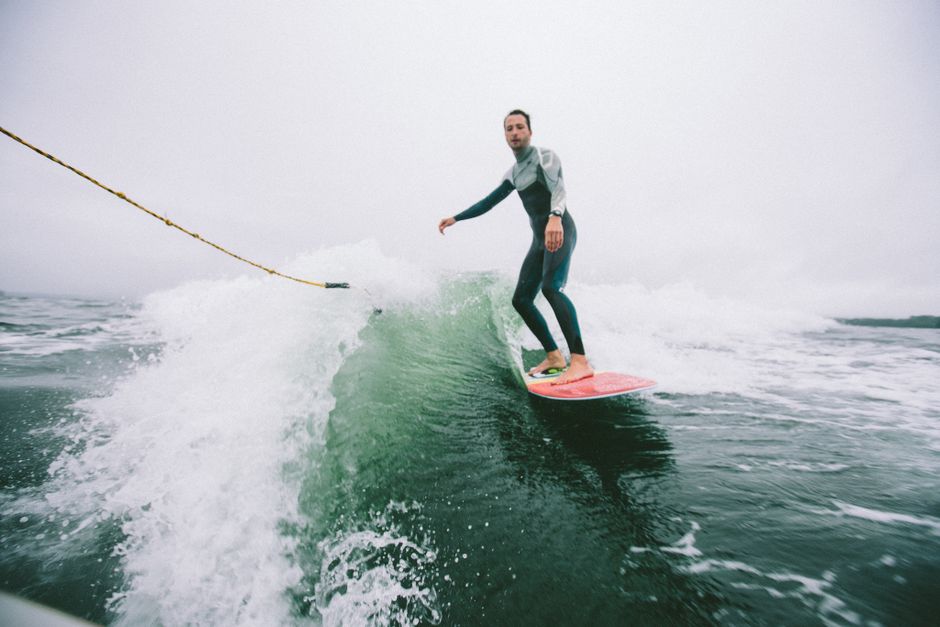
Saturday on the lake. The ballast is filling, the speakers are on, eight friends are aboard and everyone wants a turn on the wave. Wakesurfing is the most social towed sport there is: the rider is close enough to high-five, kids and grandparents can both ride, and the boat moves slowly enough to talk. By 3 p.m., though, half the crew is sunburned, someone has a headache, and the best rider of the morning keeps falling off the back of the wave. A great lake day is sun, water, food, rest between sets, and a crew that knows where to sit and when to turn the engine off. This is our wakesurfing lake day guide, plus what to expect on contest day.
General information, not medical advice. Prices change often; the prices below are what we saw at the maker or a major retailer in October 2026. Back to the wakesurfing hub.
Before you leave the dock
- The right boat. Surf only behind an inboard boat built for it, with the propeller under the hull. Board maker CWB and the boating industry’s Discover Boating both warn against surfing behind outboards and traditional sterndrives. Details on our injuries and safety page.
- Check the weather and the water. Look for thunderstorms in the forecast and posted water advisories; the CDC says to stay out of water that smells bad, looks discolored or has scum.
- Count life jackets: one Coast Guard approved, non-inflatable jacket per rider, sized right. A surf “comp vest” without Coast Guard approval doesn’t count.
- Pick the crew. A sober driver, and a spotter who watches the rider the whole time. Some states require one; California, for example, requires an observer at least 12 years old and bans towing between sunset and sunrise.
- Plan where you’ll surf. Big surf waves hit docks and shorelines. The Water Sports Industry Association’s Wake Responsibly campaign asks crews to stay at least 200 feet from shore, docks and other boats and to avoid repeated passes in the same spot; some lakes require more. See our rules page.
- Eat a real meal 1 to 4 hours before and drink before you go. The American College of Sports Medicine (ACSM) suggests about 5 to 10 mL of fluid per kilogram of body weight 2 to 4 hours before exercise; for a 70 kg rider that’s roughly 350 to 700 mL.
Sun: the lake doubles it
The CDC notes that UV rays reflect off water, reach you through clouds, and are strongest from about 10 a.m. to 4 p.m. during daylight saving time. The American Academy of Dermatology (AAD) recommends a broad-spectrum, water-resistant sunscreen of SPF 30 or higher, about a shot glass full for the body, applied 15 minutes before you go out and reapplied at least every 2 hours and after swimming or sweating. On a surf day that means after every set or two.
- Mineral sunscreen that stays on. Blue Lizard Sport SPF 30+ is zinc-based and listed as water resistant for 80 minutes.
- Cover up between sets: a rash guard, hat, sunglasses and a neck gaiter such as the BUFF EcoStretch (UPF 50).
- Wait in the shade at the front of the boat, not on the sunny back deck. More on why below.
Where the crew sits: away from the exhaust
Surf boats run slowly, around 10 mph, and slow boats let exhaust gather at the stern. In a 2004 NIOSH test for the Coast Guard, carbon monoxide (CO) at the middle of the stern averaged 685 parts per million while a boat with a standard stern exhaust pulled a wakesurfer, more than three times the 200 ppm ceiling NIOSH sets for workers. The Coast Guard says never to sit or hang on the back deck or swim platform while the engine runs, and that early CO symptoms (irritated eyes, headache, nausea, weakness, dizziness) are often mistaken for seasickness or drinking. On a surf day:
- Nobody on the swim platform or the rear sun pad while the engine runs, kids included.
- If you can smell exhaust, move. Board maker CWB notes that changing the boat’s direction relative to the wind can shift where the exhaust collects.
- Headache or dizziness in a rider or passenger: fresh air, rest and medical help unless you’re sure it isn’t CO.
Hydration and food on the boat
Being wet all day hides the sweat. The National Athletic Trainers’ Association (NATA) advises keeping fluid losses under about 2% of body weight, drinking to thirst when you don’t know your sweat rate, and not over-drinking. Give everyone a labeled bottle, like a 32 oz Nalgene, and drink after every set. On long, hot days NATA notes that heavy, salty sweaters may benefit from extra sodium: Nuun Sport tablets (300 mg sodium, 1 g sugar) or Skratch Labs Hydration (400 mg sodium plus carbohydrate) fit in a dry bag; see our best electrolyte powders. Pack sandwiches or wraps, fruit, pretzels, granola bars, trail mix and yogurt in the cooler, and eat something every hour or two. Alcohol is the leading known factor in fatal boating incidents in the Coast Guard’s 2024 report: save it for when the boat is on the trailer, and never for the driver. Everyday eating is on our nutrition page.
Blue Lizard Sport Mineral Sunscreen SPF 30+
- Zinc oxide, broad spectrum
- 80 minutes water resistant
- About $9
Nuun Sport Electrolyte Tablets
- 300 mg sodium per tablet
- 1 g sugar
- Easy to carry on the boat
Nalgene Sustain 32 oz Wide Mouth
- 32 oz, wide mouth
- BPA-free
- About $16
BUFF Original EcoStretch Neck Gaiter
- UPF 50 sun protection
- Neck, ears and face
- About $23
Rotating riders
- Engine off for every swap. Discover Boating says never let a rider gear up on the swim platform, slip into the water or climb back aboard without first shutting off the engine. California’s boating agency notes a propeller may still turn in neutral, and says never back up to someone in the water.
- Short sets, more of them. Shorter sets mean less time in the exhaust zone behind the boat and fresher legs. End the set when your legs fade or you start falling on easy moves.
- Rotate jobs, not just riders. The rider who just finished can spot; whoever is filming is not the spotter. The driver watches ahead.
- After a fall, signal and be seen. Clasp your hands over your head to show you’re OK (a BoatUS Foundation signal) and stay with your board. The driver circles back slowly, keeping you on the driver’s side.
- Kids go first and shortest, before the water gets choppy and before they’re tired. See youth wakesurfing.
Heat, cold and lightning
- Heat illness. Heavy sweating, weakness, dizziness, headache and nausea are warning signs of heat exhaustion: shade, cool water on the skin, fluids, rest. (On a boat, think of CO too.) Confusion, collapse or a very hot body is an emergency: call 911 and cool the person right away; NATA says cold-water immersion is the most effective cooling.
- Cold water. The National Weather Service treats water at 70°F or colder as cold water, warns you can lose muscle control within about 10 minutes, and says to dress for the water temperature, not the air. Spring and fall surf days are wetsuit days.
- Lightning. “When Thunder Roars, Go Indoors”: NATA says no place outdoors is safe. Head in at the first thunder and wait 30 minutes after the last.
Contest day
The big wakesurf series, including the Centurion World Series of Wake Surfing and the Nautique Wakesurf Series, run under the World Wake Association (WWA) rule book. Here’s what a contest day looks like under those rules:
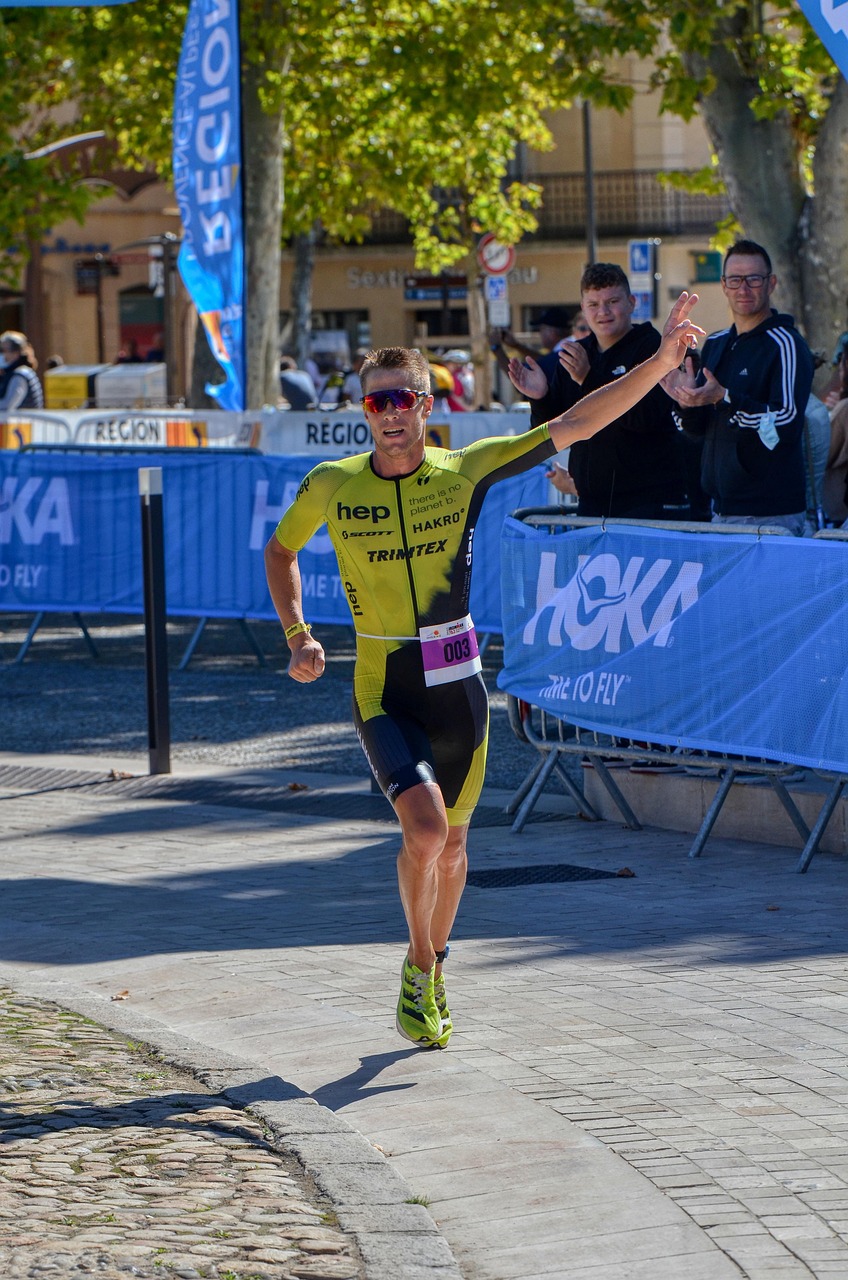
- Sign in early. Riders must sign in 90 minutes or more before their division’s posted start time, and divisions can start early.
- Two passes, about a minute each. In the WWA standard format the course is roughly 750 to 900 feet, about 45 to 60 seconds a pass; in the World Series format each pass runs 45 to 55 seconds. You choose your tricks and their order.
- Falls. In the standard format a third fall ends the run. In the World Series format you get up to two falls per pass, and after a fall you may only swim to your board, not back up the course.
- Tell the driver your settings. It’s the rider’s job to confirm speed and which side of the wave they’ll surf before leaving the dock; there are no re-rides for miscommunication. In the World Series, riders pick their side at registration, the boat runs announced baseline settings, and riders may adjust only the speed and the wave tab. Each event also sets a minimum speed.
- How it’s judged. Three or more judges use the DRIVE criteria (difficulty, risk, intensity, variety, execution) plus flow. Only landed tricks count, there are no set points per trick, and judges want airs, turns, carves and technical tricks, frontside and backside, regular and switch.
- Safety and fair play. Every rider wears a Coast Guard approved life jacket (or one that will float an unconscious rider). Touching the boat or riding unnecessarily close to the swim platform can mean disqualification, and from 2026 sticky “punt wax” or adhesives on the deck are banned.
Contest days are mostly waiting: eat 1 to 4 hours before your heat, then small snacks; keep shade, fluids and sunscreen going; warm up for 10 to 15 minutes before your run (leg swings, squats, hip circles, trunk rotations); plan your run so you use the whole course, since “dead water” costs you; and keep a dry layer for cool mornings. The leagues and associations page lists the series and championships.
After the last set, the recovery page picks up. Wakeboarders have their own day guide: wakeboarding lake day. For the team-sport version of match day, see soccer game day.
Wakesurfing lake day: FAQs
What should I bring on a wakesurf boat day?
A Coast Guard approved life jacket for every rider, a short wakesurf rope, water-resistant SPF 30+ sunscreen, a hat and rash guard, a water bottle per person, electrolytes for hot days, a cooler with real food, a dry layer and a first aid kit.
Where should passengers sit while someone is wakesurfing?
Toward the front and middle of the boat, not on the swim platform or rear deck. Exhaust collects at the stern of a slow-moving boat, and NIOSH measured very high carbon monoxide levels there during wakesurfing.
How long should a wakesurf set be?
There’s no official number. Shorter sets keep legs fresh and limit time near the exhaust. End the set when you get tired, start falling on easy moves, or feel a headache or dizziness.
How are wakesurf contests judged?
Under the WWA rule book, three or more judges score a two-pass run on difficulty, risk, intensity, variety and execution (DRIVE), plus flow. Only landed tricks count, there are no set points per trick, and surf style and skim style are judged in separate divisions.
Should we keep surfing if we hear thunder?
No. Get off the water and indoors at the first thunder and wait 30 minutes after the last, as NATA advises. A boat on open water is no shelter.