This article contains affiliate links: if you buy through them we may earn a commission, at no extra cost to you. Learn more.
Every lifter’s gym bag tells a story. Year one: a water bottle, flat shoes and a block of chalk wrapped in a sock. Year two: a pair of raised-heel lifting shoes, a roll of thumb tape and wrist wraps tangled at the bottom. Year three, maybe: knee sleeves, a belt that’s starting to soften, and a garage with a platform, a bar that spins and a stack of bumper plates. None of it is required to start, but the right weightlifting gear helps you sit deep in the catch, hold the hook grip and keep a home gym safe when you drop the bar. Here’s what each piece does, who needs it and when, plus the recovery gear many lifters use between sessions.
Buying guide · Our Weightlifting buying guide compares the gear we'd pick, with prices and sizing:
Prices change often. The prices below are what we saw at the maker or a major retailer in October 2026; check the current price before you buy.
Our top picks
Reebok Legacy Lifter III
- Raised heel (about 22 mm stated)
- Midfoot strap
- About $220
SBD 5mm Weightlifting Knee Sleeves
- 5 mm neoprene
- IWF compliant (maker)
- About $115
Dark Iron Fitness Leather Lifting Belt
- 4 in wide, genuine leather
- Double-prong buckle
- Sizes XS–XL (22–49 in)
CAP Pro Series 7 ft Olympic Barbell
- 1,200 lb rated capacity
- Bronze bushing sleeves
- About $149
CAP Olympic Bumper Plate Set
- 2 in hole, steel hub
- Low-bounce rubber
- Sets from 100 to 370 lb
REP Fitness PR-1100 Power Rack
- Rated 700 lb
- Full-length safety bars
- About $380
Lifting shoes
Weightlifting shoes have a firm, raised heel and a hard, flat sole. The heel lets you sit more upright in a deep squat, which helps in the catch of the snatch and the clean and in front squats; the hard sole doesn’t squash under a heavy bar, and the strap locks your foot in when you jump your feet out into the catch or split for a jerk. The IWF only requires “sport footwear”, so any of these are legal. Three long-running choices: the Reebok Legacy Lifter III (about $220), with a stated 22 mm effective heel (one independent test measured 20.5 mm) and a midfoot strap; the adidas Adipower Weightlifting 3 (list price $230 at adidas, often on sale), with a 22 mm heel lift; and the Nike Romaleos 4 ($200 at Nike), with a rigid heel lift and wide straps. Nike says the Romaleos fit small and suggests half a size up. Wait to buy until your coach says your squat and technique are ready.
Check the Reebok Legacy Lifter III price on Amazon
Lifting belts
A belt gives your core something to push against when you brace for a heavy clean, jerk or squat. Many weightlifters wear one only for their heaviest cleans, jerks and squats and go without for snatches, and many prefer a belt that doesn’t dig into the ribs or hips at the bottom of a deep clean. The IWF rule is simple: optional, worn outside the singlet, no wider than 12 cm. The Dark Iron Fitness leather belt (about $50–60 on Amazon) is a 4-inch (about 10 cm) genuine leather belt with a double-prong buckle and 12 holes, sizes XS to XL (22–49 inches at the belly button), so it fits inside that limit; it’s quick to loosen between a clean and the next set. Many coaches suggest learning to brace without a belt first. A belt isn’t a treatment for back pain; if your back hurts, get it checked.
Check the Dark Iron Fitness belt price on Amazon
Knee sleeves
Neoprene sleeves keep the knees warm and give a snug, supported feeling in the bottom of a clean or squat. Weightlifters usually prefer thinner 5 mm sleeves that bend easily when you drop under the bar; thicker 7 mm sleeves feel firmer on heavy squat days. The IWF allows one-piece elastic or neoprene sleeves with no buckles, straps or plastic reinforcement. The SBD 5 mm weightlifting sleeves (about $115) are made for the Olympic lifts and sold as IWF compliant. For squat days, the Rehband RX 7 mm (about $90 a pair) has a four-panel anatomical cut and a non-slip finish, and the Nordic Lifting 7 mm is a budget pair. One small study (Machek and colleagues, 2021) found lifters squatted a bit more in neoprene sleeves than in a control sleeve, but sleeves are about comfort; they don’t fix knee pain. Our best knee sleeves guide compares six pairs.
Check the SBD 5mm Weightlifting Knee Sleeves price on Amazon
Wrist wraps
Wraps support the wrist when a heavy bar bends it back: the jerk, the catch of a snatch and the front rack of a clean or front squat. Shorter, more flexible wraps keep the wrist free for the snatch; longer, stiffer ones suit heavy jerks. The IWF puts no limit on the length of wrist and hand bandages, but they can never be attached to the bar, and nothing may be worn within 5 cm above or below the elbow. The Gymreapers 18-inch wraps (about $20) are 18 by 3 inches with a reinforced thumb loop. More options in our best wrist wraps guide.
Check the Gymreapers Wrist Wraps price on Amazon
Thumb tape for the hook grip
Most weightlifters pull with a hook grip, wrapping the fingers over the thumb to pin it to the bar. It’s secure, and it’s hard on the thumbs, so many lifters tape them with athletic or elastic tape. IWF rules allow tape on the fingers and thumbs as long as it doesn’t stick out past the fingertips and isn’t attached to the bar, and plasters on small cuts are fine too. If the hook grip gives you sharp or lasting thumb pain, back off the load and get it checked; hands and fingers are one of the common injury sites in weightlifting.
Chalk
Chalk (magnesium carbonate) keeps your hands dry so the bar doesn’t slip on a heavy snatch or clean, and the IWF allows it on the hands; oil, talc, cream or water on the thighs is not allowed. Cannon Sports gym chalk comes as eight wrapped 2 oz blocks for about $18. Some gyms ban loose chalk or ask you to use a bowl; check before you bring it.
A home gym: barbell, plates and rack
Barbell. An Olympic bar is 7 feet long with 2-inch sleeves; competition bars weigh 20 kg for men and 15 kg for women, and competition collars weigh 2.5 kg each. Sleeves that spin smoothly matter for the Olympic lifts, because the bar turns in your hands as you pull under it. The CAP Pro Series 7 ft Olympic barbell (about $149) has a 1,200 lb rated capacity, bronze bushing sleeves, volcano knurling and a phosphate finish.
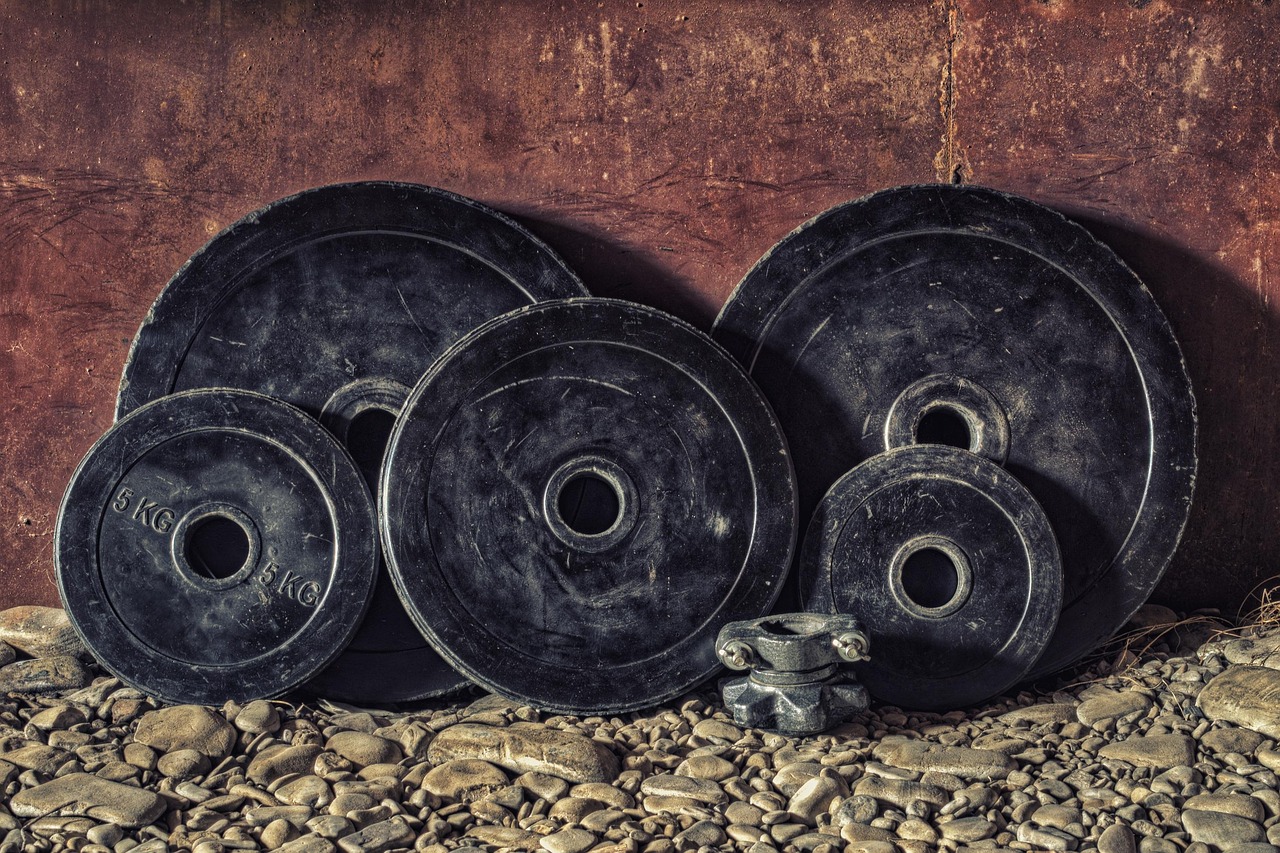
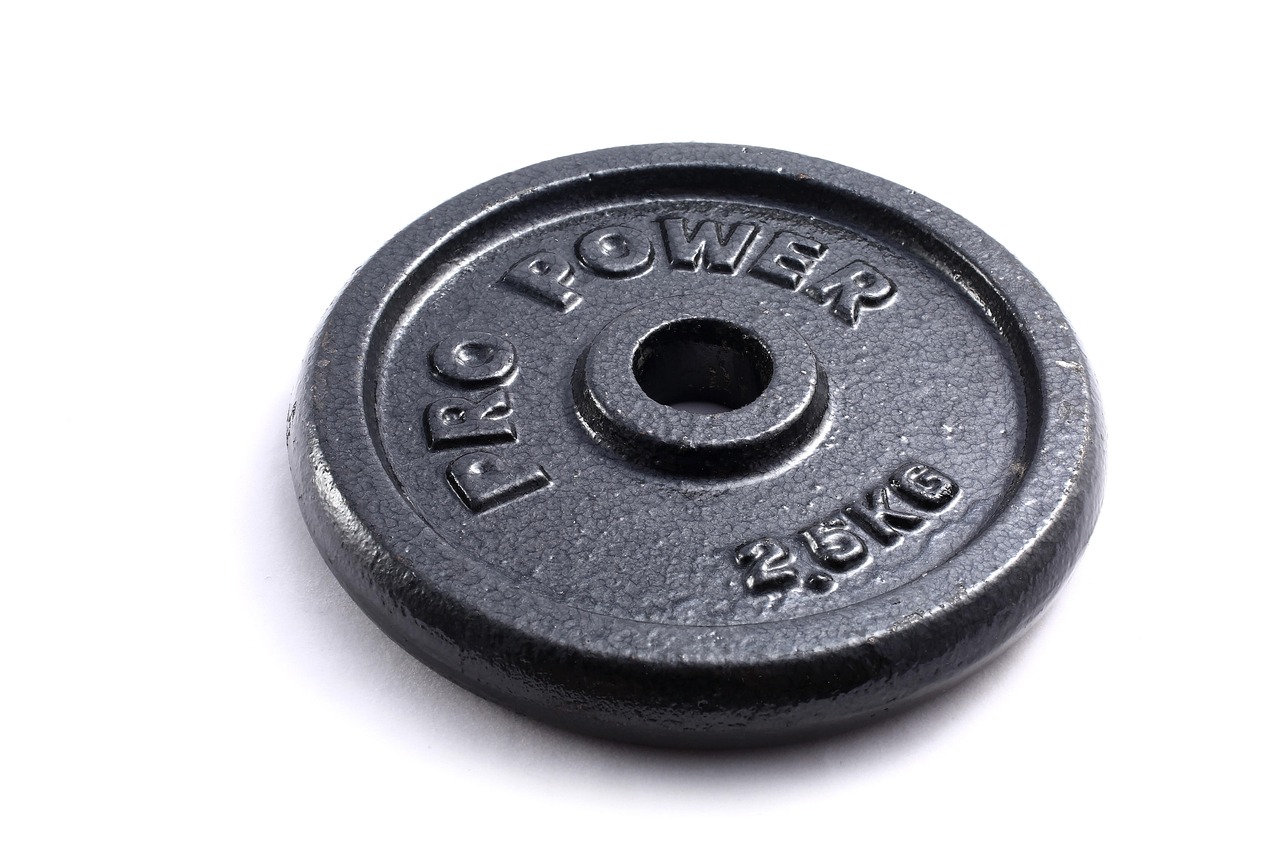
Plates. For the Olympic lifts you need rubber bumper plates, because missed snatches and jerks get dropped from overhead, and ideally a platform or thick rubber flooring. Competition plates follow the IWF colors (red 25 kg, blue 20, yellow 15, green 10, white 5), and many home sets copy them. The CAP Olympic bumper plate sets come in sets from 100 to 370 lb with a 2-inch chromed steel hub and low-bounce rubber; the 160 lb set (pairs of 10, 25 and 45 lb) was about $232 when we checked. Iron plates are fine for squats and presses in a rack but shouldn’t be dropped.
Rack. Weightlifters squat a lot, front and back, and a power rack lets you do it alone with safety bars to catch a missed rep. Keep your platform outside the rack, with a clear meter or so of space around it, so a dropped bar has somewhere to go (the IWF requires a clear meter around competition platforms). The REP Fitness PR-1100 (about $380) is rated to 700 lb, made of 14-gauge steel, 84 inches tall, and comes with a pull-up bar, two J-cups and two full-length safety bars; REP says it’s stable freestanding and doesn’t need to be anchored.
Check the REP PR-1100 price on Amazon
Home gym safety notes
The American Academy of Pediatrics points out that most resistance-training injuries seen in US emergency rooms happen on home gym equipment with unsafe behavior and no supervision. A few habits prevent most of them:
- Set the safeties just below the bottom of every squat, and learn to dump a missed snatch or jerk away from you on the platform.
- Collars on every set, so plates can’t slide off one side.
- Stay within ratings. Know your rack’s, bar’s and bench’s rated capacity, and follow the maker’s assembly and anchoring instructions.
- Drop only bumpers, only on a platform, with nobody near the bar, and with ceiling height to spare for a jerk.
- Kids: store plates flat or on a rack, keep children away while you lift, and don’t let them use the setup unsupervised. See our youth page.
Recovery gear
After a heavy squat day, many lifters use a few simple tools. A foam roller like the TriggerPoint GRID 1.0 (about $40, 13 inches, multi-density) for upper back, hips and quads; a small massage gun such as the Hypervolt Go 3 (about $149, 1.6 lb); and soft slides like the OOFOS OOahh (about $60) for the walk home. One note for lifters: a 2015 study found regular cold-water immersion after strength training blunted long-term strength and muscle gains, so many coaches keep ice baths away from lifting days. These are comfort tools, not treatment; pain that doesn’t settle needs a professional. Our foam roller, massage gun and recovery shoe guides compare more, and the lifting recovery page puts it together.
Check the TriggerPoint GRID price on Amazon
How to choose lifting gear
- Know the IWF rules. Belt no wider than 12 cm, sleeves without straps or buckles, nothing attached to the bar, no tape near the elbow. See our rules page.
- Buy for the Olympic lifts. A raised-heel shoe first, then 5 mm sleeves, shorter wraps and a belt that doesn’t get in the way of a deep catch. Squatting, benching and deadlifting in a meet? Powerlifting gear is different; see our powerlifting gear guide.
- Size by measurement. Belts by waist at the belly button, sleeves by the maker’s knee or calf measurement.
- Buy safety before style. In a home gym, a rack with safeties and a set of collars come before fancy plates.
- Gear supports good technique; it doesn’t replace it. Ask your coach before adding a belt or wraps to every set.
Back to the Olympic weightlifting hub, or see the training, injuries and best wearables pages. CrossFitters can compare our CrossFit gear guide.
Weightlifting gear questions
Do I need weightlifting shoes?
Not to start. Flat, stable shoes are fine while you learn with a dowel or light bar. Once you’re doing the snatch and clean regularly, most lifters find a raised-heel shoe like the Reebok Legacy Lifter III, adidas Adipower 3 or Nike Romaleos 4 helps them sit upright in the bottom of the catch.
Do weightlifters wear belts?
Many do, mostly for heavy cleans, jerks and squats, and many snatch without one. A belt is optional under IWF rules, must be worn outside the singlet and can be up to 12 cm wide. Learn to brace without one first, and pick a belt that doesn’t dig in at the bottom of a deep clean.
5 mm or 7 mm knee sleeves?
For the snatch and clean, most weightlifters prefer 5 mm, which bends more easily when you drop under the bar. Some keep a 7 mm pair for heavy squat days because it feels firmer. Both are legal under IWF rules if they’re one piece with no straps or buckles.
What do I need for a home lifting gym?
A lifting platform or thick rubber flooring, a bar with sleeves that spin, bumper plates, collars, and a rack with safety bars for squats. Leave clear space around the platform and enough ceiling height for a jerk. Put the platform, bumpers and collars at the top of the list.
Are knee sleeves or belts good for injuries?
They’re for warmth, comfort and bracing during lifting, not for treating an injury. If a knee or your back hurts, swells or gives way, see a sports medicine doctor, physical therapist or athletic trainer before training through it.