This article contains affiliate links: if you buy through them we may earn a commission, at no extra cost to you. Learn more.
League night, 6:45: the roller bag clicks open, two balls come out, the shoes go on, a towel gets tucked into the ball return, and a wrist support gets strapped down tight. Every bowler’s kit tells a story, from the beginner’s single tote to the tournament bowler’s three-ball roller. This is our bowling gear and bowling equipment guide: balls and why a pro shop fitting matters, shoes, wrist supports, bags, towels and grips, and the recovery kit for after a long block of games.
Buying guide · Our Bowling buying guide compares the gear we'd pick, with prices and sizing:
Prices change often. The prices below are what we saw at the maker or a major retailer in October 2026; check the current price before you buy.
The quick checklist: one ball drilled for your hand (later, a second for spares), your own bowling shoes, a towel or shammy, a bag, and thumb tape if your thumb rubs. Add a wrist support if you and your coach decide it helps. Water, and shoe covers to keep your soles dry.
Our top picks
Brunswick T Zone
- Polyester coverstock
- 6 to 16 lb
- Straight shots and spares
Pyramid Path Polyester Ball
- Polyester coverstock
- 8 to 16 lb
- Basic drilling options
Hammer Black Widow 3.0
- Gas Mask core
- Solid HK22 coverstock
- 2-year limited warranty
Pyramid Men's Path Lite Shoes
- Knit upper
- Universal slide soles
- Right or left handed
Robby's Leather Original
- Leather
- Metal inserts top and bottom
- Consistent release
Pyramid Path Pro Deluxe Tote
- 1 ball + shoes to men's 15
- Padded strap
- 14 x 11 x 13 in
Pyramid Deluxe Double Roller
- 2 balls + 2 pairs of shoes
- 40-inch handle
- 3¾-inch wheels
Hammer Magnetic Shammy Pad
- Oil-absorbing leather pads
- Magnet holds it in place
- 1-year warranty
Bowling balls: what the cover does
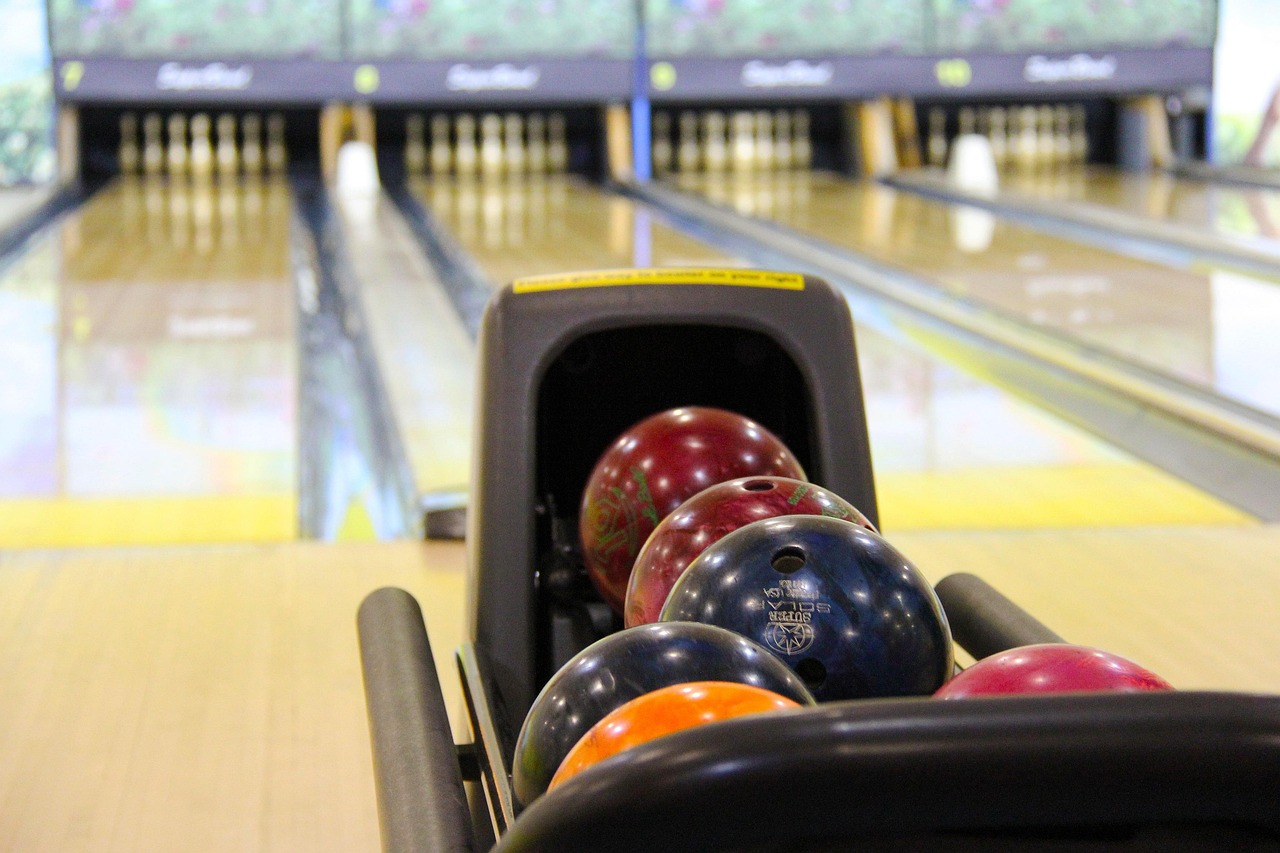
Every ball in USBC competition must be on USBC’s approved list, weigh no more than 16 pounds (no minimum), and measure about 8½ inches across. What changes from ball to ball is the cover (coverstock) and the core inside, which together decide how much the ball grips the lane and hooks.
- Polyester (plastic): slides through the oil and rolls straight. Ideal for kids and beginners, and the classic spare ball for everyone, because straight is what you want at a single pin. House balls are polyester or basic urethane by USBC’s definition. The Brunswick T Zone (6 to 16 pounds, about $65) and Pyramid Path (8 to 16 pounds, about $70) are popular picks.
- Urethane: more grip than plastic, with a smoother, more controllable curve than reactive resin.
- Reactive resin: the most grip and the biggest hook, with a shaped core. The Hammer Black Widow 3.0 pairs Hammer’s Gas Mask core with a solid HK22 coverstock and carries a 2-year limited warranty (about $143). A reactive ball rewards a consistent release; it can make a beginner’s misses bigger.
Weight: retailers suggest starting around 10% of your body weight, up to 16 pounds, and adjusting by feel. If the ball pulls your arm through the swing or your fingers and wrist ache afterward, go lighter. Our youth bowling guide covers kids’ weights.
Check the Brunswick T Zone price on Amazon
Fitting and drilling: go to a pro shop
Balls bought online usually arrive undrilled unless you pay for a basic drilling option. That’s normal: the holes should be drilled for your hand, not the average hand. A pro shop operator measures your span (the distance from thumb to fingers), the size and angle of each finger and the thumb, and how you release the ball, then drills holes and lays them out relative to the core to match your style. The International Bowling Pro Shop & Instructors Association (IBPSIA) offers certification programs for pro shop operators, and many centers have a pro shop on site.
- The USBC limits: no more than five gripping holes, one per finger and thumb, each no wider than 1-9/16 inches and no deeper than 4½ inches; every hole must be used on every delivery; no balance holes; small vent holes are allowed.
- Grips and inserts: finger and thumb inserts must sit flush with the surface. Tape inside a gripping hole is allowed and is how bowlers fine-tune the thumb fit through a night as hands swell and shrink.
- Two-handed and no-thumb bowlers: the ball can’t have a thumbhole at all; it gets a “+” on the palm area instead.
- Why it matters for health: holes that are too tight rub; holes that are too loose make you squeeze. Finger and thumb injuries are among the most common in bowling, and in case reports of “bowler’s thumb,” an irritated nerve on the inner side of the thumb, doctors discuss changing hole size, span and thumb fit as part of managing it. Numbness or tingling in the thumb is a reason to see a doctor, not just a bigger thumbhole.
For skin protection, many bowlers put tape on the back of the thumb. Vise Hada Patch pre-cut tape (40 pieces, about $17) is a long-time favorite.
Bowling shoes
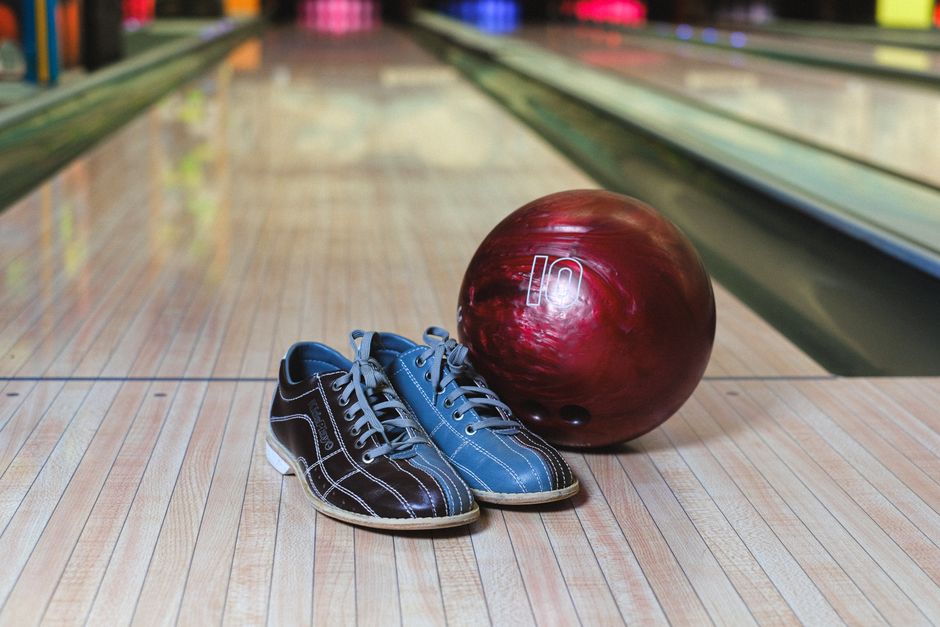
Bowling shoes have a smooth sliding sole on the slide foot and more grip on the other foot to push off and brake. “Universal” shoes have a slide sole on both feet, so they work for right- and left-handed bowlers; performance shoes have interchangeable soles and heels for different approaches. The Pyramid Path Lite (men’s) and women’s Path Lite are lightweight knit shoes with universal slide soles, about $60. Fit matters most; the American Academy of Orthopaedic Surgeons’ (AAOS) athletic shoe tips work well: shop later in the day, wear the socks you bowl in, leave about half an inch in front of your longest toe, and make sure the heel doesn’t slip.
Keep them dry and clean. USBC Rule 12 bans substances on your soles that rub off on the approach, and its etiquette list calls wet shoes a safety hazard. Falls are a leading cause of bowling injuries, especially for seniors. Slip-on shoe covers (about $12 for a pair) protect the soles from water, gum and food when you walk away from the lanes.
Check the Pyramid Path Lite price on Amazon
Wrist supports and positioners
Many league bowlers wear a wrist support to hold the wrist in a set position at release. Makers sell them for consistency and ball roll; they are performance aids, not medical braces, and we found no research showing they prevent bowling injuries. If your wrist hurts, see a sports medicine doctor or physical therapist before strapping on more support.
- Robby’s Leather Original: leather with metal inserts on the top and bottom to keep the wrist firm through release. About $25.
- KR Strikeforce Kool Fit Plus: a breathable fabric positioner with extra length; right or left hand, several sizes. About $29.
- Brunswick Pro Wrist Support: a simple latex-foam support with two hook-and-loop straps, easy on and off. About $18.
- KR Strikeforce Pro Rev 2: a metal (duraluminum) device the maker says adds forward roll for medium lane conditions. About $67. Try devices like this with a coach.
Check the Robby's Leather Original price on Amazon
Bags: single tote or roller
A 15-pound ball on one shoulder across a parking lot every week adds up. One ball? A tote is fine: the Pyramid Path Pro Deluxe holds one ball and shoes up to men’s size 15, with a padded strap, for about $35. Two or more balls, or any back or shoulder trouble? Roll it. The Pyramid Deluxe Double Roller holds two balls in molded cups, a separate compartment for up to two pairs of shoes, a 40-inch extending handle and wide 3¾-inch wheels, for about $88.
Check the Pyramid Deluxe Double Roller price on Amazon
Towels, grips and cleaners (and the rules)
The ball picks up oil every shot. USBC Rule 18 lets you wipe it with a dry towel during competition, but bans cleaners, abrasives, rosin and powder on the ball once play starts. Rosin or a grip product on your hand is fine.
- Shammy: the Hammer Magnetic Shammy has oil-absorbing leather pads on both sides and a magnet that holds it to the ball return (about $25). For a cheaper option, TonGass microfiber towels come in a 3-pack of 10 x 8 inch pads with a gripping dotted side (about $10).
- Dry hands: a microfiber grip ball (about $10) absorbs sweat from your hand between shots.
- Cleaner: use a USBC-approved cleaner before and after league, not during. The maker of Lane Ghost says it’s USBC approved and safe on all coverstocks (about $14).
More on what’s legal is on our bowling rules page.
Recovery gear for after the last frame
Bowlers feel a tournament weekend in the forearm and hand, the lower back and hips, and the legs from the slide. In a survey of top U.S. college bowlers (2023), upper-body injuries were most common and injuries were more frequent among bowlers without a conditioning program. Recovery tools don’t replace strength work or a ball that fits, but many bowlers like them: a TriggerPoint GRID 1.0 foam roller (about $40) for the hips and upper back, a compact Theragun Mini (about $220, three speeds, travel case) for the forearm and calves, and OOFOS OOahh recovery slides (about $60, with the APMA Seal of Acceptance) after hours on your feet. Bring water too, like a 32-ounce Nalgene (about $16). These are comfort tools, not treatment; thumb numbness, wrist pain that keeps coming back or back pain that runs down a leg needs a professional. Compare more in our best massage guns, best foam rollers and best recovery shoes guides, and see the bowling recovery page.
TriggerPoint GRID 1.0 Foam Roller
- 13-inch roller
- Multi-density surface
- Hollow core
Theragun Mini (3rd Gen)
- Compact massage gun
- 3 speeds, 3 attachments
- Travel case
OOFOS OOahh Slide
- OOfoam slide
- APMA Seal of Acceptance
- Machine washable
Back to the bowling hub, or see bowling injuries, leagues and associations and youth bowling. Also play golf? Our golf gear list covers the other bag in your trunk.
Bowling gear questions
What bowling equipment does a beginner need?
Nothing at first: centers rent shoes and have house balls. Once you join a league, the first buys are your own shoes and a polyester ball drilled to fit at a pro shop, plus a towel and a simple bag.
Can I drill a bowling ball myself?
It isn’t recommended. Drilling sets your span, hole sizes and angles and the layout relative to the core, and USBC has strict limits on holes and balance. A pro shop does it right and can adjust the fit as your game changes.
Do wrist supports prevent bowling injuries?
We found no good evidence that they do. They’re made to keep the wrist in a consistent position for a repeatable release. A ball of the right weight with a proper fit, plus forearm and grip strength, does more for your wrist. If it hurts, get it checked.
Why do bowlers have two balls?
One hook ball for strikes and a polyester ball for spares. A plastic ball goes straight, so it’s easier to pick up single pins, especially corner pins like the 10.
Can I clean my bowling ball between games?
Only with a dry towel once league or tournament play has started. Clean every ball with an approved cleaner before the first game, or ask an officer for permission if residue won’t come off.