This article contains affiliate links: if you buy through them we may earn a commission, at no extra cost to you. Learn more.
The back of the car on a windy morning: two kites in their bags, a board with the pads still sandy from last week, a harness, a wetsuit draped over the seat, a pump rolling around the trunk, a helmet clipped to a backpack. Kitesurfing gear takes a bit of learning, but the logic is simple: a kite and bar for power, a board to ride, a harness to carry the load, and protection for your head, body and skin. Here’s a plain guide to each piece, from your first trainer kite to a foil board, plus the recovery kit for after. Windsurfers have their own list at windsurfing gear.

Buying guide · Our Kitesurfing buying guide compares the gear we'd pick, with prices and sizing:
Prices change often. The prices below are what we saw at the maker or a major retailer in October 2026; check the current price before you buy.
Our top picks
Slingshot B3 Trainer Kite (3 m)
- 3 m two-line foil kite
- Learn before lessons
- Builds wind sense
Slingshot Crisis V4 Twin Tip (137)
- Forgiving wood-core flex
- Single-concave hull
- 4 fins and grab handle
Mystic Warrior Waist Harness
- Softshell, 3D molded
- Anatomical backplate
- Non-slip inner foam
Dakine Wahine Waist Harness
- Women-specific slim fit
- Curv composite shell
- Push-button spreader bar
Ride Engine Defender HF Impact Vest
- Built for kite and foil riding
- Impact shells in high-risk areas
- Not a life jacket
O'Neill Reactor-2 3/2 mm Back Zip Wetsuit
- 3/2 mm full suit
- Back zip
- Stretch neoprene
PKS Pro Flow V3 Kite Pump (20 in)
- Up to 2.3 L per stroke
- Pressure gauge in handle
- 20 in tall
Theragun Mini (3rd gen)
- Pocket-size massage gun
- 3 speeds
- 3 attachments
Kites (and a trainer kite to start)
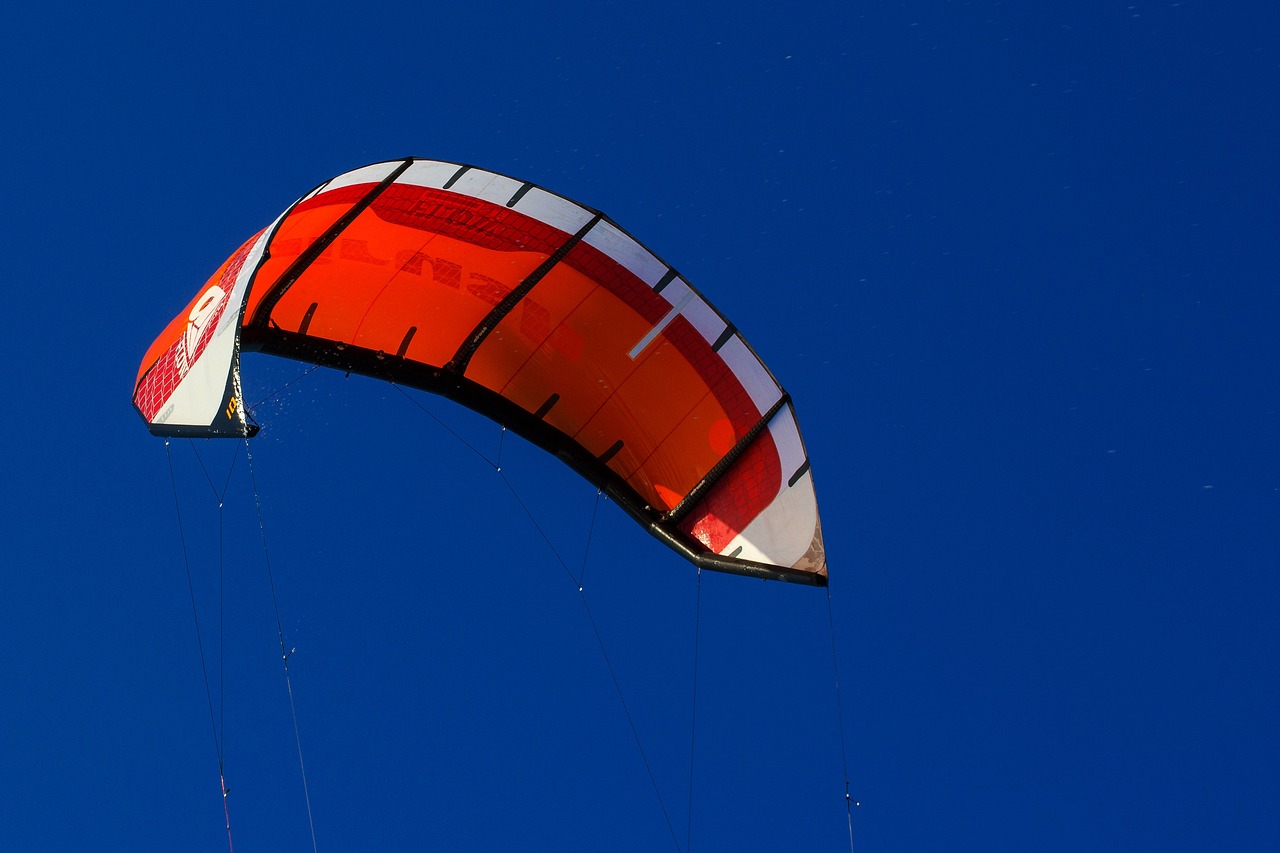
Most riders use inflatable kites, with air-filled tubes that keep their shape and float so the kite can be relaunched from the water. Your first real kite should come after lessons, chosen with your instructor or a local shop. Kite size depends on your weight, your level and the usual wind where you ride, and many riders end up with two or three sizes to cover light and strong days. Buying used is common; have someone experienced check the bladders, canopy, lines and especially the bar’s quick-release. Since 2020, the international standard ISO 21853 sets how quick-releases must work (a release force of 170 newtons or less and opening within 2 seconds), so ask whether a bar meets it.
Before all that, a trainer kite is the cheapest way to learn the wind window. The Slingshot B3 (about $269) is a 3-meter two-line foil kite that the maker pitches for developing kite skills “before paying for a lesson”; its 2-meter sibling in the Slingshot Trainer Kite line (about $139) is the size Slingshot suggests for children.
Check the Slingshot B3 trainer kite price on Amazon
Boards: twin-tips, surfboards and foils
- Twin-tip: the board almost everyone learns on, symmetrical so you can ride both ways. Bigger boards float more and are easier in light wind. The Slingshot Crisis V4 (about $399, 137 cm) has a thinner wood core that the maker says gives more flex and forgiveness for riders of all abilities, with four fins and a grab handle in the box. For a lighter, freeride feel, the Slingshot Dream Rider V1 (about $299, 140 cm) has a foam core for extra float and a deep concave hull for chop. Pads and straps are usually sold separately.
- Kite surfboard: for riding waves, usually with foot pads or straps; a next step once you’re riding upwind well.
- Foil board: a short board on a hydrofoil. It rides in less wind and is how Olympic Formula Kite riders race, but it’s a big step: learn it with lessons and protection, because the foil is hard and sharp.
Check the Slingshot Crisis V4 price on Amazon
Harnesses
The harness carries the kite’s pull on your body instead of your arms. Waist harnesses sit around your lower back and give the most freedom; seat harnesses add leg straps that keep the hook from riding up, which some beginners like. Fit matters more than brand: try it on over a wetsuit, with no pressure points on the ribs. Make sure it has a pocket for a hook knife.
- Mystic Warrior (about $240): a softshell waist harness with a 3D molded shell, anatomical backplate, neoprene edges and non-slip foam inside.
- Dakine Wahine (about $130): a women-specific slim-fit waist harness with a Curv composite shell, memory foam and a push-button spreader bar.
- Epic Gear Viper (about $157): a thermoformed waist harness with a quick-release spreader bar, a removable rear handle and a safety knife pocket.
Check the Mystic Warrior harness price on Amazon
Impact vests and helmets
Research makes a quiet case for protection. In a 2004 study of kitesurfers, head injuries were 14% of the total and chest injuries 13%; in a Norwegian study, half the head, face and neck injuries were concussions; and in a North Sea hospital study fewer than 30% of injured riders used any protective gear. A helmet and an impact vest are standard for learners, foilers and anyone jumping.
- Impact vests pad the ribs and back, but they’re not life jackets. The Ride Engine Defender HF (about $164) is designed for kite and foil riding, with impact shells in high-risk areas and a YKK front zip; the maker states it isn’t a Coast Guard life vest. The Dakine Surface Vest (about $170) uses 1 1/4-inch closed-cell foam, a front zip and a cut that works with both seat and waist harnesses.
- Helmets: pick one made for water. The Pro-Tec Ace Water (about $66) meets the CE EN 1385 water-sports standard, drains through 15 vents and comes in five sizes from 52 to 62 cm. The Oakley WTR Icon (about $175) is a lightweight surf helmet with an open-vent design, a 360-degree fit system and removable ear protection.
Check the Ride Engine Defender impact vest price on Amazon
Check the Pro-Tec Ace Water helmet price on Amazon
Wetsuits and booties
Wind makes you colder than surfing in the same water, so err on the warm side. The National Weather Service’s rule is to dress for the water temperature, not the air. Wetsuit thickness is written as two numbers in millimeters (“4/3” means 4 mm on the body, 3 mm on the limbs). O’Neill’s guide suggests:
| Water temperature | What to wear (O’Neill guide) |
|---|---|
| 79°F and up (26°C+) | UV shirt or rash guard |
| 70 to 77°F (21–25°C) | 2 mm suit or shorty |
| 64 to 68°F (18–20°C) | 3/2 mm or 4/3 mm full suit |
| 54 to 63°F (12–17°C) | 4/3 mm or 5/4 mm full suit |
| 46 to 52°F (8–11°C) | 5/4 mm or 6/5 mm, with hood, gloves and boots |
The O’Neill Reactor-2 3/2 mm Back Zip (about $155) is a value-focused first full suit for spring and fall water. Kite beaches often have shells, rocks or reef, so many riders wear booties: the O’Neill Reactor 2 mm reef boot (about $55) has a thick rubber sole and a round toe. For warm water, a UPF 50+ rash guard and a water-resistant SPF 30+ sunscreen, reapplied every two hours as the American Academy of Dermatology advises, do the job.
Check the O'Neill Reactor-2 wetsuit price on Amazon
Pumps and setup
An inflatable kite needs a pump, and a good one saves your arms before the session even starts. The PKS Pro Flow V3 (about $65) is 20 inches tall, moves up to 2.3 liters per stroke and has a pressure gauge in the handle, so you can pump to the pressure your kite’s maker recommends. Set up upwind of your lines, lay the lines out on clean sand, and check the bar’s quick-release and the line connections before every launch; your instructor or a competent kiter should do a final check with you while you’re learning.
Check the PKS Pro Flow V3 pump price on Amazon
Safety extras
A hook knife with pocket (about $14 to $16) for your harness, a whistle, a phone in a waterproof case left with a friend on the beach, and a riding buddy. Rinse your bar’s quick-release with fresh water and test it before you launch. Our rules of the road and safety page explains how the release works.
Recovery gear for kiters
Hanging in a harness for hours loads the lower back and legs, and every landing goes through your knees and ankles. Many riders roll out with a foam roller such as the TriggerPoint GRID 1.0 (about $40) or use a small massage gun like the Theragun Mini (about $220, three speeds, three attachments), then slip into soft OOFOS OOahh recovery slides (about $60) after a day barefoot on the sand. These are comfort tools, not treatment; pain that lasts more than a few days is a reason to see a sports medicine doctor, physical therapist or athletic trainer. Compare more in our best massage guns, best foam rollers and best recovery shoes guides, and see the kitesurfing recovery page for a routine.
Check the Theragun Mini price on Amazon
The kite bag checklist
- Kite(s), bar and lines with a tested quick-release, pump
- Board with pads and straps (twin-tip, kite surfboard or foil board)
- Harness with a hook knife in the pocket
- Helmet and impact vest (or flotation for beginners and cold water)
- Wetsuit for the water temperature, booties, rash guard, sunscreen, sunglasses for the beach
- Water, an electrolyte drink and a snack; see our session day page
Back to the kitesurfing hub, or see kitesurfing for kids, kitesurfing injuries, the best wearables for riders, and surfing gear for wave boards and wetsuits.
Kitesurfing gear questions
What kitesurfing gear should a beginner buy first?
A helmet, an impact vest and a wetsuit for your water, plus a trainer kite to practice on the beach. Leave the kite, bar and board until after lessons, when your instructor can help you choose sizes for your weight and local wind.
Is an impact vest a life jacket?
No. Impact vests pad your ribs and back, but makers state they aren’t Coast Guard-approved life jackets. Beginners and riders in cold or open water should consider real flotation.
Waist or seat harness?
A waist harness gives more freedom of movement and is the most common choice for kiting. A seat harness has leg straps that stop it riding up, which some beginners and riders with back discomfort prefer. Try both over a wetsuit.
Do I need a helmet for kitesurfing?
It’s strongly recommended, especially while learning, foiling or jumping. Head injuries made up 14% of injuries in a 2004 kitesurfing study, and a Norwegian study recommended helmets for all kitesurfers. Choose a water-sports helmet such as one certified to CE EN 1385.
What size twin-tip should I get?
It depends on your weight and your usual wind; bigger boards float more and help in light wind. Ask your instructor or a shop, and check the maker’s size chart for your weight.